
Reviewed · GALILEE TOURS
Kabbalah Heritage Walk
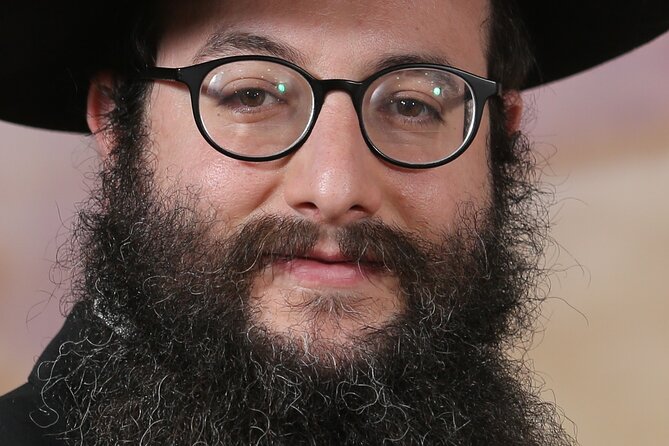
Safed is the place to study Kabbalah on foot. This 90-minute walk links the city’s old lanes and sacred sites with the teachings of Rabbi Moshe Cordovero, the Alkabetz, the Holy Ari, and Rabbi Yosef Karo. Rabbi Shmuel Kopel leads the visit as a Talmudic scholar, so you get more than a quick look at old stone buildings.
I like the small maximum group of 15, which gives you room to ask questions. I also like the way the walk connects mystical ideas with practical Jewish life, especially through Rabbi Yosef Karo and his Shulchan Aruch. The main consideration is the price, $45 per person, for a short tour, and the published timing should be confirmed because one schedule line differs from the wider operating hours.
Key points to know before you book
- Safed is the real focus: The walk takes place in Zefat, also spelled Safed, one of Judaism’s four sacred cities.
- Rabbi Shmuel Kopel leads the tour: You explore with a Talmudic scholar who can explain both Kabbalah and its place in Jewish practice.
- Major Kabbalists shape the route: Expect discussion of Moshe Cordovero, the Alkabetz, Isaac Luria, and their influence.
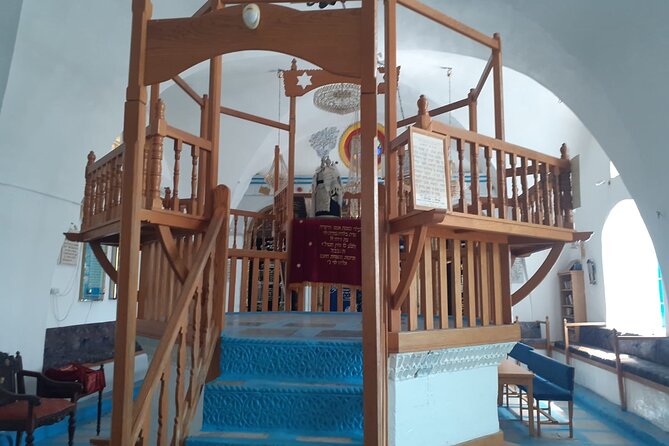
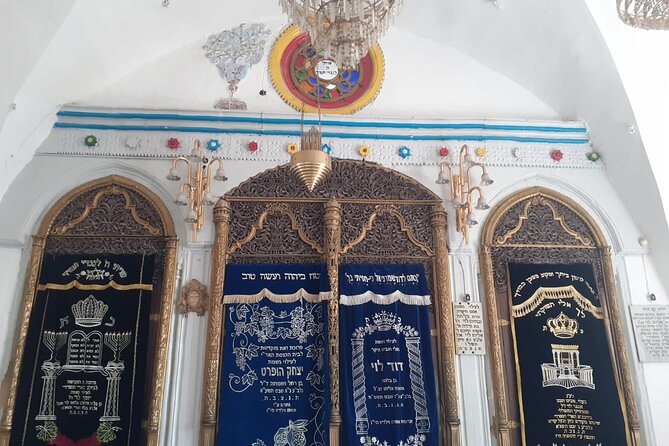
- Historic synagogues are part of the experience: The walk visits several synagogues tied to important rabbis and prayer traditions.
- The group stays small: A maximum of 15 people makes questions and conversation more practical.
- Plan around the clock: The usual start is 1:30 PM Sunday through Thursday and 11 AM Friday, with other times possible by advance arrangement.
Why Safed is the right place for a Kabbalah walk
Kabbalah is often presented as mysterious or secretive, but Safed gives those ideas a physical setting. In the 16th century, the city became the main center for Kabbalistic teaching. Its rabbis developed ideas that later shaped Jewish prayer, custom, and spiritual practice far beyond northern Israel.
That setting matters. Instead of trying to understand Kabbalah only through abstract terms, you move from site to site and hear how particular sages taught. The city becomes a kind of open-air classroom, with old synagogues and sacred places providing the reference points.
I would not choose this walk simply to tick off Safed’s main sights. The value comes from the connection between a place and a teaching. If you want a standard old-city tour with broad coverage of architecture, food, and art galleries, this will feel focused. If you want to understand why Safed matters to Jewish thought, the narrow subject is its strength.
The tour also places Safed within a larger Jewish story. The city is one of the four sacred cities of Judaism, and its importance is not limited to Kabbalah. Rabbi Yosef Karo lived and taught here, and he wrote the Shulchan Aruch, the most authoritative guide to Jewish religious law. That gives the walk a useful balance: Safed was home not only to mystics, but also to a scholar whose legal work still guides Jewish practice.
more Israel days to consider
- Jerusalem Yad Vashem Holocaust History Museum Tour
★ 5.0 · 98 reviews - Jerusalem Christian Heritage Private Tour
★ 5.0 · 9 reviews - Full-Day Private Luxury and Cultural Tour in Tel Aviv
★ 5.0 · 5 reviews
Meeting at Kikar HaMeginim in Safed
The walk begins at Kikar HaMeginim in Safed and returns to the same meeting point. That simple out-and-back arrangement is helpful if you are building a day around the old city. You do not need to arrange a separate pickup at the end, and you can continue exploring Safed afterward.
The experience is on foot, so wear shoes suited to old-city streets. The supplied details do not describe the exact route surface or the number of stairs, so you should ask for current route information if walking conditions are a concern. Most people can participate, and service animals are allowed. The meeting point is near public transportation.
The published schedule gives one departure daily from Sunday through Thursday at 1:30 PM, with a Friday departure at 11 AM. Other times can be arranged in advance if available. One separate opening-hours entry lists Monday from 1:30 PM to 2:30 PM, which does not match the stated 90-minute duration. I would confirm the exact start and finish time before paying, particularly if you are connecting this walk with a bus, meal, or another booking.
Meeting the sages of 16th-century Safed
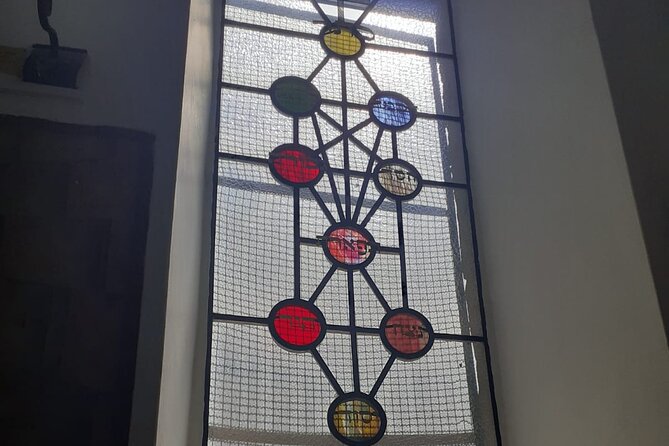
The route visits sites linked to major Kabbalists. The most important names are Rabbi Moshe Cordovero, the Alkabetz, and Rabbi Isaac Luria, known as the Holy Ari. Each gives you a different doorway into Safed’s religious past.
Rabbi Moshe Cordovero was one of the leading Kabbalistic teachers in the city. At his site, the guide explains the ideas associated with his teaching and how they fit into the wider development of Jewish mysticism. You are not simply hearing a list of names. The point is to understand how the teachings of one sage relate to the practices and beliefs that followed.
The Alkabetz is another important figure on the route. The supplied details do not specify the exact lesson presented at his site, so the guide’s explanation will matter here. This is one reason a specialist guide is useful. A plaque can give you a name and a date, but it cannot answer the natural follow-up questions about what the person taught or why the site remains important.
The Holy Ari, Isaac Luria, is perhaps the best-known Kabbalist associated with Safed. His influence reaches into prayer and religious custom, and his name is central to the city’s reputation as a Kabbalah capital. At a site connected with him, you can expect the guide to explain his role in Safed and the practical effect of his ideas.
The tour does not treat Kabbalah as a sealed subject reserved for specialists. You are encouraged to ask questions. That makes the experience more useful for a first-time learner, since you can pause over terms or ideas that might otherwise pass too quickly.
Historic synagogues and the city’s sacred identity
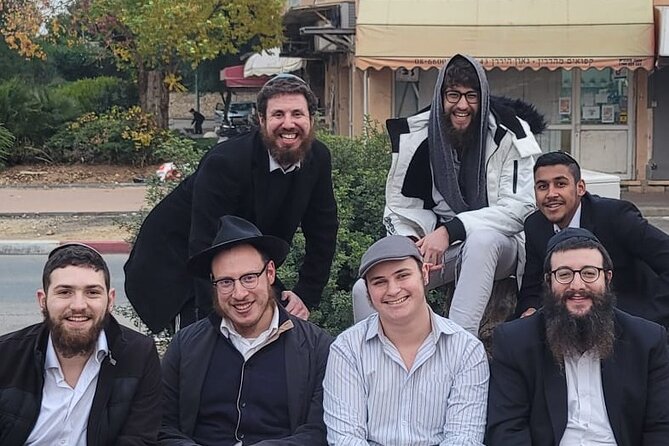
The walk also includes several historic synagogues. Their importance is not only architectural. You learn which rabbis prayed in them and how these places fit into Safed’s religious life.
That distinction is worth keeping in mind. A short walk cannot explain every corner of the old city, and the focus here is not on a complete survey of Safed’s buildings. Instead, the synagogues act as anchors for the story. You see a place, hear about the rabbi connected with it, and learn how prayer and teaching shaped the city.
The synagogues also help explain why Safed is considered one of Judaism’s four sacred cities. This is a useful part of the experience even if you arrive with little interest in mysticism. The tour places Kabbalah within the everyday religious life of a Jewish community, rather than treating it as an isolated set of mysterious ideas.
I like this balance. You get the names and concepts that draw people to Safed, but you also get a clearer sense of the city as a place where people prayed, studied, and developed rules for daily life.
more walking tours in Israel
- Jerusalem: Guided Walking Tour of the Old City
★ 4.7 · 386 reviews - Walking Tour of Akko (Half-day)
★ 5.0 · 84 reviews - All Inclusive Walking Tour Old City Jerusalem
★ 5.0 · 83 reviews - Tel Aviv: Jaffa Half-Day Walking Tour
★ 4.5 · 70 reviews
From mystical teaching to modern Jewish practice
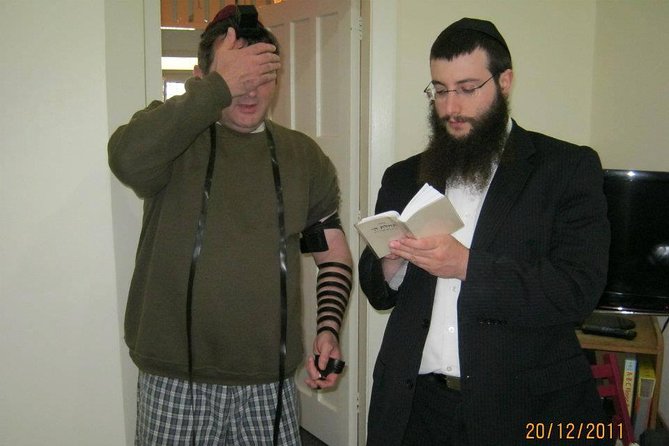
One of the walk’s strongest ideas is that Kabbalah did not remain only in the study house. The guide explains how the teachings of Safed’s rabbis affected Judaism around the world and how they continue to shape practice.
Rabbi Yosef Karo provides a useful comparison. His Shulchan Aruch is a major work of Jewish religious law, so his influence is direct and practical. The Kabbalists, meanwhile, shaped spiritual customs, prayer traditions, and ways of thinking about religious life. Hearing about both sides shows you that Safed’s influence was broad.
This is where the tour can be especially helpful for people who have heard the word Kabbalah but know little about its place in Judaism. You do not need to arrive with a background in Talmud or Jewish philosophy. The format gives you a chance to ask basic questions and then follow the discussion as far as your interest takes you.
I would still keep your expectations measured. A 90-minute walk can introduce the main figures and ideas, but it cannot provide a full course in Kabbalah. Think of it as a guided introduction tied to real places. If one subject catches your attention, you may want to continue studying on your own afterward.
What the small group adds
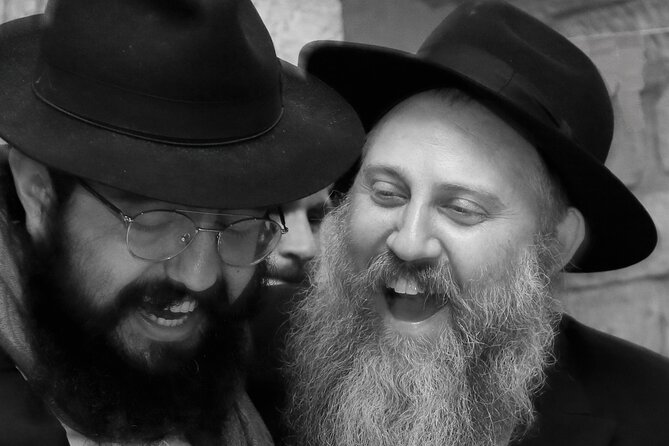
The maximum group size is 15 people. That is small enough to make a real difference on a subject that depends on questions and explanation.
In a large group, a guide has to keep moving and simplify every answer. Here, you have a better chance to ask about a rabbi, a synagogue, or a point of doctrine that interests you. The experience provider, Rabbi Shmuel Kopel, leads the walk as a Talmudic scholar who has studied and drawn inspiration from these teachings.
A previous experience with Rabbi Shmuel included careful explanations of Safed, the city’s place among the four sacred cities, Kabbalah, and the rabbis connected with the city. That gives you a good sense of the tour’s likely tone: patient, instructional, and open to questions rather than rushed from one photo stop to the next.
Small group does not mean private tour. You will still share the guide with other people, and the exact amount of personal attention depends on the group. Still, 15 is a reasonable ceiling for a walking discussion, especially when the topic is detailed.
Group discounts are available, which can improve the price for families or friends booking together. The standard cost is $45 per person. No admission fees, meals, or transportation are listed as part of the experience, so judge the price mainly as payment for the guide’s time and subject expertise.
Is $45 a fair price for 90 minutes?
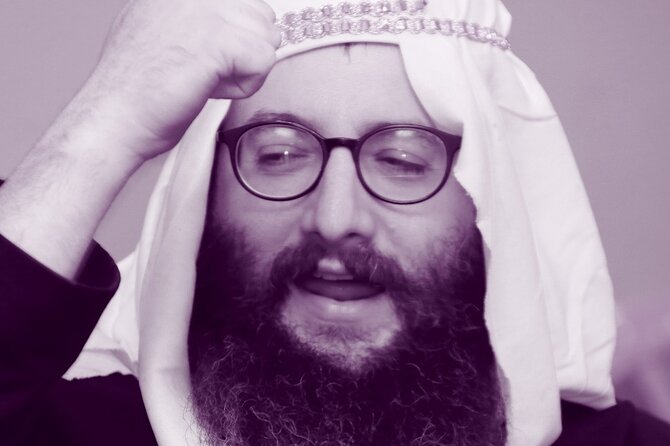
At $45, this is not the cheapest way to spend an hour and a half in Safed. You can walk through parts of the old city without paying for a guide. The question is what you want from the visit.
If you only want to see the lanes and historic synagogues, the price may feel high. If you want someone to explain the people connected with those places, answer questions, and show how Kabbalistic teaching affected Jewish life, the cost is easier to justify.
The small group helps the value. So does the specialist subject. You are paying for interpretation, not just movement from one building to another. That distinction is important in Safed, where the meaning of a site may not be obvious from its exterior.
I would rate the tour as better value for people who already have some interest in Jewish history, religion, or mysticism. It can also work well for families with older children who are ready to listen and ask questions. People who want a quick, low-cost sightseeing walk should consider the price carefully.
Who should book this walk?
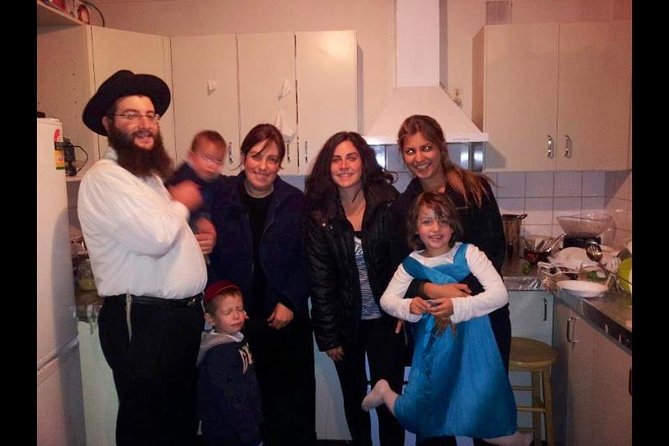
You should book if you want a focused introduction to Kabbalah in the city most closely linked with its 16th-century development. It is also a strong choice if you prefer learning from a religious scholar rather than taking a general city tour.
The walk suits:
- First-time visitors to Safed who want context for the old city
- People curious about Kabbalah but unsure where to begin
- Those interested in the Holy Ari, Moshe Cordovero, the Alkabetz, or Rabbi Yosef Karo
- Visitors who value questions and conversation
- Families or friends who can use the group discount
- Anyone who wants to visit historic synagogues with an explanation of their religious importance
It may not suit you if you need a long tour, a broad sightseeing route, or a detailed architectural survey. The experience is short and specialized. You are there to follow the religious story of Safed, not to cover every attraction.
The afternoon departure from Sunday through Thursday can fit well after a morning in the Galilee. The Friday start at 11 AM may be useful for people planning around the Jewish Sabbath, but confirm the precise schedule before booking. Since the tour begins and ends at Kikar HaMeginim, you can arrange your own onward plans in Safed.
Booking, cancellation, and practical details
You receive confirmation at booking, and free cancellation is available up to 24 hours before the start time. Cancel later than that and the payment is not refunded. Changes made within 24 hours are not accepted, with cut-off times based on local time.
The experience is booked, on average, 17 days ahead. That does not guarantee that every date sells out, but it is a useful planning signal. If the walk is important to your day in Safed, booking early makes sense, particularly if you want a specific departure or are traveling with a group.
The supplied location information names Tiberias, while the meeting point and walking route are in Safed. Since the tour itself takes place in Safed, check the map and meeting instructions carefully before you set out. Do not assume transportation from Tiberias is included, because no transfer is listed.
My call: book it for meaning, not just sightseeing
I would book the Kabbalah Heritage Walk if I wanted Safed to make sense. Rabbi Shmuel Kopel’s role, the small group, the historic synagogues, and the focus on major sages give the short tour a clear purpose.
At $45, the experience asks you to value explanation over simple sightseeing. That is fair if Kabbalah, Jewish law, or Safed’s sacred identity interests you. If your priority is a cheap stroll or a broad old-city overview, spend your money elsewhere and explore on your own.
For the right visitor, this is a compact and thoughtful way to meet Safed’s rabbis through the places where they taught and prayed. Confirm the time, arrive at Kikar HaMeginim, and bring your questions.
FAQ
Where does the Kabbalah Heritage Walk take place?
The walk takes place in Safed, also known as Zefat, and starts and ends at Kikar HaMeginim.
How long does the tour last?
The tour lasts approximately 1 hour and 30 minutes.
What time does the walk start?
It operates once daily from Sunday through Thursday at 1:30 PM and on Friday at 11 AM. Other times may be arranged in advance, subject to availability.
Who leads the experience?
Rabbi Shmuel Kopel leads the walk. He is identified as the experience provider and as a Talmudic scholar.
How many people can join the tour?
The maximum group size is 15 people. Group discounts are available.
Can I cancel for a full refund?
Yes. You can cancel up to 24 hours before the start time for a full refund. Cancellations or changes made less than 24 hours before the experience are not accepted for a refund.
Recently added around Israel
- Holy Jerusalem Full Day Tour from Jerusalem★ 5.0 · 3 reviews
- Jaffa Flea Market Tasting Tour★ 5.0 · 3 reviews
- Half day tour bethlehem prices per Van up to 6 pax★ 5.0 · 3 reviews
- Early Christianity in Galilee Private Tour★ 4.5 · 3 reviews
- Petra and Wadi Rum 2 day Tour from Eilat★ 5.0 · 3 reviews
- Petra & Wadi Rum 3 Days 2 Tour Nights from Eilat border★ 5.0 · 3 reviews
- Privet walking tour in Tel Aviv-Yafo★ 5.0 · 3 reviews
- Bar Crawl tour with local in Tel-Aviv★ 5.0 · 3 reviews
Galilee Tours, compared.
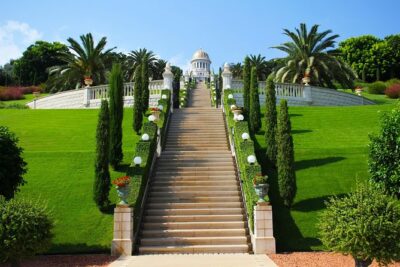
Haifa Shore Excursion: Nazareth and the Galilee – for cruise ship guests only
Read our review →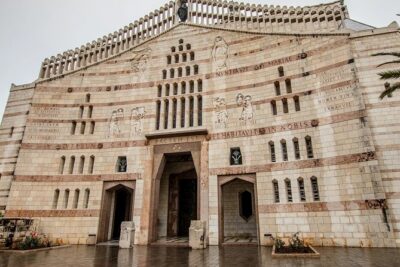
Private Excursion to Nazareth Tiberias and the Sea of Galilee
Read our review →

Browse the lists this tour appears in