
Reviewed · GALILEE TOURS
Galilean Cooking Workshop 2-4 particpants
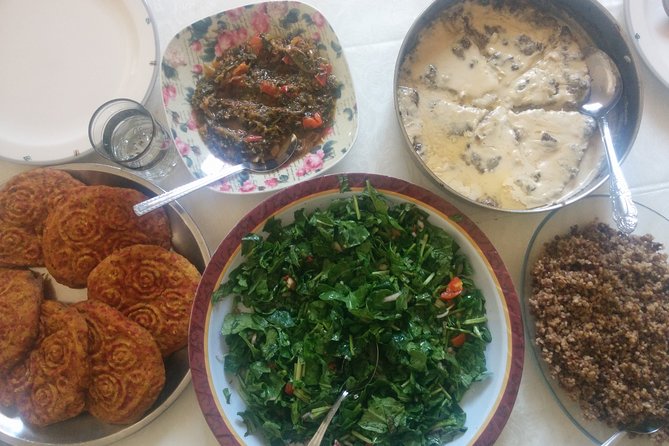
Galilean cooking is at its best when the kitchen is also a doorway into village life. In this private workshop, you meet a Druze family, learn about their beliefs and customs, then cook a seasonal lunch with local ingredients such as wild greens, smoked green wheat, and regional vegetables.
I like the hands-on format, since you do not just watch a demonstration. I also like the shared meal at the family table, with dishes such as makluba, hubeza, and sinya. The main drawback is the price: at $410 per person, this is a serious splurge, especially since the listed information also requires a minimum of four people per booking.
Key points
- Cook for about 1.5 hours: You work in the family kitchen rather than simply observing.
- Meet a Druze family: The visit includes introductions and an explanation of Druze beliefs and culture.
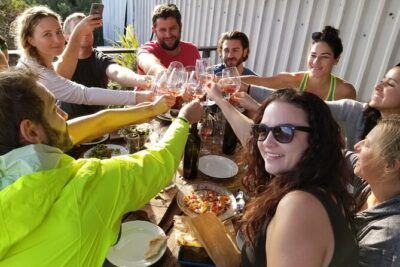
- Eat what you prepare: Lunch is served around the family table after the cooking session.
- Taste unusual local ingredients: Wild greens, smoked green wheat, and seasonal vegetables shape the menu.
- Private small-group setting: Only your group participates, with a minimum of four people per booking.
- Paul may assist with context: He is noted for helping with translation and adding history to the visit.
A Galilean kitchen near Karmiel
The workshop begins at 11:00 am in Karmiel, in northern Israel. The experience is described as taking place in a village near Haifa, while the practical meeting point is Karmiel, so check your route carefully before booking.
That location matters. This is not a city food tour with several quick stops. You go to a local home, meet the family, and spend time in one kitchen. The setting gives the meal a personal face. You are not only learning how a dish is made. You are learning who makes it, what the ingredients mean locally, and how food fits into family life.
The experience lasts about three hours. That is long enough for a proper introduction, a substantial cooking session, and lunch, but short enough to fit into a larger northern Israel itinerary. The day ends back at the meeting point in Karmiel.
Transportation beyond the stated meeting point is not described, so you should plan how you will reach Karmiel yourself unless a separate arrangement has been made. The listing includes a mobile ticket, taxes, fuel surcharges, and service fees, but do not assume that those details mean hotel pickup.
Other Israel days travellers combine with this one:
- From Tel Aviv: Masada & Dead Sea Full Day Tour with Pick Up
★ 4.5 · 1,496 reviews - From Tel Aviv: Jerusalem and Bethlehem Guided Day Trip
★ 4.3 · 1,316 reviews - Masada and the Dead Sea Day Trip from Tel Aviv
★ 4.5 · 1,014 reviews
Meeting a Druze family and learning the basics
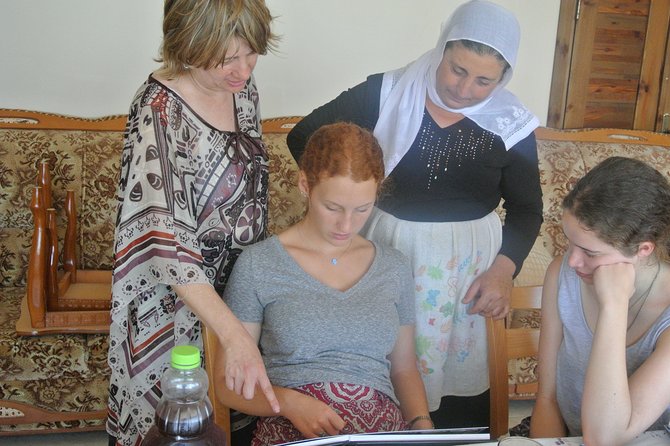
Your first stage is a welcome from the Druze family. You receive introductions and an explanation of Druze beliefs and culture before moving into the kitchen.
This opening is important. It gives the cooking a human setting instead of treating local food as a collection of exotic dishes. You have a chance to understand the household hosting you and to ask questions before the practical work begins.
A traditional coffee is also part of the welcome. It is a small detail, but it sets the pace. This is a social visit as much as a cooking class, and the coffee gives you time to settle in and meet your hosts.
Paul is specifically noted as helping with translation and providing historical background. That can make a real difference in a family setting, where conversation may otherwise be limited by language. The supplied information does not state whether Paul leads every departure, so you should treat his participation as something to confirm when booking.
The cultural introduction is likely to be most rewarding if you arrive ready to listen. Ask about the customs and beliefs that are discussed, but remember that you are entering a private home. The best approach is respectful curiosity, not a rapid list of questions.
Preparing a seasonal Galilean lunch
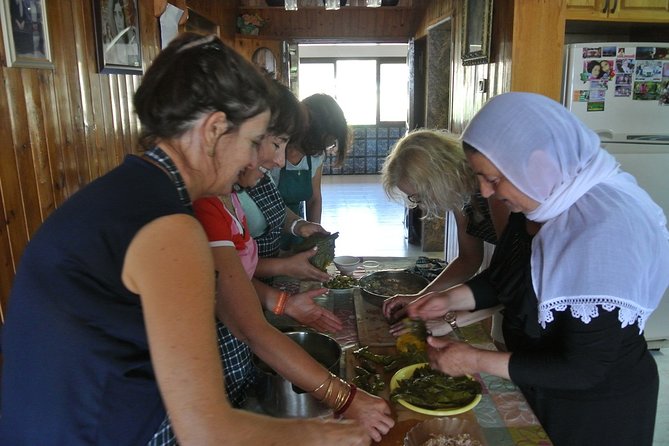
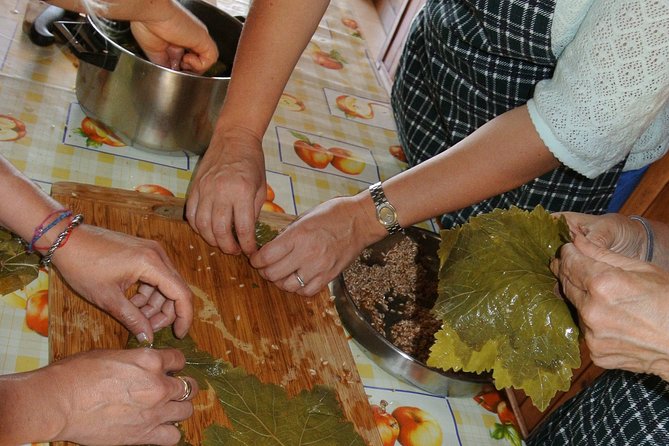
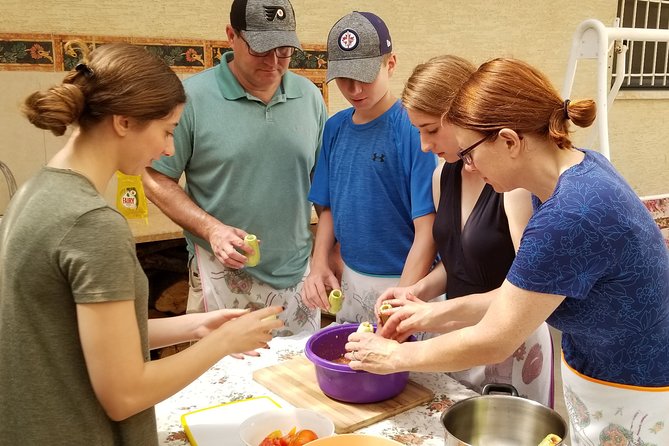
The cooking portion lasts about 1.5 hours. You work hands-on with the family and use the equipment provided, so you do not need to bring cooking tools.
The menu is seasonal rather than fixed. That is a strength for a food experience, because the dishes can reflect what is available in the region at the time of your visit. It also means you should not book expecting one exact menu every time.
Possible local favorites include makluba, hubeza, and sinya. Makluba is a layered rice dish traditionally turned out before serving. Hubeza refers to mallow, a leafy plant used as food in the region. Sinya is a baked dish associated with Levantine cooking. The exact recipes and menu can vary, but these examples give you a useful sense of the kitchen’s direction.
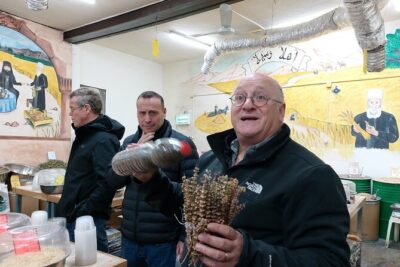
The ingredients also set this apart from a standard restaurant meal. Wild greens, smoked green wheat, and regional vegetables bring local character to the cooking. You may find the flavors less familiar than the hummus and grilled meats served on many tourist menus, which is part of the appeal.
The class is not described as a formal professional cooking course. You should expect participation, explanation, and shared work rather than technical training aimed at restaurant cooks. If you enjoy learning by chopping, mixing, shaping, and preparing food with other people, the format should suit you well.
Families are a particularly good match. Children can take part in a real meal-making activity, and the private format means your group does not have to keep pace with strangers. Still, the listing does not provide a child age range or specific accessibility details, so ask before booking if either matters to you.
From kitchen work to the family table
After the cooking, you sit down and eat the meal you helped prepare. This is the natural payoff of the workshop, and it gives the three-hour visit a clear rhythm: welcome, cultural introduction, cooking, then lunch.
I like this arrangement more than a class where the food is packed away at the end. Sharing the meal lets you continue talking with the family and gives you time to taste the dishes properly. You can compare the finished food with what you expected from the ingredients and cooking process.
The meal is included in the price. A vegetarian option is available, but you must request it when booking. You should also report any other dietary requirements at that time. The information does not specify whether every allergy or restriction can be accommodated, so be precise and wait for confirmation rather than assuming.
Because the menu is seasonal, the meal may be a better introduction to regional home cooking than a set restaurant order. You see the ingredients before they reach the table and understand the work behind them. That connection is the heart of the experience.
more Israel days to consider
- Private Silk Wall Hanging Painting Workshop in Jerusalem
★ 5.0 · 11 reviews - Professional Surfing lessons in the heart of Tel Aviv
★ 5.0 · 11 reviews - Tel Aviv: Professional Surfing Lessons at Beach Club TLV
★ 3.3 · 5 reviews - Private Silk Painting Workshop in Jerusalem – Create a scarf –
★ 5.0 · 4 reviews
What the private format changes
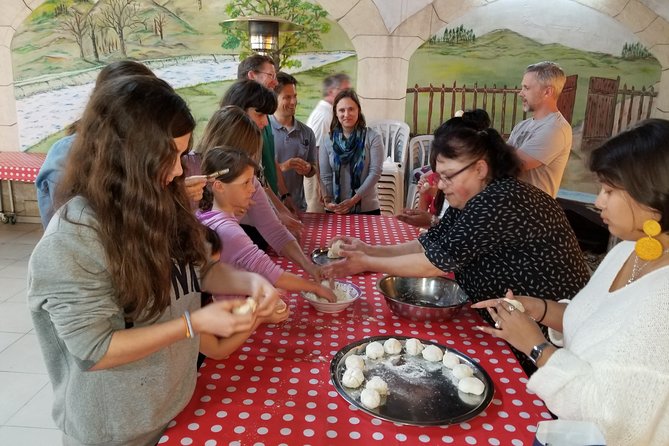
This is a private activity, so only your group participates. That is useful for families, couples traveling with friends, or anyone who prefers a quieter visit. You can ask questions at your own pace, and the hosts can focus on your group rather than managing a large class.
There is one important booking detail: the additional information states that a minimum of four people per booking is required. The tour summary describes the experience as being for two to four participants, which is inconsistent with that minimum. If you are a group of two or three, contact Galileat before paying and ask whether the departure can operate for your party.
The small-group setup also affects the cost. At $410 per person, a group of four would pay $1,640 before considering any group discount. That is a high price for a three-hour activity, but the comparison should not be made only against a restaurant lunch.
You are paying for a private cultural visit, a local guide, equipment, instruction, lunch, and direct time with a family. You also avoid the rushed feeling of a large group class. For a special occasion or a family seeking personal contact, that may justify the price. For anyone mainly looking for an inexpensive meal or a basic cooking lesson, it probably will not.
Group discounts are listed, but no discount amount is provided. Ask for the exact total before booking, especially if your group has four or more participants.
The role of translation and local context
A cooking class can lose much of its value when the conversation is limited. Here, Paul is credited with helping with translation and adding history, which should make the family visit easier to follow.
That support is useful in two ways. First, it helps with the practical side of cooking, such as understanding instructions and ingredient names. Second, it gives context to the cultural discussion, so the introduction to Druze beliefs and village life is not reduced to a few disconnected facts.
The supplied information does not give a full profile of the family or list the languages spoken. It also does not promise that Paul will be present on every booking. If translation is important to you, confirm how communication will work for your date.
The strongest part of the visit is likely to be the exchange with the hosts. The cooking gives you a reason to spend time together, while the meal creates a relaxed setting for more conversation. You should allow yourself to enjoy the social side rather than treating the kitchen as a race to finish each dish.
Timing, meeting point, and planning advice
Plan for a start at 11:00 am and roughly three hours in total. Since lunch follows the cooking session, this is essentially a late-morning and midday activity.
The official start point is Karmiel, and the activity ends there. The experience is also described as being in a village near Haifa, so the location wording covers a wider area than the meeting point alone. Check the exact directions supplied after booking and leave enough time to reach Karmiel.
Confirmation is provided at the time of booking. The activity accepts a mobile ticket, which makes it easy to keep the booking details on your phone.
Wear practical clothing for a kitchen visit. The tour information does not state a dress code, so I would avoid anything you would worry about around food preparation. More important, arrive ready for a working session, not just a seated tasting.
The workshop includes all necessary equipment, lunch, and a local guide. Taxes, fuel surcharges, and service fees are included in the advertised price. Those inclusions reduce the chance of surprise charges, but they do not clarify transport to the meeting point.
Who will get the most from this workshop
I would recommend this for people who value contact with local families more than a packed sightseeing schedule. The cultural welcome, coffee, kitchen work, and shared meal create a personal visit rather than a simple food demonstration.
It is especially well suited to:
- Families who want a private activity with a meal included
- Small groups interested in Druze culture and local village life
- Food lovers who enjoy seasonal and lesser-known ingredients
- Visitors who want a northern Israel experience near Karmiel
- Anyone comfortable paying more for a private host-led visit
It may be a poor fit if you want a fixed menu, a low-cost activity, or a class focused on advanced culinary technique. It may also be inconvenient if your itinerary is centered far from Karmiel and you do not have a clear plan for reaching the meeting point.
The perfect group size is not fully clear because the information gives both a two-to-four participant description and a four-person minimum. Clarify that point before booking. If the operator confirms four participants are required, you will need a group large enough to meet the rule.
Cancellation and dietary details
Free cancellation is available if you cancel at least 24 hours before the local start time. A cancellation made less than 24 hours before the experience does not qualify for a refund, and changes made inside that period are not accepted.
Dietary needs and vegetarian requests must be given at booking. This is particularly important for a seasonal family meal, since the hosts may need to adjust the menu in advance.
The experience has a five-star rating and a 100 percent recommendation rate across 27 reviews. The most strongly praised qualities are the warm welcome, the sense of being included in family life, and Paul’s help with translation and history. Those points matter more here than a polished kitchen or a long list of dishes.
Should you book the Galilean Cooking Workshop?
Book it if you want a private, personal food experience and can accept the high price. The best reason to go is not simply to learn makluba or eat lunch. It is to spend a few hours with a Druze family, cook together, and gain a direct view of village hospitality and culture.
Skip it if your main goal is value in the narrow sense of getting the most food for your money. A $410 per person price is difficult to justify for a three-hour activity unless the cultural contact and private format are central to your plans.
Before booking, confirm the exact meeting directions, the minimum group size, whether Paul will assist with your departure, and any dietary arrangements. If those details work for you, this offers a warm and unusual way to connect food with northern Israel’s people and traditions.
FAQ
Where does the Galilean Cooking Workshop start?
The activity starts in Karmiel, Israel, at 11:00 am. The experience is described as taking place in a village near Haifa.
Where does the activity end?
The activity ends back at the meeting point in Karmiel.
How long does the workshop last?
The experience lasts approximately three hours. About 1.5 hours are spent cooking before the group sits down for lunch.
What is included in the price?
The price includes lunch, a local guide, all necessary equipment, taxes, fuel surcharges, and service fees.
Is this a private activity?
Yes. Only your group participates in the activity.
How many people are required to book?
The additional information states that a minimum of four people per booking is required. The tour summary describes the experience as being for two to four participants, so confirm the current group requirement with the provider.
Is a vegetarian meal available?
Yes. A vegetarian option is available, but you must request it when booking.
Can I provide dietary requirements?
Yes. You should advise Galileat of any specific dietary requirements at the time of booking.
What is the cancellation policy?
You can cancel at least 24 hours before the local start time for a full refund. Cancellations or changes made less than 24 hours before the start time are not accepted for a refund.
Recently added around Israel
- Holy Jerusalem Full Day Tour from Jerusalem★ 5.0 · 3 reviews
- Jaffa Flea Market Tasting Tour★ 5.0 · 3 reviews
- Half day tour bethlehem prices per Van up to 6 pax★ 5.0 · 3 reviews
- Early Christianity in Galilee Private Tour★ 4.5 · 3 reviews
- Petra and Wadi Rum 2 day Tour from Eilat★ 5.0 · 3 reviews
- Petra & Wadi Rum 3 Days 2 Tour Nights from Eilat border★ 5.0 · 3 reviews
- Privet walking tour in Tel Aviv-Yafo★ 5.0 · 3 reviews
- Bar Crawl tour with local in Tel-Aviv★ 5.0 · 3 reviews
Galilee Tours, compared.
Haifa Shore Excursion: Nazareth and the Galilee – for cruise ship guests only
Read our review →
Private Excursion to Nazareth Tiberias and the Sea of Galilee
Read our review →

Browse the lists this tour appears in