
Reviewed · JERUSALEM TOURS
West Bank Tour from Jerusalem
The most striking part of this West Bank tour from Jerusalem is its range. In one long day, you move from modern Ramallah to ancient Jericho, the Jordan River baptism site, and Bethlehem’s holiest churches. You also see the separation wall and hear a Palestinian guide explain daily life in the West Bank.
I like the personal guiding, especially when guides such as Kamal, George, or Housam add family stories and clear explanations. I also like the Arabic-style lunch, which gives the day a welcome human and local touch. The tradeoff is time: four major stops in roughly 10 hours means some visits feel hurried, and Jericho may receive less attention than you expect.
Key points to know before booking
- Four very different stops: Ramallah, Jericho, Qasr al-Yahud, and Bethlehem each show a separate side of the West Bank.
- Strong Palestinian perspective: Guides explain local life and the Israeli-Palestinian conflict from personal experience, though some commentary may feel one-sided.
- Bethlehem is the main event: The Church of the Nativity, Manger Square, the Milk Grotto, markets, and wall art fill the final three hours.
- Lunch is included: Expect an Arabic-style meal at a local restaurant or, in some cases, a guide’s family home.
- Long and tightly planned: The tour begins at 7:30 a.m., lasts about 10 hours, and may include a group of up to 34 people.
- Bring the right documents and clothes: You need your original passport, comfortable shoes, sun protection, water, and clothing suitable for sacred sites.
What this West Bank day actually gives you
At $130 per person, this is not a cheap sightseeing outing, but it covers air-conditioned transport, a local guide, and lunch across a wide area. Hiring separate transport for Ramallah, Jericho, the Jordan River, and Bethlehem would be awkward and costly, so the price makes sense if you want several places in one day.
You do need to accept the format. This is a survey tour, not a slow archaeological visit. You will collect impressions, religious sites, political context, and a few strong visual memories. If you want long stretches of quiet exploration, this schedule will feel too packed.
The pickup point is at Abraham Jerusalem, Ha-Nevi’im Street 67, in Jerusalem’s New City. Be there for the 7:30 a.m. start, since the day has a lot of ground to cover. The vehicle is an air-conditioned minivan, with a maximum group size of 34. That is manageable, though a full vehicle can make walking tours and group movement less nimble.
The route and order can change. Local conditions, special events, or access restrictions may lead your guide to rearrange the day. If Ramallah cannot be reached, extra time and added content in Jericho and Bethlehem replace it.
Other Jerusalem days travellers combine with this one:
- From Jerusalem: Masada & Dead Sea Full Day Tour with Pick Up
★ 4.5 · 815 reviews - Masada and the Dead Sea Day Trip from Jerusalem
★ 4.5 · 757 reviews - From Jerusalem: Nazareth and Sea of Galilee Tour
★ 4.5 · 588 reviews
Ramallah: a first look at Palestinian city life
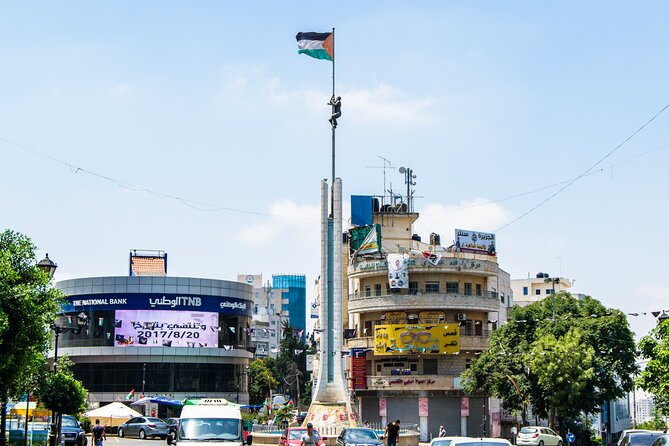
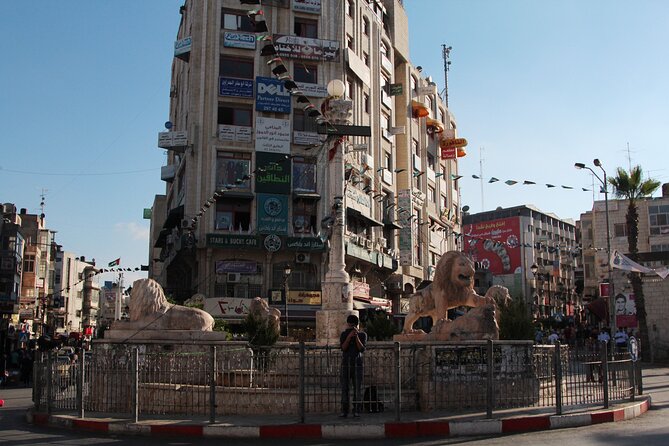
Ramallah is the first stop, with about 90 minutes for walking and a visit to the tomb of Yasser Arafat. The town is presented as the unofficial capital of the West Bank, and it gives you an early look at contemporary Palestinian life rather than only biblical and religious sites.
This is one of the most useful parts of the day because it puts the later ancient sites into a present-day setting. You see streets, shops, and ordinary city life while your guide explains the political and social background. The tour does not treat the West Bank as a collection of ruins. It begins with people living there now.
Arafat’s tomb is a meaningful stop, especially if you want to understand Palestinian politics. Your guide can explain Arafat’s role and why his burial place matters. The visit is not simply a photo stop, so listen carefully to the context around it.
Ninety minutes is enough for an introduction, but not enough for a full city visit. You will walk with the group rather than set off on your own, and the pace may be brisk. Guides such as Kamal have been praised for using questions, humor, and personal stories to keep the history moving. That style can make a large group easier to follow.
The political explanation is a key part of Ramallah, but it is also where you should listen with an open mind. The guiding perspective is Palestinian, and some explanations may feel more focused on Palestinian experiences than on the Israeli position. That is valuable, but you should treat the day as one important viewpoint, not a complete account of a conflict with many competing narratives.
Jericho and the Mount of Temptation
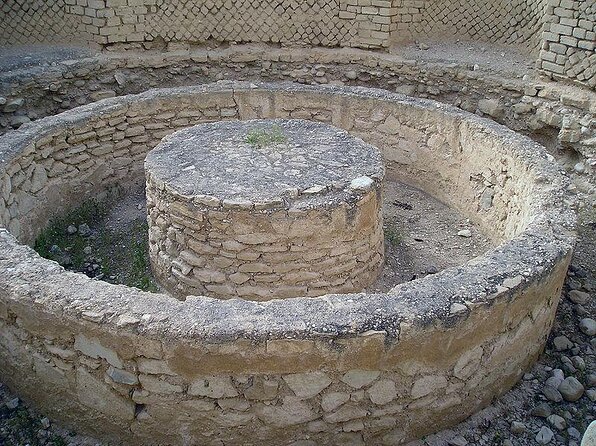
The tour allows about two hours in Jericho, described as the oldest city in the world and a starting point for civilization. That claim reflects the city’s long history of settlement, but the stop is not a full archaeological expedition.
You can expect an introduction to the ruins and archaeological evidence connected with the biblical account of Jericho. The Mount of Temptation is viewed from below, linked to the story of Jesus’ encounter with the Devil. The setting changes sharply from Ramallah, with dry hills and desert scenery along the route.
This is a good place to connect biblical stories with physical geography. You are not only hearing about a name from scripture. You are seeing the area around the ancient settlement and the mountain associated with one of Christianity’s best-known stories.
The main caution is that the Jericho portion may feel less substantial than the stated two hours suggests. The schedule can include a short historical film in a small dark room and a walk around ruins. The cable car and Hisham’s Palace are not part of the described itinerary, so do not book this tour expecting those attractions.
I would choose this day for the overall route rather than for Jericho alone. If ancient archaeology is your top interest, you may want a more focused visit. If you are happy with a concise introduction before moving to the Jordan River and Bethlehem, Jericho fits the day well.
Qasr al-Yahud on the Jordan River
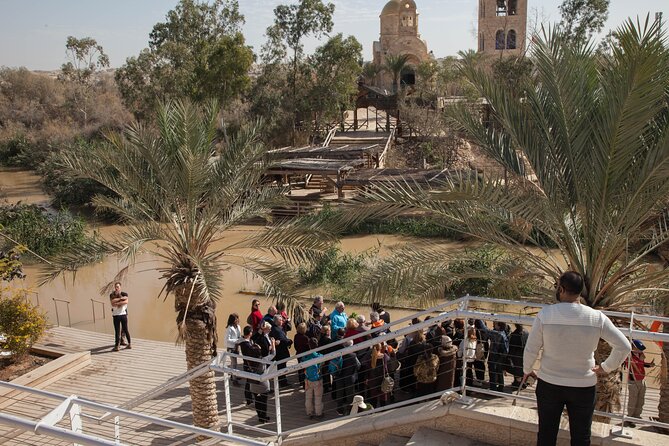
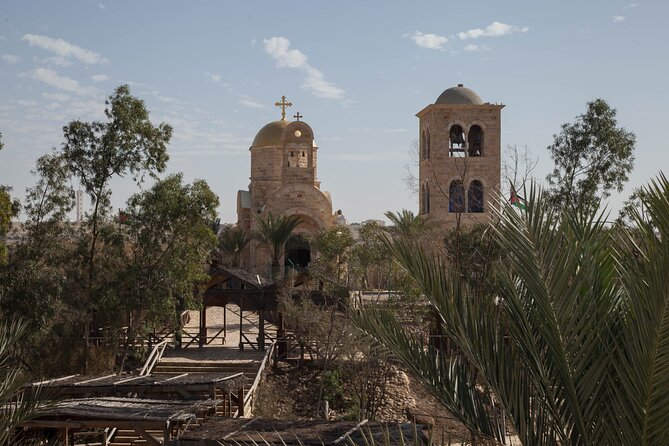
Qasr al-Yahud receives about 45 minutes. This is the baptism site on the Jordan River associated with Jesus and John the Baptist.
The stop is brief, but the religious importance is large. You have time to see the river setting and reflect on why this location draws Christian pilgrims. Some people may dip their feet in the Jordan, as the experience has allowed in the past, but you should not assume that any particular ritual or water access is guaranteed.
The river stop also breaks up the ancient ruins and city walks. After Ramallah and Jericho, the setting feels quieter and more symbolic. Bring water, a hat, and sunscreen, since the day includes outdoor walking and exposed areas. Comfortable shoes matter more than stylish ones.
The baptism site is not a place for a long guided lecture. Your guide will provide the setting and religious context, then the group moves on. That works for a full-day route, but anyone wanting extended time for prayer, photography, or personal reflection may wish for more than 45 minutes.
A different kind of day out of Jerusalem:
- From Jerusalem: Half-Day Bethlehem Guided Tour
★ 4.7 · 568 reviews - Jerusalem/Tel Aviv: Bethlehem, Jericho and Jordan River Tour
★ 4.6 · 526 reviews - From Jerusalem/Tel Aviv: Bethlehem and Dead Sea Day Tour
★ 4.7 · 484 reviews - Nazareth and the Sea of Galilee Day Trip from Jerusalem
★ 4.5 · 446 reviews
Bethlehem, the Church of the Nativity, and Manger Square
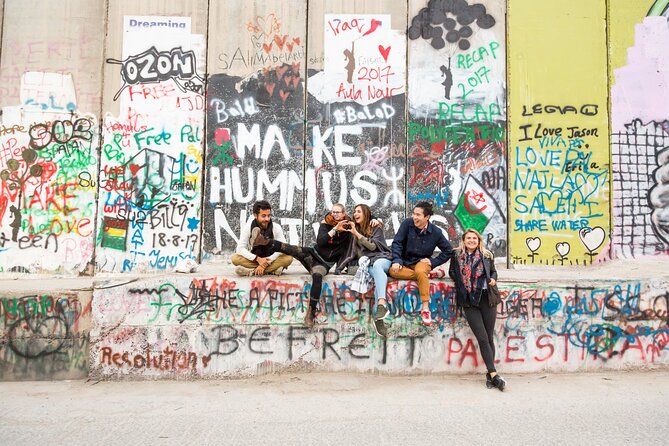
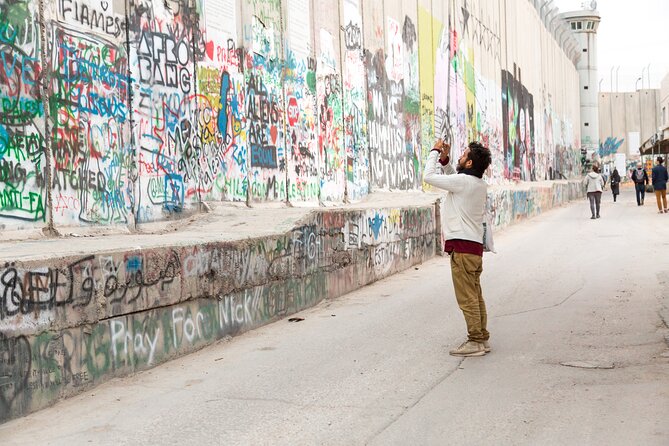
Bethlehem receives about three hours, making it the longest stop and the part most people anticipate. The visit includes the Church of the Nativity, the Grotto, Manger Square, the Mosque of Omar, the Milk Grotto, the Old City market, the separation wall, and Banksy-related graffiti.
The Church of the Nativity is built over the place traditionally identified as the birthplace of Jesus. The Grotto below the church is the central religious focus, though lines can be long. One guide, Housam, was praised for helping the group move more efficiently toward the cave, but you should still expect crowds and a wait that can vary with the day.
Manger Square brings several traditions together. The Church of the Nativity serves Christian pilgrims, while the Mosque of Omar is the oldest and only mosque in Bethlehem’s Old City, according to the tour information. Seeing both in the same square helps you understand that Bethlehem is a living town with more than one religious identity.
The Milk Grotto adds another layer of tradition. It is associated with Mary, Joseph, and the infant Jesus before their flight to Egypt. Christian tradition says a drop of Mary’s milk fell to the ground and turned the stone white. Your guide can explain the story, while the site itself offers a quieter contrast to the crowded Church of the Nativity.
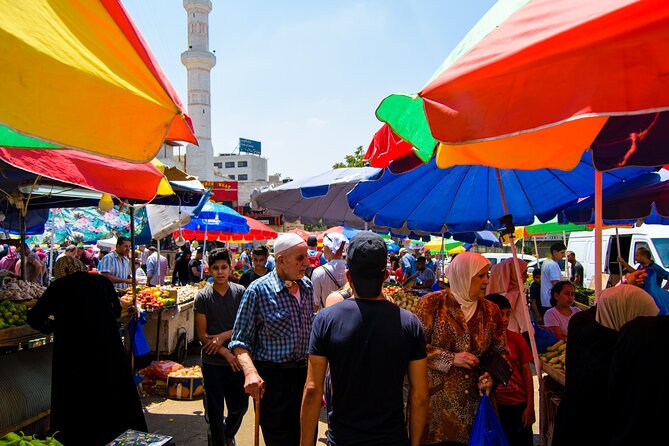
The Old City market is a welcome chance to see Bethlehem beyond its famous shrine. You can walk through colorful streets and observe the commercial side of a pilgrimage town. Since the group has a fixed schedule, this is not the time for an extended shopping session, but it helps you see how religious tourism and daily business share the same streets.
Lunch is part of the Bethlehem visit. The meal is Arabic-style and has been served at a local eatery, with some tours including a home-cooked meal at the guide’s family home. Either way, this is one of the day’s most memorable parts because it offers food and hospitality rather than another viewpoint or lecture.
The included lunch is useful value at $130, especially in an expensive destination. Food and drinks beyond the included meal are not covered, so carry water and budget for anything else you want during the day.
The separation wall and Banksy’s artwork
The wall is one of the most emotionally powerful parts of the tour, but it is also the most divisive. You see the barrier cutting through or around Bethlehem and view colorful graffiti associated with Banksy and other artists.
For some people, this is the moment when the political material becomes physical. The wall is no longer an abstract issue from a newspaper or classroom. You see its scale, its markings, and its effect on the city.
The amount of time spent here can vary. Some visitors have felt that 10 to 15 minutes would be enough, while the schedule has sometimes allowed about 90 minutes around the wall. If political history is central to your reason for booking, that longer stop may be worthwhile. If you came mainly for churches and archaeology, it may feel overlong at the end of a tiring day.
Your guide’s interpretation matters greatly here. The strongest guides, including Kamal, George, and Housam, are described as funny, interactive, thoughtful, and open to questions. Their personal accounts can make the stop far more useful than simply taking pictures of graffiti.
Still, you should remember that the tour is guided from a Palestinian viewpoint. One-sided explanations have been a concern for some people. I would not treat that as a reason to skip the wall, but I would arrive ready to hear one side directly and compare it with other sources before or after your visit.
Guides make or break this experience
The itinerary is demanding, so guiding quality matters more than the size of the minivan or the exact order of the stops. A strong guide keeps a large group moving, explains religious traditions without losing the historical thread, and answers difficult questions without turning every stop into a political speech.
Kamal has been singled out for humor, interaction, and clear explanations. George has been praised for connecting history and culture with everyday life and for managing a group of about 33 people. Housam has been noted for explaining both the background and current situation, as well as helping at the Church of the Nativity.
Guide assignments can change, so you cannot book a particular person. The useful lesson is to choose this tour because it offers local Palestinian guiding, not because one named guide is guaranteed.
I also like that the day can teach more than dates and sites. You may hear about family life, movement through the West Bank, settlements, religion, and the conflict’s effect on ordinary routines. That is the sort of context a standard Jerusalem sightseeing route cannot provide.
Practical clothing, documents, and pace
You must bring your original valid passport. A copy is not accepted for this requirement. Israeli citizens cannot join this tour, even if they also hold another passport.
Wear clothing suitable for sacred places. Sleeveless shirts, shorts, and short skirts should be avoided. A scarf or shawl is specifically required, along with comfortable shoes, a hat, sunscreen, and drinking water.
You make your own way to the meeting point, and the tour returns there at the end. The experience is near public transportation, and most people can participate, but the day includes walking, standing, outdoor heat, and a long vehicle ride. The itinerary does not describe special mobility arrangements, so contact the provider before booking if you have concerns.
The tour normally runs in good weather. If poor weather or low enrollment cancels the outing, you are offered another date or experience, or a full refund. You can cancel for a full refund up to 24 hours before the start time. Changes or cancellations inside that window are not accepted.
Who should book this $130 tour?
I would recommend it to you if this is your first visit to the area and you want a broad introduction in one day. It suits people interested in biblical sites, Palestinian culture, the Israeli-Palestinian conflict, and direct contact with local guides.
It is also a practical choice if you do not want to arrange separate transport across the West Bank. The included lunch, air-conditioned vehicle, and return to Jerusalem make the day simple to organize.
You should think twice if you want a relaxed pace, extensive archaeological detail, or a politically neutral presentation. Jericho is relatively concise, Bethlehem can be crowded, and the wall may receive more time than you prefer. The group may also reach 34 people, which is not ideal for those who prefer private guiding.
FAQ
How long is the West Bank Tour from Jerusalem?
The tour lasts approximately 10 hours. It begins at 7:30 a.m. and ends back at the meeting point in Jerusalem.
Where does the tour begin?
You meet at Abraham Jerusalem, Ha-Nevi’im Street 67, Jerusalem, postal code 9470211.
What places does the tour visit?
The route includes Ramallah, Jericho, Qasr al-Yahud on the Jordan River, and Bethlehem.
Is lunch included?
Yes. An Arabic-style lunch is included. Other food and drinks are not included unless specifically stated.
Do I need my passport?
Yes. You must bring a valid original passport. A copy is not accepted.
Can Israeli citizens join the tour?
No. The tour is not available to Israeli passport holders, even if they hold an additional passport.
What should I wear?
Wear comfortable shoes and clothing suitable for sacred sites. Sleeveless shirts, shorts, and short skirts should be avoided. You should also bring a scarf or shawl.
Is the tour available in all weather?
The tour requires good weather. If poor weather causes cancellation, you are offered another date or a full refund.
What happens if Ramallah cannot be visited?
If access to Ramallah is restricted, the tour includes extra time and additional content in Jericho and Bethlehem.
How many people can join the tour?
The maximum group size is 34 people. Transport is provided in an air-conditioned minivan.
Should you book it?
Book this tour if you want the West Bank explained through its people as well as its monuments. The combination of Ramallah, Jericho, the Jordan River, Bethlehem, an Arabic lunch, and the separation wall gives you far more range than a Bethlehem-only outing.
Go in with realistic expectations. This is a fast, politically engaged overview, not a quiet pilgrimage or specialist archaeology tour. Bring your passport, dress respectfully, expect a long day, and listen carefully to the Palestinian perspective. If that sounds like the kind of education you want from your time around Jerusalem, $130 is a fair price for the ground covered and the access provided.
Recently added around Jerusalem
- Holy Jerusalem Full Day Tour from Jerusalem★ 5.0 · 3 reviews
- Half day tour bethlehem prices per Van up to 6 pax★ 5.0 · 3 reviews
- jerusalem classic tour★ 5.0 · 3 reviews
- Private Walking Tour in Jerusalem’s Old City★ 5.0 · 3 reviews
- Private Tour to the Culinary World of Jerusalem Market★ 5.0 · 3 reviews
- Private Tour Bethlehem and the Dead Sea★ 5.0 · 3 reviews
- From Jerusalem: Masada Sunrise, Ein Gedi & Dead Sea★ 5.0 · 3 reviews
- Jerusalem Like a Local: Customized Private Tour★ 5.0 · 3 reviews
Jerusalem Tours, compared.
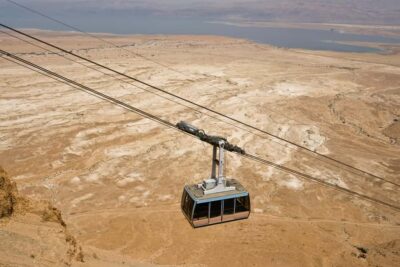
From Jerusalem: Masada & Dead Sea Full Day Tour with Pick Up
Read our review →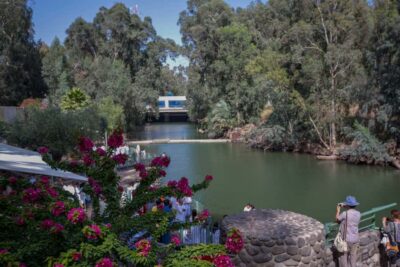
From Jerusalem: Nazareth and Sea of Galilee Tour
Read our review →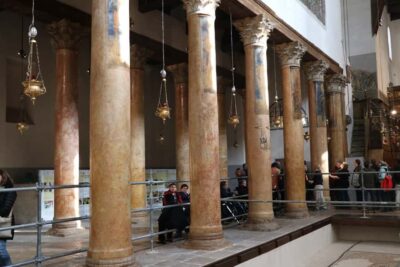
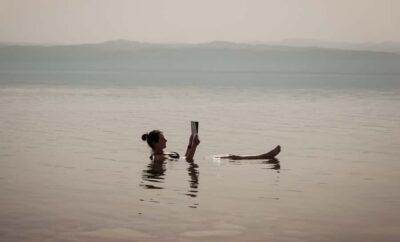
From Jerusalem/Tel Aviv: Bethlehem and Dead Sea Day Tour
Read our review →
Masada, Ein Gedi and The Dead Sea from Jerusalem
Read our review →Browse the lists this tour appears in