
Reviewed · JERUSALEM OLD CITY TOURS
Private Guided Tour in old city Jerusalem
Jerusalem’s Old City packs four faiths, centuries of conflict, sacred buildings, and busy lanes into a walled area you can cross on foot. This private tour gives you a personal guide for the main sights, from Jaffa Gate to the Western Wall, then across the Christian, Armenian, and Muslim quarters.
I like the private format and the chance to set your own pace. I also like that the route includes smaller Jewish Quarter sights, such as the Hurva Synagogue and Four Sephardic Synagogues, rather than stopping only at the famous wall. The main drawback is the uneven guide experience: some guides, including Victoria, have earned especially strong praise, while other visits have felt polite but short on historical detail.
Key points at a glance
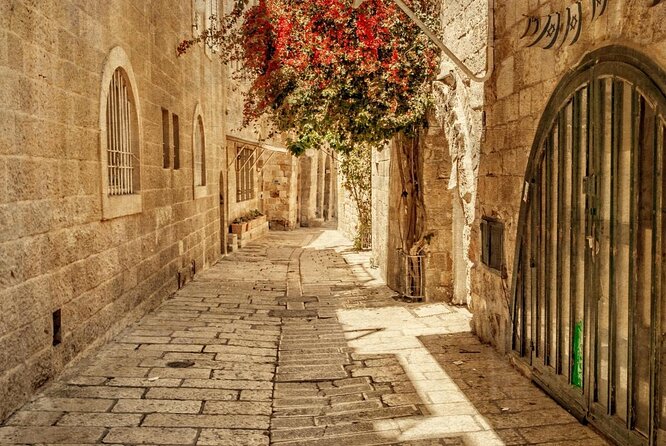
- Four quarters in one half-day: You move through the Jewish, Christian, Armenian, and Muslim sections of the Old City rather than seeing only one religious center.
- Private touring: Your group has the guide to itself, making it easier to ask questions and adjust the pace.
- Strong guide potential: Victoria has been singled out for her English, personal attention, and ability to show familiar places in a fresh way.
- Important sacred sites: The route includes the Western Wall, Holy Sepulchre, Via Dolorosa, and Al Aqsa.
- Food is part of the plan: The tour description includes national food tasting, but snacks are listed separately as not included, so clarify the exact arrangement before booking.
- Plan your transport: Pickup is offered, but transportation from Tel Aviv to Jerusalem is not included.
A fast way to understand Jerusalem’s Old City
If you have only a few hours in Jerusalem, this tour covers the city’s central story with very little wasted motion. You enter through Jaffa Gate, then spend time in the Jewish Quarter before heading to the Western Wall and onward to the Christian, Armenian, and Muslim quarters.
That range is the tour’s main value. Jerusalem is not one single religious site with a few streets around it. The walled city is divided into distinct quarters, each with its own traditions, buildings, and atmosphere. A guide can help you notice those changes as you walk.
The tour lasts about four to five hours. That is enough time for an introduction, but not enough for a slow examination of every church, synagogue, courtyard, and market lane. You should expect a brisk overview with stops at major landmarks, not an all-day study of the Old City.
The private setup matters here. Narrow lanes and sacred sites can feel confusing on your own, especially when several traditions overlap within a short walk. You can ask why a site matters, how it fits into Jewish or Christian practice, and what you are seeing at that moment.
More City Tours in Jerusalem
- Jerusalem: Guided Walking Tour of the Old City
★ 4.7 · 386 reviews - Full Day City Tour of Jerusalem
★ 4.1 · 367 reviews - From Jerusalem Small group tour Old&New City ENTRY FEES INCL
★ 4.0 · 135 reviews
Starting at Jaffa Gate
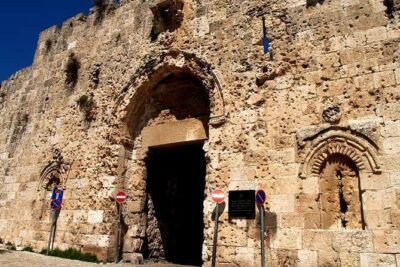
Jaffa Gate is the natural opening point for this route. It is one of the best-known entrances through Jerusalem’s walls and provides a clear beginning for a walk through the Old City.
Your guide uses the gate to place you in the city’s geography before leading you into the Jewish Quarter. That opening is useful because the Old City can feel like a maze, and a little orientation early on makes the rest of the walk easier to follow.
The gate itself is also a worthwhile photo stop. Do not expect a long formal visit here. Its purpose is to get the tour moving and introduce the walls and entry points that shaped access to the historic center.
The Jewish Quarter and its layered landmarks
The Jewish Quarter receives about an hour, making it one of the more substantial sections of the tour. That time allows the guide to explain Jewish customs, local history, and the role of the quarter within the walled city.
The quarter is not simply a route to the Western Wall. It has streets, synagogues, archaeological remains, and restored buildings that help explain how Jewish life developed inside Jerusalem. I like that the itinerary gives attention to two synagogue stops before reaching the wall.
Hurva Synagogue
You have about 20 minutes at Hurva Synagogue. The building is associated with Ashkenazi Jewish worship and has a long, complicated past. Its interior and architecture give the guide a way to discuss the Jewish community and the synagogue’s place in the quarter.
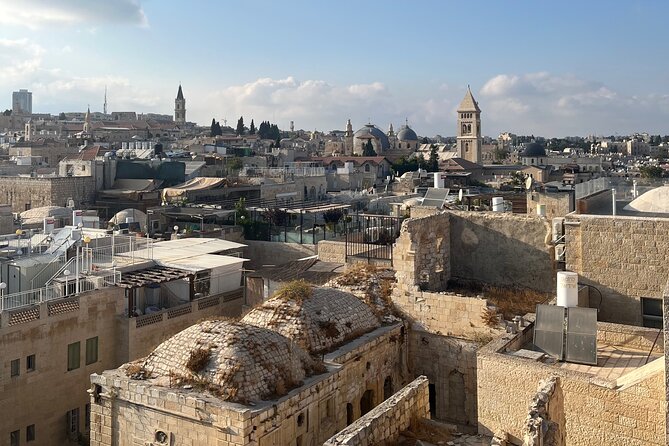
A roof view is listed as one of the highlights. That can be one of the more useful visual moments of the tour, since looking across the Old City helps you understand how tightly packed its quarters are.
The short visit means you will get an introduction rather than a full architectural lecture. Still, the stop adds variety and gives you a better sense of the quarter’s religious life.
more old city quarters to walk
- Best seller! Jerusalem old city four quarters tour
★ 5.0 · 123 reviews - Private Tour Jerusalem Old City
★ 5.0 · 118 reviews - All Inclusive Walking Tour Old City Jerusalem
★ 5.0 · 83 reviews - Jerusalem Half Day Tour: Holy Sepulchre and Western Wall
★ 4.5 · 80 reviews
The Four Sephardic Synagogues
The Four Sephardic Synagogues are another 20-minute stop. These restored synagogues sit in the heart of the Jewish Quarter and offer a different angle from Hurva Synagogue.
The distinction between Ashkenazi and Sephardic traditions is important, and this stop gives your guide a chance to explain it in a concrete setting. You are not only looking at old walls. You are seeing how different Jewish communities maintained their own prayer traditions within the same city.
As with Hurva Synagogue, the visit is brief. Ask questions while you are there if you want more detail, since the private format gives you room to steer the conversation.
The Western Wall and the practical side of a sacred stop
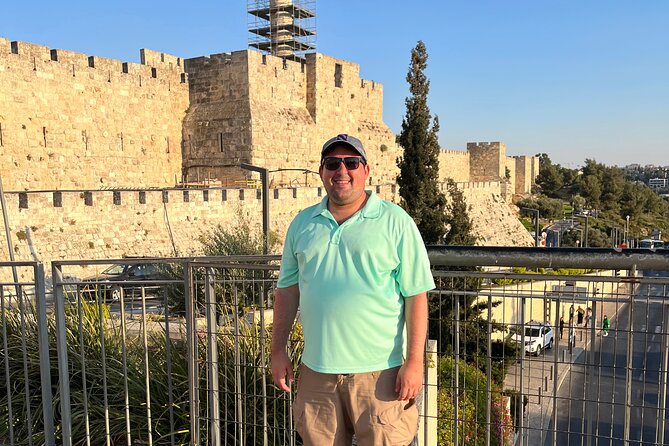
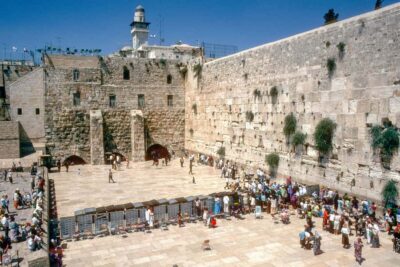
The Western Wall receives about 25 minutes. It is the most important Jewish prayer site in the world, and for many people it is the emotional center of the tour.
Your guide can explain the site’s religious importance and the traditions connected with it. You will also have a chance to take in the setting rather than simply pass by for a photograph.
The time allowance is enough for an introduction, but it may feel short if you want to sit quietly, pray, or observe the details for a long time. Keep your expectations realistic. This is one stop within a multi-quarter tour, not a dedicated Western Wall visit.
Sacred places require respectful behavior. Clothing, photography, and movement around worshippers can matter, and you should follow your guide’s instructions. The supplied information does not set out a formal dress code, so ask before the tour if you have concerns.
Entering the Christian Quarter
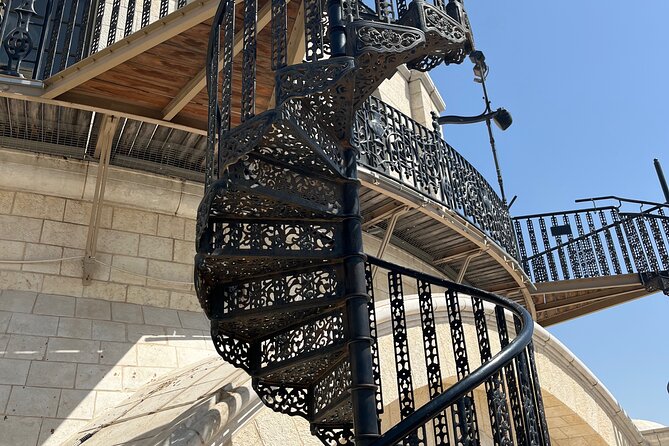
The Christian Quarter receives about an hour and includes two of Jerusalem’s best-known Christian sites: the Church of the Holy Sepulchre and the Via Dolorosa.
This part of the walk can be especially meaningful if you want to understand how Christian pilgrimage shapes the Old City. The Via Dolorosa is linked with the traditional route associated with Jesus’ final journey, while the Holy Sepulchre is the central church on the itinerary.
The Church of the Holy Sepulchre
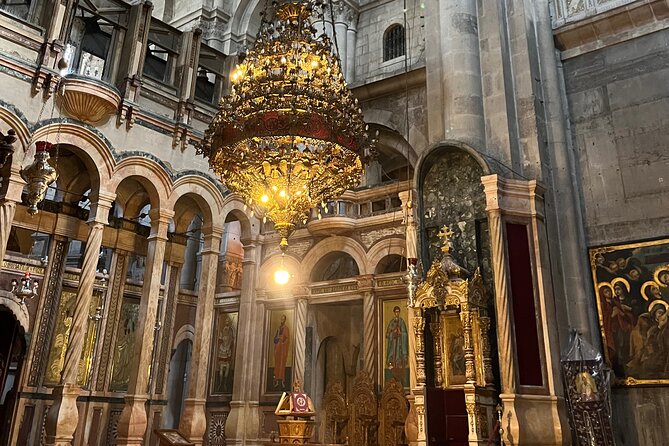
The Holy Sepulchre is one of the most important Christian churches in Jerusalem. Its significance is shared across several Christian traditions, which gives the site a complicated religious and historical character.
A guide is useful here because the church can be difficult to read on your own. You might find several chapels, altars, and worship areas close together, and the meaning of each space is not always obvious at first glance.
The one-hour Christian Quarter visit includes the church and Via Dolorosa, so the guide will need to balance explanation with walking. If the church is crowded or services are taking place, the actual time you spend at particular areas may vary.
Walking the Via Dolorosa
The Via Dolorosa is more than a street name on a map. It is a route shaped by religious memory, pilgrimage, and centuries of visitors moving through the Old City.
Walking part of it with a guide helps connect the route to the surrounding lanes. You can ask how the street relates to the church and to Christian traditions in Jerusalem.
Do not expect a quiet museum-style experience. The Old City is an active urban area, and the Via Dolorosa is part of that living setting. The contrast between sacred meaning and ordinary daily movement is one of the most revealing parts of the walk.
The compact Armenian Quarter
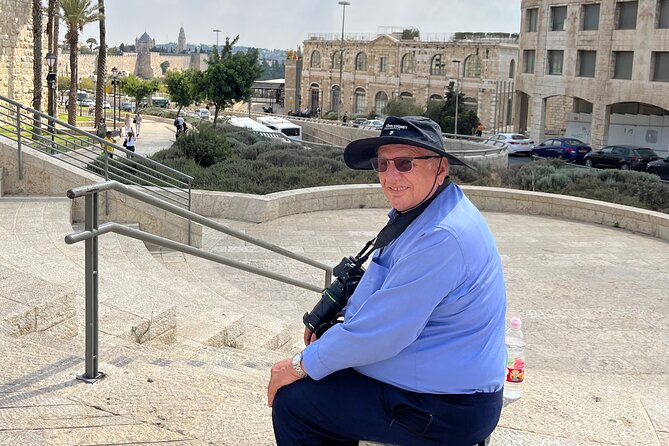
The Armenian Quarter receives about 30 minutes. It is the smallest of the four sections included on the route, so the visit is shorter than the time in the Jewish or Christian quarters.
That shorter stop still matters. Without a guide, you could easily pass through the Armenian Quarter without understanding that it has its own identity within the Old City. The guide can point out how this community differs from the neighboring quarters and explain its place in Jerusalem.
Because only half an hour is assigned, think of this as a focused introduction. You will not cover every corner, but you will gain a clearer picture of the Old City as a collection of communities rather than one uniform district.
The Muslim Quarter and Al Aqsa
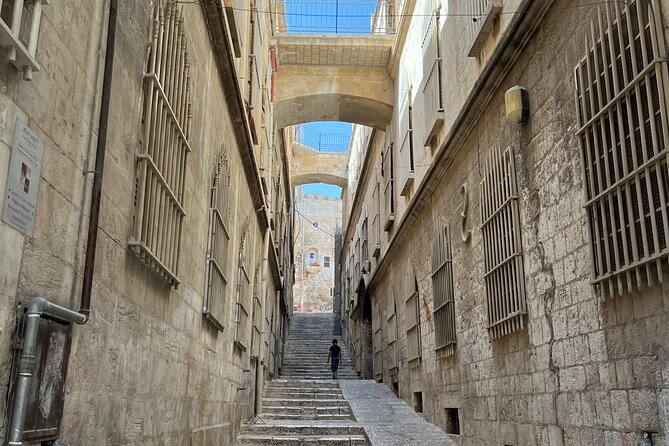
The itinerary includes about 30 minutes at Al Masjid Al Aqsa, described as one of the main holy places in Islam. This gives the tour a Muslim perspective after the Jewish and Christian sites.
That balance is important. The Old City’s religious meaning cannot be understood through only one tradition, and this stop helps broaden the discussion. Your guide can explain the significance of the site and how it fits into the city’s religious geography.
The supplied details do not specify access rules, opening times, or exactly which areas you will enter. Those conditions can affect what you see, so ask the provider for current information before booking, especially if Al Aqsa is a main reason for choosing the tour.
Food, conversation, and what is actually included
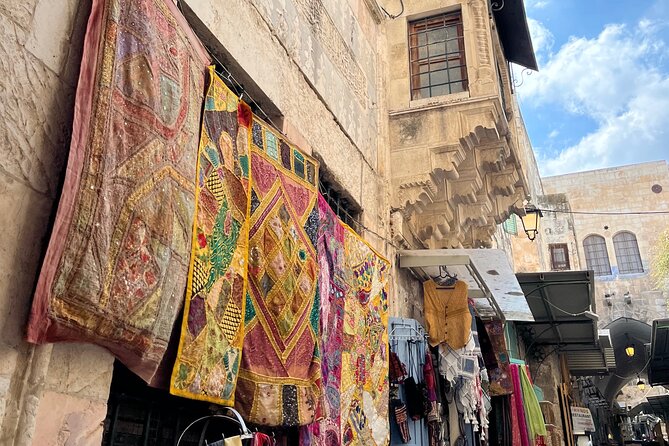
The tour description presents the experience as part sightseeing walk and part food tour. You are told that you will try national food, which adds a welcome local element to a route otherwise centered on monuments and sacred buildings.
At the same time, snacks are listed as not included. That wording creates some uncertainty about the food portion. You should confirm whether tastings are included in the $229 price or whether the guide simply points out food and you purchase snacks separately.
This is worth sorting out before you book. Food can turn a history walk into a more grounded experience, but you should not arrive expecting a full meal unless the provider confirms it.
The guide also provides translation and accompaniment. That can help when signs, customs, or explanations are not in your preferred language. The exact language arrangement is not specified, so ask if you need translation into a particular language.
What the guide can add to the experience
The guide is the biggest variable in this tour. A private format gives you the chance to ask questions, but the quality of the answers depends on the person leading the walk.
Victoria has received particularly warm praise for her English, attentiveness, and ability to adjust the tour to the group’s pace. A guide who listens well can make a familiar site feel new, even if you have already visited Jerusalem.
The experience has not been equally strong in every case. One guide was described as prompt, responsible, and willing to answer questions, but lacking enthusiasm. Another was considered polite and pleasant but not ready to provide enough historical detail.
That difference is important when you are paying $229 per person. If the guide is a strong storyteller with solid command of the subject, the private setting can feel personal and rewarding. If the guide’s preparation is limited, you may feel that you paid for accompaniment rather than expert interpretation.
If you have already studied Jerusalem, tell the guide what you know and what you want to explore. One past participant felt more informed about the history than the guide, which suggests that history-focused visitors should ask about the guide’s background before confirming.
Is $229 per person good value?
At $229 per person, this is not a budget walking tour. The price makes more sense for a small private group that values personal attention, flexible pacing, and a single route through all four quarters.
You are paying for a 4 to 5 hour private experience, not just entry to attractions. Admission is listed as free at the main stops, so the value depends almost entirely on the guide’s time, language help, organization, and interpretation.
For a group sharing the cost, the private format can be easier to justify. It may also suit a first-time visitor who wants the major sights explained without spending a full day in Jerusalem.
The price is harder to defend if you mainly want a quick walk to the Western Wall and Holy Sepulchre. You would be paying for a broader route and personal guiding that you may not use fully.
Remember that transportation from Tel Aviv to Jerusalem is not included. Pickup is offered, but the details of that pickup are not specified. If you are staying in Tel Aviv, include the cost and time of reaching Jerusalem when comparing this tour with other options.
Timing, pace, and who should book
Most people can participate, and the experience is near public transportation. Service animals are allowed. The route includes several hours of walking through an old city, so a comfortable pace and sensible shoes will help, though the provided information does not give a specific accessibility assessment.
This tour suits you best if:
- You have limited time in Jerusalem and want the major religious sites in one morning or afternoon.
- You prefer asking questions privately instead of joining a large group.
- You want Jewish, Christian, Armenian, and Muslim context in one walk.
- You like a flexible pace and may want the guide to focus on religion, history, or food.
- You are willing to confirm the details of food tastings and Al Aqsa access before paying.
It may not suit you if you want a slow, specialist visit to one quarter or a guide with guaranteed advanced historical expertise. The overall rating is high at 4.8 from 16 reviews, but the individual experiences show why it is wise to request a guide with strong historical training if that is your priority.
Booking and cancellation details
Confirmation is provided when you book. You can cancel for a full refund up to 24 hours before the start time. Cancellations or changes made less than 24 hours before the experience are not refunded or accepted.
The activity requires a minimum number of participants. If that minimum is not reached and the tour is canceled, you are offered another date or experience, or a full refund.
Should you book this Jerusalem Old City tour?
Book it if you want a private introduction to Jerusalem that links the Western Wall, Jewish Quarter, Holy Sepulchre, Via Dolorosa, Armenian Quarter, and Al Aqsa in one four to five hour walk.
I especially like the range of the route and the smaller synagogue stops. The experience can be excellent with a guide such as Victoria, who brings strong English, attention, and a personal pace to the day.
Before booking, confirm three things: who your guide will be, what food is included, and what access is currently possible at Al Aqsa. If those answers are clear and you value private guidance, the price can be worthwhile. If you mainly want independent sightseeing or detailed academic history, compare other options first.
FAQ
How long does the private Jerusalem Old City tour last?
The tour lasts approximately four to five hours.
Which parts of Jerusalem’s Old City does the tour visit?
It visits the Jewish, Christian, Armenian, and Muslim quarters.
Does the tour include the Western Wall?
Yes. The itinerary allows about 25 minutes at the Western Wall.
Which Christian sites are included?
The Christian Quarter portion includes the Church of the Holy Sepulchre and the Via Dolorosa.
Is transportation from Tel Aviv included?
No. Transportation from Tel Aviv to Jerusalem is not included, although pickup is offered.
Are food and snacks included?
The tour description says you will try national food, but snacks are listed as not included. Confirm the exact food arrangements with the provider before booking.
Can I cancel for a full refund?
Yes. You can cancel at least 24 hours before the start time for a full refund. Cancellations made within 24 hours are not refunded.
Recently added around Jerusalem
- Holy Jerusalem Full Day Tour from Jerusalem★ 5.0 · 3 reviews
- Half day tour bethlehem prices per Van up to 6 pax★ 5.0 · 3 reviews
- jerusalem classic tour★ 5.0 · 3 reviews
- Private Walking Tour in Jerusalem’s Old City★ 5.0 · 3 reviews
- Private Tour to the Culinary World of Jerusalem Market★ 5.0 · 3 reviews
- From Jerusalem: Masada Sunrise, Ein Gedi & Dead Sea★ 5.0 · 3 reviews
- Private Tour Bethlehem and the Dead Sea★ 5.0 · 3 reviews
- Jerusalem Like a Local: Customized Private Tour★ 5.0 · 3 reviews
Jerusalem Old City Tours, compared.
From Tel Aviv: Jerusalem Old City & Dead Sea Guided Day Tour
Read our review →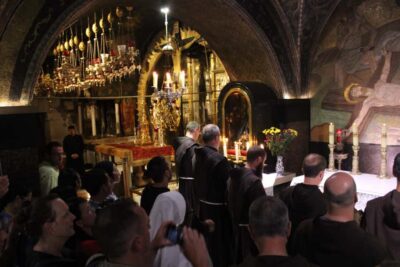

Jerusalem Half Day Tour: Holy Sepulchre and Western Wall
Read our review →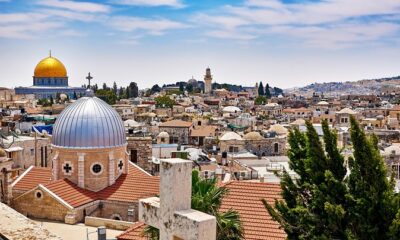
Jerusalem Half-Day Tour from Tel Aviv: Holy Sepulchre and Western Wall
Read our review →
Jaffa: Old City, Port & Shuk Hapishpishim Walking Tour
Read our review →Browse the lists this tour appears in