
Reviewed · NEGEV DESERT TOURS
Massada and the Dead Sea in Russian
Masada gives this half-day outing its real punch: you reach a ruined desert fortress above the Dead Sea, then float at the lowest place on Earth. The story is dramatic, the setting is stark, and the contrast between ancient stone and salty water makes this feel like two very different Israeli experiences in one trip.
I like the Russian-speaking guidance, especially if Alexandra is leading your departure. I also like the simple plan: bus transport, Masada, then a Dead Sea beach stop with mud treatments. The main drawback is time. At 270 minutes, you get a useful introduction, but not a slow, wide-ranging visit.
Budget carefully for the mandatory cable car, which is not included and is listed at about $22 to $24, or 80 to 91 shekels. The tour also is not a good match for anyone with limited mobility, and bus seating is not assigned.
Key points to know before booking
- Masada sits high above the Dead Sea: Explore a ruined fortress, palace remains, synagogue, water cisterns, armories, and other buildings tied to one of Israel’s best-known historical stories.
- The Russian-speaking guide matters: You receive live commentary in Russian, with Alexandra named as one guide who brings both ancient and modern Israel into the story.
- The cable car costs extra: The funicular ride is mandatory for the group excursion and should be added to the advertised tour price.
- The Dead Sea stop is hands-on: You have time to bathe, cover yourself with mineral mud, and enjoy the unusual buoyancy of the water.
- The ride crosses the Judean Desert: The bus transfer connects two major sights without making you arrange separate transport.
- Pickup is tied to listed city stops: Pickup points include Sderot Haatsmaut 64, Keren HaYesod and Haim Moshe Shapira, Hagshama Street 2, and Talpiot Market in Haifa, with the Haifa departure available only on Saturdays.
Why Masada gives this trip its meaning
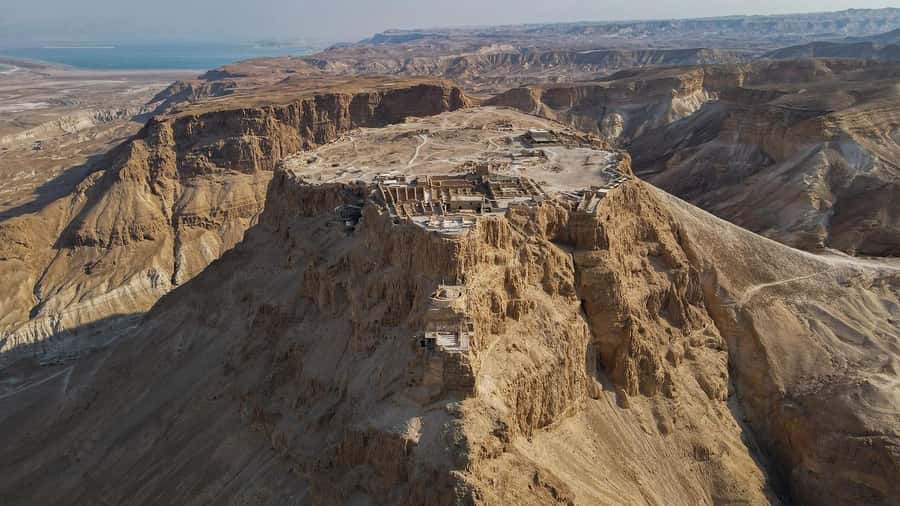
Masada is not simply an old fortress with a fine view. Its power comes from the story attached to the mountaintop.
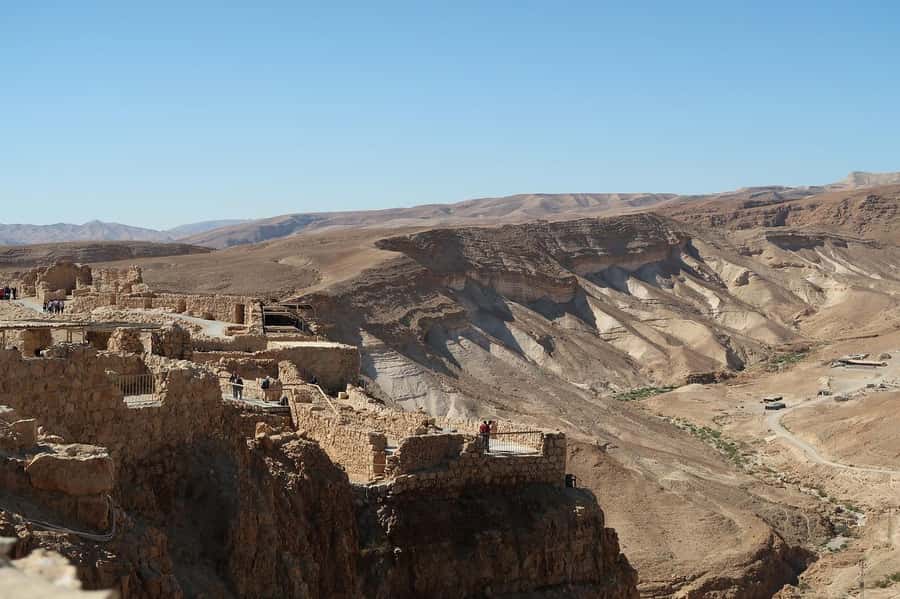
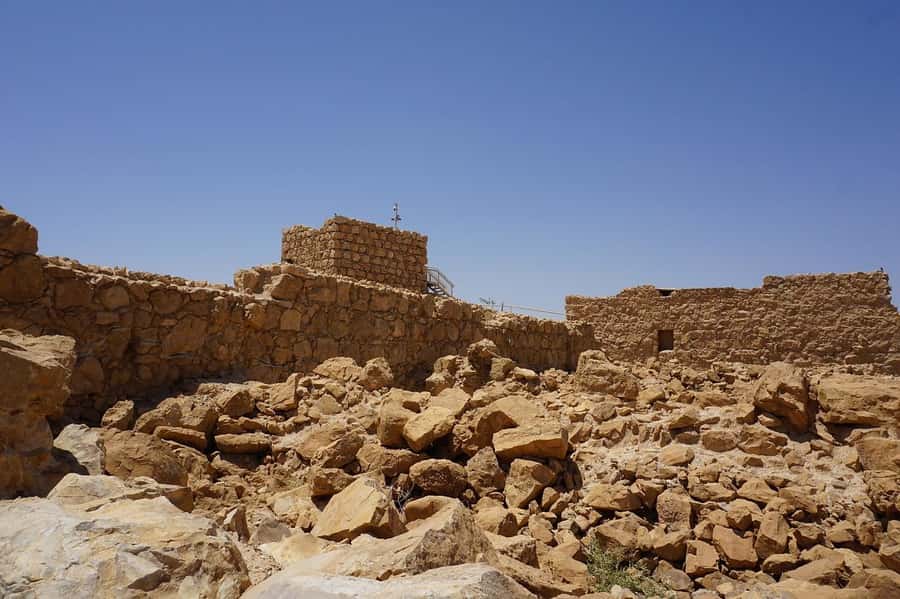
The fortress was built on a cliff near the southern end of the Dead Sea, close to Arad and surrounded by the Judean Desert. The remains include a palace, synagogue, storage and armory areas, rainwater collection pits, and other buildings. Much of it is in ruins, but the surviving outlines help you picture a remote stronghold that depended on careful planning to survive.
The site is also a symbol of Jewish resistance. During the Roman siege, the defenders, known as Zealots, endured months of pressure while their food and water supplies ran low. The final outcome is remembered as a choice between death and slavery, and that story gives the stones an emotional weight that a simple architectural tour would not have.
Your guide’s job is important here. Without context, Masada can look like sunbaked walls and scattered stones. With a good explanation, the water systems, storage rooms, and defensive position begin to make sense. Alexandra, one of the named guides, is praised for connecting Masada and the Dead Sea with the wider story of Israel. If she leads your group, expect the historical part to include both past events and present-day context.
Masada is listed as a UNESCO World Heritage Site, which reflects its importance beyond one national story. You can value the site for its archaeology, its setting, or its place in Jewish memory. The tour gives you enough time to grasp those layers, though the short total duration means you should not expect a detailed study of every ruin.
more dead sea days from Israel
- From Tel Aviv: Masada & Dead Sea Full Day Tour with Pick Up
★ 4.5 · 1,496 reviews - Masada and the Dead Sea Day Trip from Tel Aviv
★ 4.5 · 1,014 reviews - Tel Aviv: Jerusalem, Bethlehem & Dead Sea
★ 4.0 · 881 reviews
The cable car changes the way you see Masada
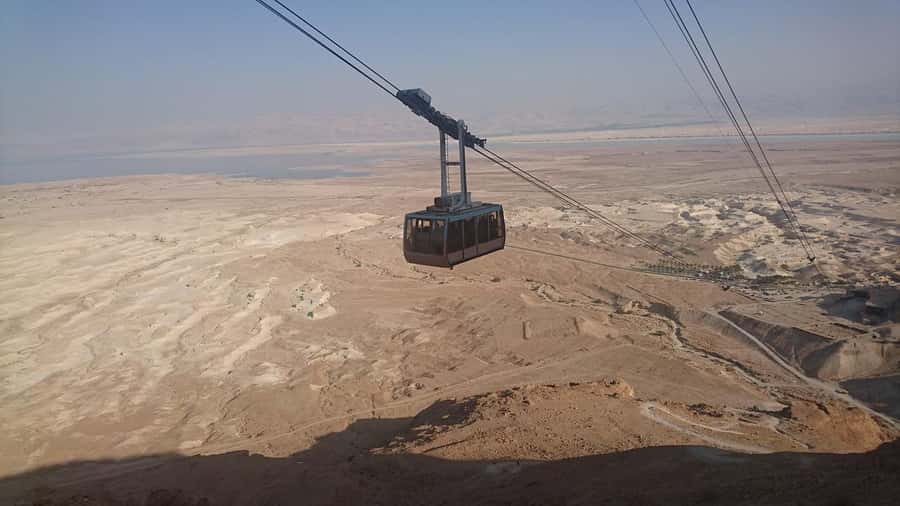
The ascent to the fortress is made by funicular, or cable car, rather than by a guided walk up the mountain. The ride is an additional cost, listed at approximately 80 to 91 shekels, or about $22 to $24. It is also described as mandatory for this group excursion, so treat it as part of the real price.
That extra charge can feel surprising when you first compare tours. Still, it provides a practical benefit: you reach the summit without spending the limited tour time on a steep climb. You also get a sense of the cliffs and the height of the fortress as the car rises.
The cable car does not make Masada effortless. Once you arrive at the top, you still need to walk around the ruins, deal with sun and exposed ground, and listen while moving between points of interest. The attraction is not recommended for people with limited mobility, so read that warning seriously rather than assuming the cable car solves every access problem.
Wear shoes suitable for walking over uneven surfaces. The supplied information does not specify shade, water stops, or the exact amount of time at the summit, so bring what you need for a hot desert visit. The tour information also does not include meals, which makes a small snack and drinking water sensible preparations if your departure schedule allows.
Reading Masada through its surviving buildings
The palace remains help you picture how the site functioned as more than a military position. The synagogue points to the religious life of the people who lived there. The storage and armory areas show the need to plan for a long siege, while the rainwater pits explain how anyone could live on an isolated cliff in such a dry region.
I find the water system especially useful for understanding Masada. A fortress can look secure from a distance, but a cliff is only livable if people can eat and drink. The cisterns turn the mountain from a dramatic lookout into a carefully engineered refuge.
The Roman siege story also becomes clearer when you see the location. The desert around the fortress is open and severe, with few distractions from the rock, sky, and salt basin below. You are not being asked to imagine a hidden medieval castle in a green valley. Masada is exposed, remote, and built around survival.
The guide-led format helps you focus on the details that matter. You are not left to guess why a wall, pit, or room is important. On the other hand, a group tour means the pace may be set by the guide and the rest of the group. If you like lingering over one archaeological feature, you may need to make the most of the time allowed.
Crossing the Judean Desert by bus
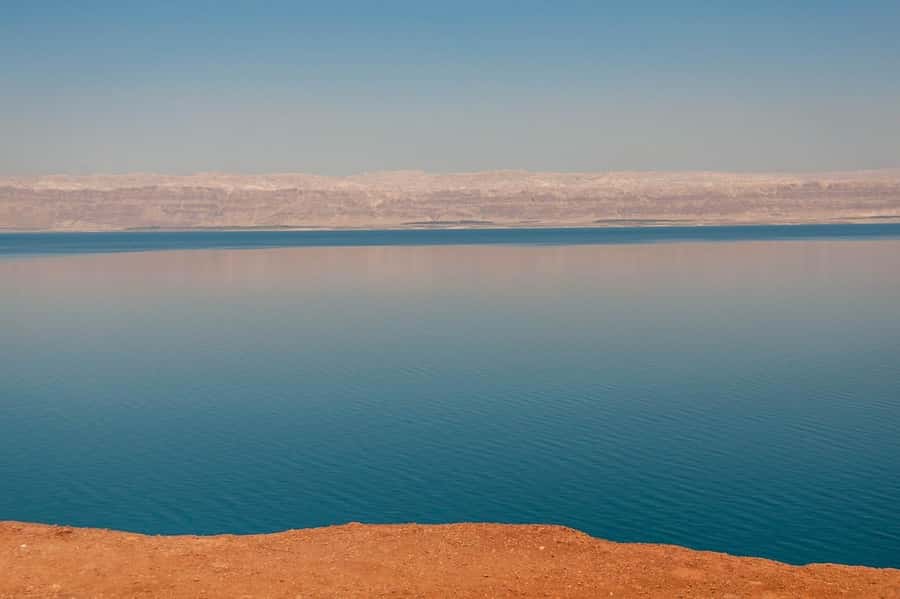
The bus transfer is included, and it does useful work here. Masada and the Dead Sea are close enough to combine, but they are not a pair of sights you would necessarily find simple to connect without your own transport.
The ride through the Judean Desert is part of the experience, not just a way to fill the gap between stops. You see the dry surroundings change as the bus heads toward the Dead Sea, and the journey gives the guide room to explain the region. The information promises cultural insight as well as fortress history, so listen for the links between the desert, the salt lake, and modern Israel.
The bus also keeps the day straightforward. You do not need to compare taxis, rent a car, or work out how to get from the fortress to the bathing area. That convenience is a major part of the value of an organized trip.
There are a few practical limits. The tour does not state the vehicle size, group size, or exact departure times. Pickup is offered at several named locations, including Sderot Haatsmaut 64, Keren HaYesod and Haim Moshe Shapira, and Hagshama Street 2. Pickup at Talpiot Market in Haifa is available only on Saturdays. Check the correct meeting point and operating day before you pay, especially if Haifa is your starting city.
One recent practical complaint concerned people trying to reserve bus seats by leaving clothing and bags on them, despite the stated rule that seats are not assigned. Do not count on saving a place with a small bag. It is better for everyone’s safety and for the driver if you follow the no-reservation rule.
A different kind of day out of Israel:
- From Tel Aviv: Jerusalem and Bethlehem Guided Day Trip
★ 4.3 · 1,316 reviews - From Tel Aviv: Jerusalem Old & New City Bus Tour
★ 4.2 · 824 reviews - From Tel Aviv: Guided Day Trip to Nazareth & Sea of Galilee
★ 4.4 · 824 reviews - From Jerusalem: Masada & Dead Sea Full Day Tour with Pick Up
★ 4.5 · 815 reviews
Floating at the Dead Sea
After the historical stop, the Dead Sea changes the mood completely. The beach visit is your chance to bathe in the mineral-rich water and try the familiar Dead Sea mud treatment. This is the less structured part of the day, and it gives you a break after walking around Masada.
The water is famous for its unusual salt content and buoyancy. You do not swim in the ordinary sense. You sit back, let the water hold you up, and take in the strange sensation of floating. For many people, this is the most memorable physical moment of the trip.
The mud treatment adds a playful element. You cover your skin with Dead Sea mud, allow it to sit, and then wash it away. The supplied information presents this as part of the beach experience, but it does not specify the exact beach facilities, changing arrangements, towel policy, or amount of free time. Bring swimwear and plan for the possibility that changing and shower arrangements may be basic or shared.
Take care around the water. Avoid getting it in your eyes, and do not treat the Dead Sea like an ordinary swimming beach. The tour details do not provide medical guidance, so anyone with a health concern should make their own judgment before entering the water.
The beach stop is also where the tour feels most relaxed. Masada asks you to listen and walk. The Dead Sea asks you to slow down and enjoy an odd natural experience. That contrast is the reason this combination works.
Dead Sea cosmetics and the extra spending question
A shop selling Dead Sea cosmetics is included in the route. This may appeal to you if you want mineral products or a practical souvenir, but it can also add sales pressure to a short outing. You are not required to buy anything, and the tour price does not include purchases.
I would treat the shop as optional. If you want creams, salts, or mud products, compare labels and prices before buying. The most important parts of the day are Masada and the water itself, not the shopping stop.
Meals are not included unless purchased separately. The tour lasts four and a half hours, so the lack of a meal is not unusual, but it still matters if you are booking around breakfast or lunch. The exact schedule is not provided, so check the available starting time and plan food around the departure.
Is $82 a fair price?
The advertised price is $82 per person, but the required cable car adds roughly $22 to $24. That puts the practical cost closer to $104 to $106 before food or cosmetics. The difference is important when comparing this with other Masada and Dead Sea outings.
For that combined cost, you receive bus transfers and attendant staff services, a Russian-speaking live guide, access to two major southern Israel sights, and the convenience of handling both stops in one half-day. If you are staying without a car or prefer not to manage desert transport, that package has real value.
The price is less attractive if you already have a rental car and only want a quick beach visit. You would still need to account for entry and transport costs on your own, but the organized tour’s main advantage is ease rather than luxury.
Do not expect meals, assigned bus seating, or a private guide at this price. The experience is built for a group, and its short format favors highlights over a leisurely pace. I would call it fair value for a first visit, provided you add the cable car fee before making your decision.
Who will get the most from this half-day tour?
I would choose this outing if you want the two essential sights in one organized run and prefer commentary in Russian. It suits you especially well if Masada’s history matters as much as the Dead Sea bathing stop.
It is also a good fit for first-time visitors who want an efficient introduction to southern Israel. Alexandra’s style, when available, appears to suit people who enjoy a guide who brings feeling and broader context to the subject rather than simply naming buildings.
You may want a different plan if you need a slow archaeological visit, dislike group schedules, or have limited mobility. The tour warning is clear on access, and the cable car only handles the ascent, not every walk around the fortress.
Families and mixed-interest groups may find the pairing useful because one person can enjoy history while another looks forward to the beach. Still, the day is compact, so nobody should expect a long resort stay at the Dead Sea or a full scholarly tour of Masada.
The Russian language is another key choice. If you understand Russian well, the live explanations should make the historical and cultural details easier to follow. If you do not, this is not the right version of the outing.
Booking advice and final verdict
Book this tour if you want a clear, efficient pairing of Masada and the Dead Sea without arranging desert transport yourself. Add the cable car fee to your budget, confirm your pickup point, and prepare for a group bus with no reserved seats.
I would recommend it most strongly for Russian-speaking visitors who want history first and a memorable float afterward. The tour gives you the emotional story of Masada, the practical details of its water system and buildings, and the unusual pleasure of lying back in the Dead Sea.
Skip it if your priority is comfort, a long beach session, or detailed mobility support. For everyone else, this is a compact and worthwhile introduction to two places that feel completely different but belong together on a southern Israel itinerary.
FAQ
How long does the Masada and Dead Sea tour last?
The tour lasts 270 minutes, or four and a half hours.
What language is the tour conducted in?
The live tour guide speaks Russian.
Is the cable car to Masada included in the price?
No. The funicular ride is not included in the listed price and is mandatory for the group excursion. The additional cost is listed at approximately $22 to $24, or 80 to 91 shekels.
Are meals included?
No. Meals are not included unless purchased additionally.
Where is pickup available?
Pickup is listed at Sderot Haatsmaut 64, Keren HaYesod and Haim Moshe Shapira, Hagshama Street 2, and Talpiot Market in Haifa. The Haifa departure is available only on Saturdays.
Can I cancel for a full refund?
Yes. You can cancel up to 24 hours in advance for a full refund.
Recently added around Israel
- Holy Jerusalem Full Day Tour from Jerusalem★ 5.0 · 3 reviews
- Jaffa Flea Market Tasting Tour★ 5.0 · 3 reviews
- Half day tour bethlehem prices per Van up to 6 pax★ 5.0 · 3 reviews
- Early Christianity in Galilee Private Tour★ 4.5 · 3 reviews
- Petra and Wadi Rum 2 day Tour from Eilat★ 5.0 · 3 reviews
- Petra & Wadi Rum 3 Days 2 Tour Nights from Eilat border★ 5.0 · 3 reviews
- Privet walking tour in Tel Aviv-Yafo★ 5.0 · 3 reviews
- Bar Crawl tour with local in Tel-Aviv★ 5.0 · 3 reviews
Negev Desert Tours, compared.
Two hour guided jeep tour in to and around the Ramon crater
Read our review →

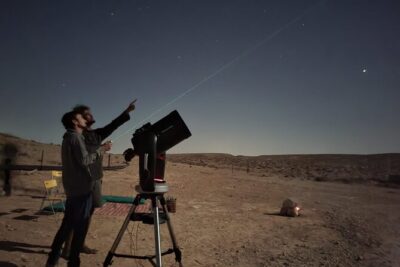
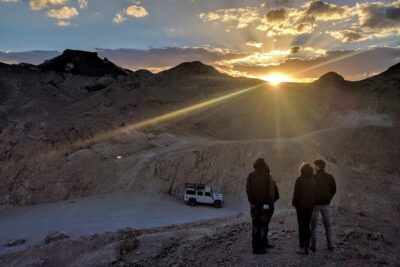
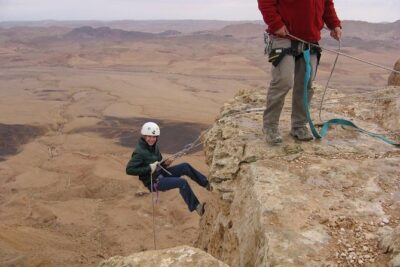
The Ramon Crater and rappelling package tour – an exciting combo tour.
Read our review →Browse the lists this tour appears in