
Reviewed · JERUSALEM TOURS
Jerusalem of 3 Religions in Russian
Jerusalem brings the sacred landmarks of Judaism, Christianity, and Armenian Christianity into one compact Old City visit. In six hours, you move from Mount Zion and the Last Supper Room to the final stations of the Via Dolorosa, then finish near the Western Wall.
I like the Russian-speaking format and the chance to see three distinct Old City areas without arranging several separate visits. I also like that the tour includes the Church of the Holy Sepulcher and time near the Western Wall, two places that are hard to understand from photographs alone. The main drawback is the pace: six hours covers a lot, and the walking, steps, and uneven surfaces are not a good match for limited mobility.
Key points to know before booking
- Three faiths in one half-day: Visit Jewish, Christian, and Armenian areas of Jerusalem’s Old City.
- Mount Zion’s sacred rooms: See the Last Supper Room, also called the Cenaculum, and the Dormition Abbey.
- The final Via Dolorosa stops: Follow the route toward the crucifixion, death, and resurrection of Jesus.
- A Russian-speaking guide: Guide Pyotr is praised for making the history interesting and clear.
- Time at the Western Wall: You can approach Judaism’s most sacred prayer site.
- Simple, flexible booking: Bus transfers and guide service are included, food is not, and cancellation is free up to 24 hours before departure.
Why this Jerusalem tour works as an introduction
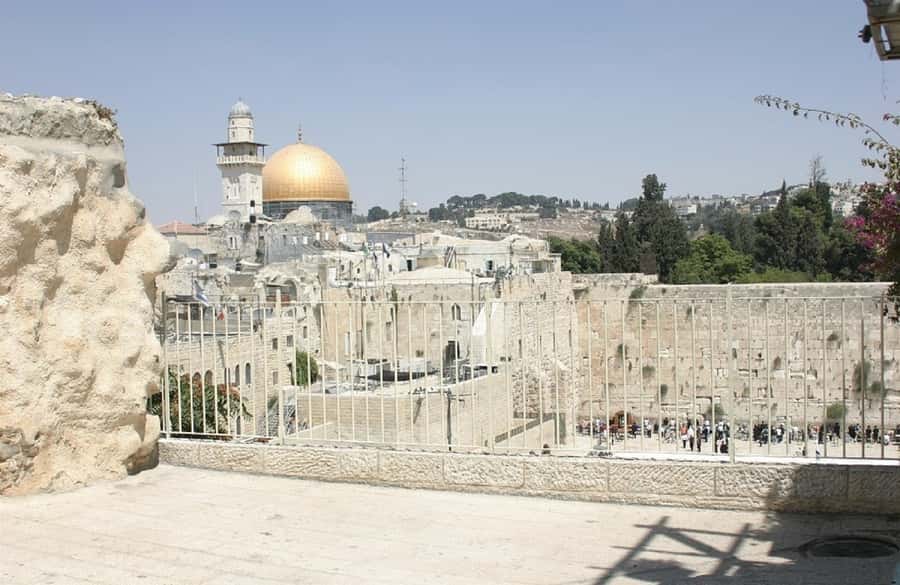
Jerusalem can feel like several cities pressed into one. A stone alley may lead to a Jewish prayer site, a Christian shrine, or an Armenian church courtyard within minutes. That closeness is the central lesson of this excursion.
You are not simply checking off monuments. You are seeing how three religious traditions have shaped the same hilltops, lanes, gates, and courtyards. The tour focuses on the Old City and Mount Zion, with a panoramic view of both historic and modern Jerusalem included along the way.
The Russian-language guide matters here. Religious sites in Jerusalem carry layers of names, traditions, and competing claims. A guide who can explain those details in your strongest language helps you follow the story instead of spending the day trying to decode signs and short plaques.
Guide Pyotr receives particular praise for interesting explanations. If he leads your departure, pay attention during the transitions between sites. Those short walks often explain why one quarter feels different from the next.
At $63 per person, the price is reasonable if you want transportation, a guide, and a planned route through several major sites. It is less attractive if you prefer to linger for a long time at one church or wall. This is a broad overview, not a slow study visit.
Other Jerusalem days travellers combine with this one:
- From Jerusalem: Masada & Dead Sea Full Day Tour with Pick Up
★ 4.5 · 815 reviews - Masada and the Dead Sea Day Trip from Jerusalem
★ 4.5 · 757 reviews - From Jerusalem: Nazareth and Sea of Galilee Tour
★ 4.5 · 588 reviews
Starting with Mount Zion and its panoramic views
The Mount Zion section gives you a useful starting point. From here, you can look across historic and modern Jerusalem before entering the religious story of the Old City more closely.
The views are valuable because Jerusalem’s layout is not always obvious at street level. Stone walls and narrow lanes can make the city feel enclosed. A wider outlook helps you see how the Old City relates to the newer parts of Jerusalem.
Mount Zion also connects several important Christian traditions. The tour includes the Last Supper Room, known as the Cenaculum, and the Dormition Abbey.
The Last Supper Room is traditionally identified as the place where Jesus shared his final meal with his disciples. The word traditionally matters. Sacred sites often preserve long-held religious memory, even when historians cannot prove every detail in a modern sense. A good guide can help you understand both the devotion attached to the site and the limits of what is known.
The Dormition Abbey adds another layer to Mount Zion. Its association with the end of Mary’s earthly life makes it an important Christian pilgrimage stop. You should expect this part of the visit to focus on religious tradition, architecture, and the meaning assigned to the location.
Do not expect a large museum-style presentation. The appeal is the setting and the connection between the sites. You see where the traditions are rooted, then continue into the Old City where the three religious quarters meet and overlap.
Walking through three Old City blocks
The Old City portion is described as an observation excursion through Jewish, Christian, and Armenian areas. These are not interchangeable neighborhoods. Each has its own religious identity and atmosphere.
The Jewish area leads naturally toward the Western Wall. The Christian area connects with the Via Dolorosa and the Church of the Holy Sepulcher. The Armenian area offers another important part of Jerusalem’s religious character, one that can be missed on a quick first visit.
The Armenian quarter is especially useful in a three-faith tour because it broadens the Christian story. Jerusalem is not divided into only Jewish and Christian spaces. Armenian Christianity has its own institutions, traditions, and historic presence within the Old City.
The wording of the route suggests a guided overview rather than extended free time in each block. That is both a strength and a limitation. You get a clear sense of the city’s structure, but you may not have much time to shop, stop for a long meal, or explore side streets on your own.
I recommend keeping your attention on the guide during the walking sections. The point is not only to reach the next famous site. It is to understand how the neighborhoods fit together and why the same Old City stonework can carry different meanings for different faiths.
Following the last five stops of the Via Dolorosa
The tour covers the final five stops on the Via Dolorosa. This route leads toward the place associated with the crucifixion, death, and resurrection of Jesus.
The Via Dolorosa is not a quiet open-air path. It is part of a living city, and the route passes through the close quarters of the Old City. That setting can make the visit feel immediate, but it also means you should be ready for a busy walking environment and uneven ground.
The final five stations are particularly important because they bring the route to its destination at the Church of the Holy Sepulcher. You will encounter the places connected with the final events of the Christian Passion story rather than covering the entire route from its beginning.
This condensed section suits you if you want the main Christian pilgrimage route without spending a full day on every station. It may feel too brief if the Via Dolorosa is your primary reason for visiting Jerusalem.
Comfortable shoes are essential. The tour itself specifically recommends them, and that advice should not be treated as optional. Bring water as well. Food and drinks are not included, so plan accordingly around the six-hour schedule.
A different kind of day out of Jerusalem:
- From Jerusalem: Half-Day Bethlehem Guided Tour
★ 4.7 · 568 reviews - Jerusalem/Tel Aviv: Bethlehem, Jericho and Jordan River Tour
★ 4.6 · 526 reviews - From Jerusalem/Tel Aviv: Bethlehem and Dead Sea Day Tour
★ 4.7 · 484 reviews - Nazareth and the Sea of Galilee Day Trip from Jerusalem
★ 4.5 · 446 reviews
Entering the Church of the Holy Sepulcher
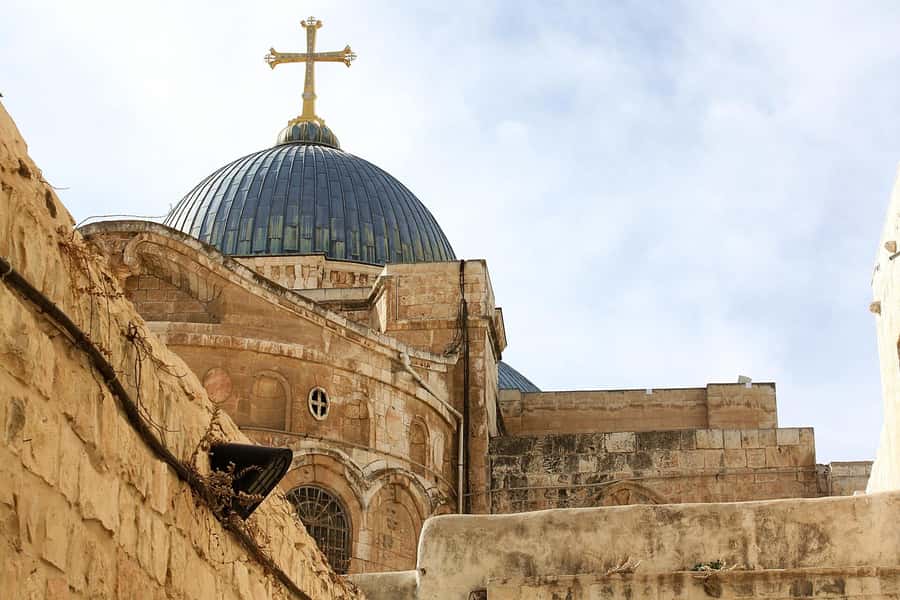
The Church of the Holy Sepulcher is one of the central stops of the excursion. Christian tradition connects this site with Golgotha, the place of crucifixion, and with the tomb associated with the resurrection.
The present church contains several chapels and monasteries used by different Christian denominations. That shared arrangement is part of what makes the building so significant. It also means the church can feel complex. You are not visiting one simple chapel with one clearly marked focal point.
Your guide can help you understand how the different sections relate to the larger Christian story. The building has developed over time, and its many chapels reflect the presence of several Christian communities.
Give yourself a moment to notice the contrast between the church’s religious importance and its practical setting inside the Old City. The visit is not staged like a modern attraction. It is an active place of prayer and worship, so the pace may depend partly on what is happening inside.
The tour’s six-hour schedule gives you an important visit, but not unlimited time. If you hope to pray quietly, take photographs, or study every chapel, you may want to return independently later. For a first look, the guided stop provides the context that many people need.
Meeting Judaism at the Western Wall
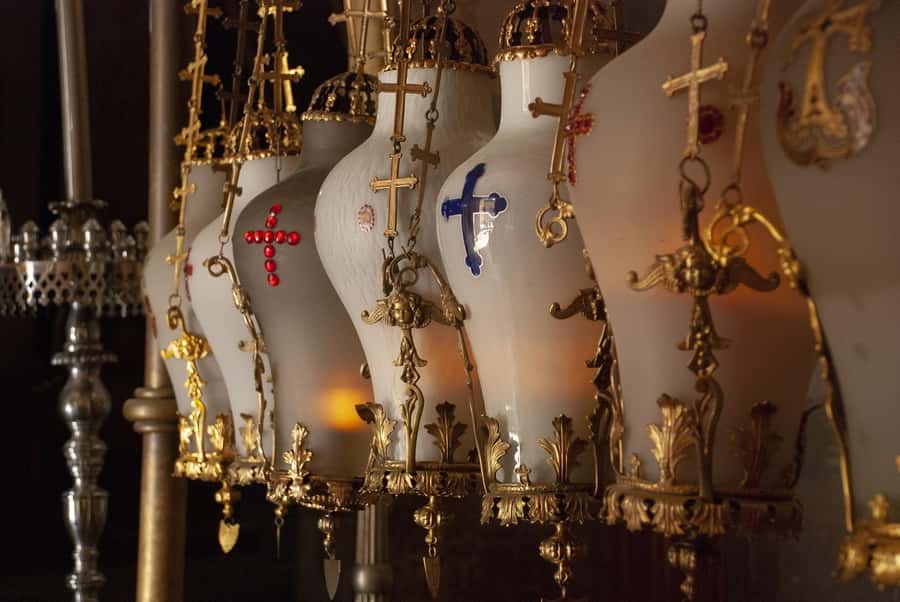
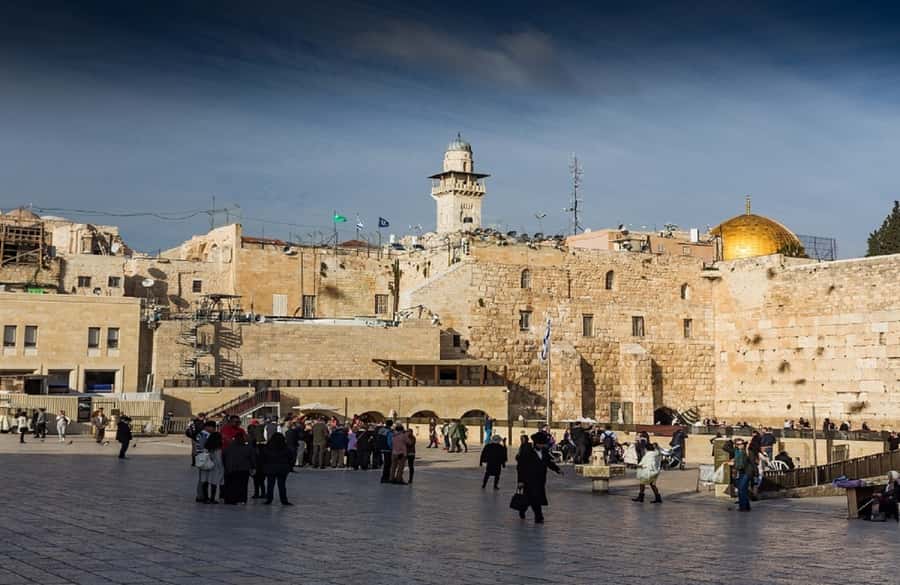
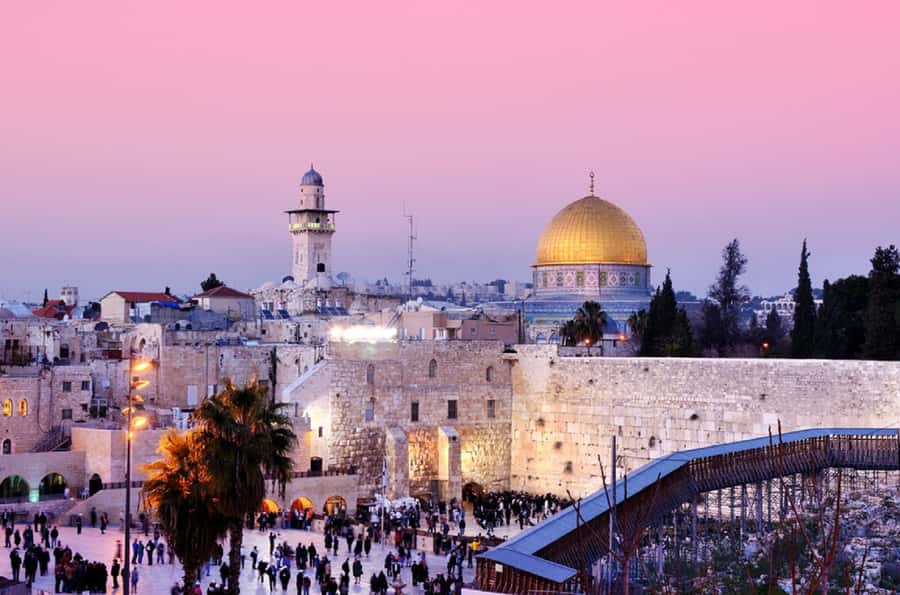
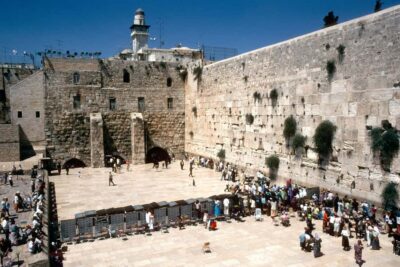
The Western Wall, also known as the Wailing Wall, is described as the most sacred place in Judaism. It is tied to Jewish memory and prayer connected with the First and Second Temples, as well as the hope for a Third Temple.
This is more than a final photo stop. The wall is a place of prayer, and the tone changes as you approach it. You should treat the area with care and respect, even if you are visiting mainly to learn about its history.
The tour allows you to pray near the wall. If you do not practice Judaism, you can still approach respectfully and observe the meaning of the site. Your guide can explain the wall’s role, but the atmosphere is best understood by watching quietly and giving people room.
Clothing rules matter here and at other holy places. Ripped and see-through clothing is not allowed on this excursion. Choose modest, comfortable clothing that will also work for six hours of walking.
The Western Wall gives the itinerary a strong closing point. After seeing Mount Zion and the Christian pilgrimage sites, you finish with a major Jewish holy place. The route makes the city’s three religious identities feel connected rather than separate.
What the six-hour schedule means for you
Six hours is long enough for a substantial introduction but short enough to fit into a wider Jerusalem plan. The tour includes bus transfers during the excursion, which reduces the need to organize connections between the starting points and the Old City area.
Pickup is listed at Sderot Haatsmaut 64, Keren HaYesod and Haim Moshe Shapira, and Hagshama Street 2. Talpiot Market Haifa is also listed, with departure available there only on Saturdays. Check the available starting time and pickup point carefully before booking, since the options may not all apply to every departure.
The exact order of the stops may vary with timing and local conditions. The advertised visit includes Mount Zion, the Last Supper Room, the Dormition Abbey, the final five Via Dolorosa stops, the Church of the Holy Sepulcher, and the Western Wall.
Because food and drinks are not included, bring water and consider eating before departure. The supplied information does not specify a meal break, so I would not count on one as part of the schedule.
This is not a good choice for anyone with limited mobility. The Old City’s historic setting means walking is a central part of the experience, and comfortable shoes are required. Children must be at least five years old.
The Russian-language guide makes a difference
A live guide in Russian is the defining feature for many people comparing this tour with a self-guided visit. Jerusalem’s sacred sites come with unfamiliar terms, overlapping traditions, and sensitive religious subjects. Clear explanations can make the difference between seeing a building and understanding why it matters.
Guide Pyotr is specifically praised for interesting storytelling. That is useful on a route with several stops that could otherwise blur together. The Last Supper Room, Via Dolorosa, Holy Sepulcher, and Western Wall each carry a different tradition, and the guide’s job is to keep those distinctions clear.
You should still expect a group-tour format. The route covers a lot of ground, and the guide must keep people moving. If you prefer to set your own pace, spend a long time in prayer, or read every inscription, an independent visit may suit you better.
If Russian is your preferred language, though, the value is strong. You receive guide service and bus transfers for $63, with the main religious sites organized into one route.
Who should book this experience
This tour suits first-time visitors who want a structured introduction to Jerusalem’s sacred center. It is also a practical option if you prefer explanations in Russian or want to see the major Christian and Jewish sites in one day without arranging transport yourself.
You will get the most from it if you enjoy historical and religious context, can walk comfortably for several hours, and are happy with a broad overview. Modest clothing, water, and good shoes will make the day easier.
I would hesitate if you have limited mobility, need frequent breaks, or want a slow, photography-focused visit. The tour touches several major sites, so time at each one is likely to be focused rather than leisurely.
The experience has a 4.4 out of 5 rating from three published ratings, and guide Pyotr receives especially warm praise for his explanations. That gives the Russian-language guiding a useful vote of confidence, while the small number of ratings means you should still judge the tour mainly by its route and pace.
Should you book Jerusalem of 3 Religions in Russian?
Book it if you want the major sacred landmarks explained in Russian and prefer a planned six-hour route over independent navigation. The combination of Mount Zion, the Via Dolorosa, the Church of the Holy Sepulcher, the Armenian quarter, and the Western Wall gives you a strong first look at Jerusalem’s religious core.
Skip it if you want long, quiet visits at individual sites or cannot manage substantial walking. At $63 per person, the tour offers good value for guided interpretation and included bus transfers, but its strength is coverage. You see many important places in one outing, then can return later to the sites that speak to you most.
FAQ
How long does the Jerusalem of 3 Religions tour last?
The tour lasts six hours. Starting times depend on availability.
What language is the tour conducted in?
The live tour guide speaks Russian.
What places are included in the itinerary?
The tour includes three areas of Jerusalem’s Old City, Mount Zion, the Last Supper Room, the Dormition Abbey, the final five stops of the Via Dolorosa, the Church of the Holy Sepulcher, and the Western Wall.
Are transportation and a guide included?
Yes. Guide services and bus transfers during the tour are included.
Are food and drinks included?
No. Food and drinks are not included, so you should bring water and plan for your own meals.
What should I wear and bring?
Wear comfortable shoes and avoid ripped or see-through clothing. Water is also recommended.
Is the tour suitable for children and people with limited mobility?
Children must be at least five years old. The tour is not recommended for people with limited mobility.
Recently added around Jerusalem
- Holy Jerusalem Full Day Tour from Jerusalem★ 5.0 · 3 reviews
- Half day tour bethlehem prices per Van up to 6 pax★ 5.0 · 3 reviews
- jerusalem classic tour★ 5.0 · 3 reviews
- Private Walking Tour in Jerusalem’s Old City★ 5.0 · 3 reviews
- Private Tour to the Culinary World of Jerusalem Market★ 5.0 · 3 reviews
- From Jerusalem: Masada Sunrise, Ein Gedi & Dead Sea★ 5.0 · 3 reviews
- Private Tour Bethlehem and the Dead Sea★ 5.0 · 3 reviews
- Jerusalem Like a Local: Customized Private Tour★ 5.0 · 3 reviews
Jerusalem Tours, compared.
From Jerusalem: Masada & Dead Sea Full Day Tour with Pick Up
Read our review →
From Jerusalem: Nazareth and Sea of Galilee Tour
Read our review →

From Jerusalem/Tel Aviv: Bethlehem and Dead Sea Day Tour
Read our review →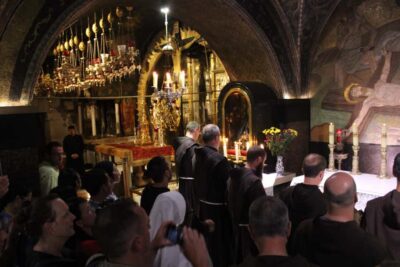
Masada, Ein Gedi and The Dead Sea from Jerusalem
Read our review →Browse the lists this tour appears in