
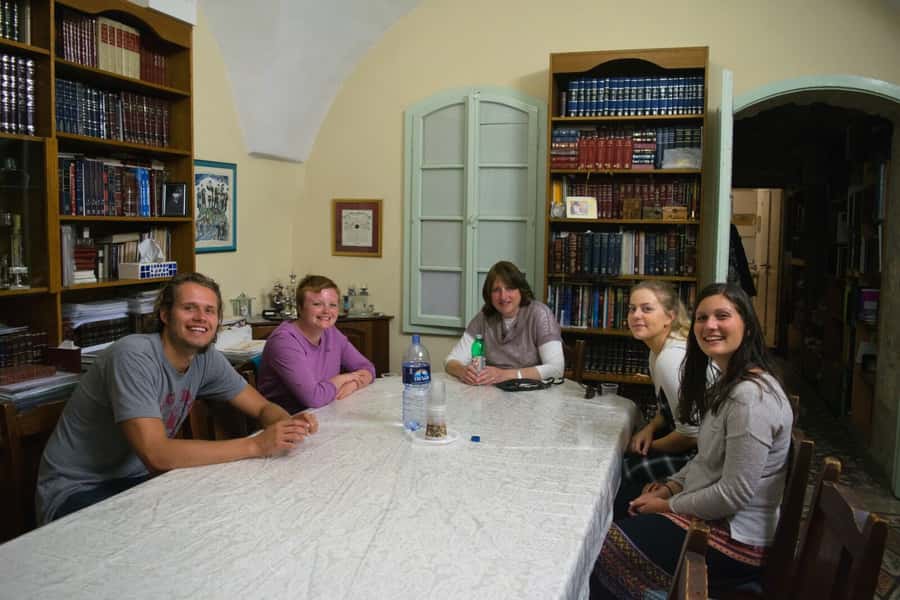
Reviewed · JERUSALEM TOURS
Jerusalem: Meet the Orthodox Jews Tour
The most unusual part of this Jerusalem walk is its insider guide. You enter a traditional ultra-Orthodox neighborhood that most sightseeing routes skip, then learn how its customs shape ordinary streets, shops, families, and religious life. The guide is a former member of the community, so the conversation can move beyond what you see from the outside.
I like the honest question-and-answer format, and I like the range of places along the way: a bakery, bookstore, music shop, restaurant, clothing store, synagogue, and yeshiva. The main consideration is that some places cannot be entered, and street noise can make it hard to hear the guide at times. Modest clothing is required, so pack accordingly.
Key points at a glance
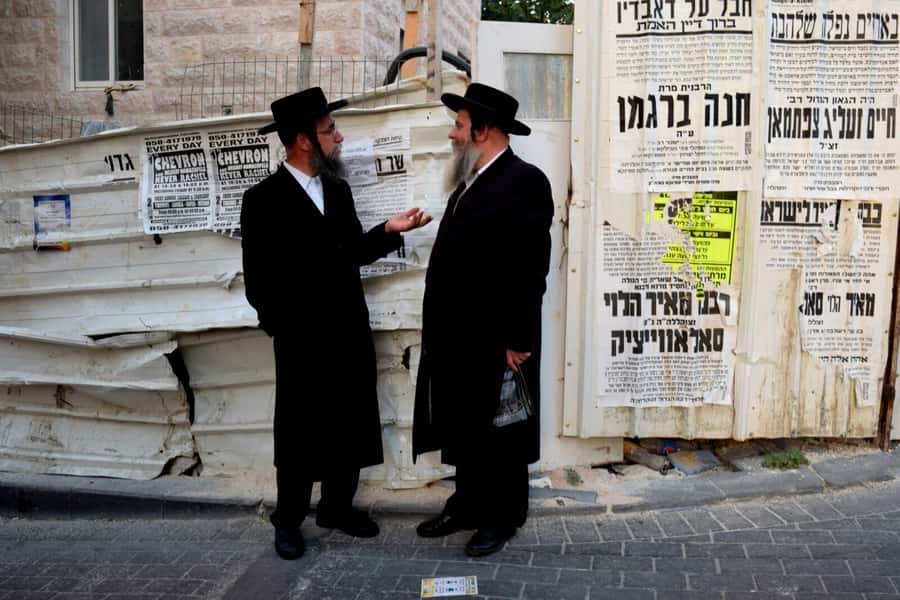
- Former insider guide: Hear about ultra-Orthodox life from someone who grew up within the community and later left it.
- A neighborhood rarely on tourist routes: Walk through ordinary streets rather than visiting a staged cultural display.
- Useful everyday context: Discuss marriage, women’s roles, charity, kosher food, phones, media, Sabbath, and holidays.
- Mostly an outside view: Some shops and religious institutions cannot be entered because of local community rules.
- Strong value at $53: The 150-minute guided walk offers focused cultural context at a reasonable price for Jerusalem.
- Dress rules matter: Wear modest clothing, including covered shoulders and no shorts. Women should bring a scarf or shawl.
Walking into a community most visitors only observe
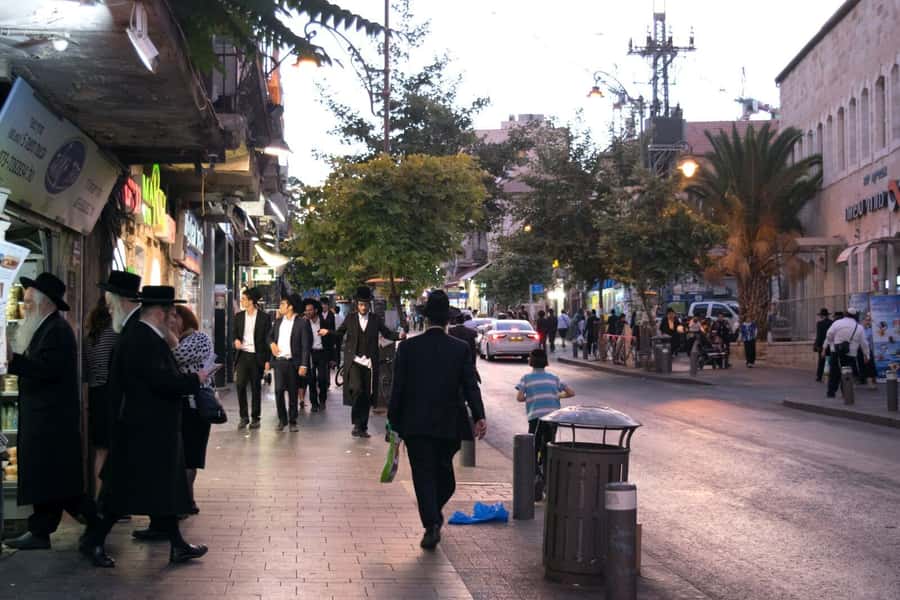
Ultra-Orthodox Jewish neighborhoods can feel difficult to understand from the street. You may notice distinctive clothing, Hebrew signs, religious symbols, and different rhythms of public life, yet still have little sense of what those details mean.
This tour gives you a way to ask. Rather than simply passing through, you walk with someone who knows the community from personal experience. That changes the tone. The guide can explain not only what a custom looks like, but why it matters and how it affects daily choices.
The tour is conducted in English and lasts 150 minutes. That is long enough to build a useful picture without taking up an entire day in Jerusalem. I would treat it as a focused cultural visit, not as a general city walk. It is best suited to someone who wants social and religious context, not a checklist of major monuments.
The guide’s personal background is central to the experience. Several sessions have featured Moti, a guide described as a former member of the Orthodox community. His own story of leaving the community can add a personal and sometimes emotional final note. At the same time, the purpose is not simply to criticize ultra-Orthodox life. The discussion is meant to show the pressures, values, customs, and debates within the community.
Other Jerusalem days travellers combine with this one:
- From Jerusalem: Masada & Dead Sea Full Day Tour with Pick Up
★ 4.5 · 815 reviews - Masada and the Dead Sea Day Trip from Jerusalem
★ 4.5 · 757 reviews - From Jerusalem: Nazareth and Sea of Galilee Tour
★ 4.5 · 588 reviews
What the neighborhood walk actually covers
The route takes you through a nearby traditional ultra-Orthodox neighborhood. The exact order of stops can vary, but the walk is built around the places that make up everyday life.
You may pass a typical bakery, where the guide can explain the place of kosher food and religious food rules in ordinary routines. A bakery is a useful stop because it connects broad religious ideas to something practical and familiar. Food is not just a matter of taste here. Preparation, ingredients, certification, and Sabbath observance all affect what can be bought and when.
A bookstore and music store offer another window into the community. These shops can help you understand the material world of a society that follows different rules about media and entertainment. The guide also discusses phones and media, subjects that show how the community manages modern technology while trying to protect its religious boundaries.
You may also see a restaurant and clothing shop. The clothing stores are especially relevant because dress is one of the most visible signs of ultra-Orthodox identity. Your guide can explain the meaning behind clothing customs rather than leaving you to guess from appearances.
Synagogues and yeshivas are also part of the walk. You might not be able to enter, but seeing them from outside still gives the route a clear sense of place. A yeshiva is not simply a school in the ordinary sense. It is tied to religious study and to the role that scholarship plays in community life. The guide’s explanations help connect these buildings with the wider social structure.
Do not expect a series of formal indoor visits. Local rules mean that some sites remain closed to outsiders. That restriction is important to respect. The outside-only format may feel limiting if you want access to interiors, but it also keeps the visit within the boundaries accepted by the community.
The questions that make this tour worthwhile
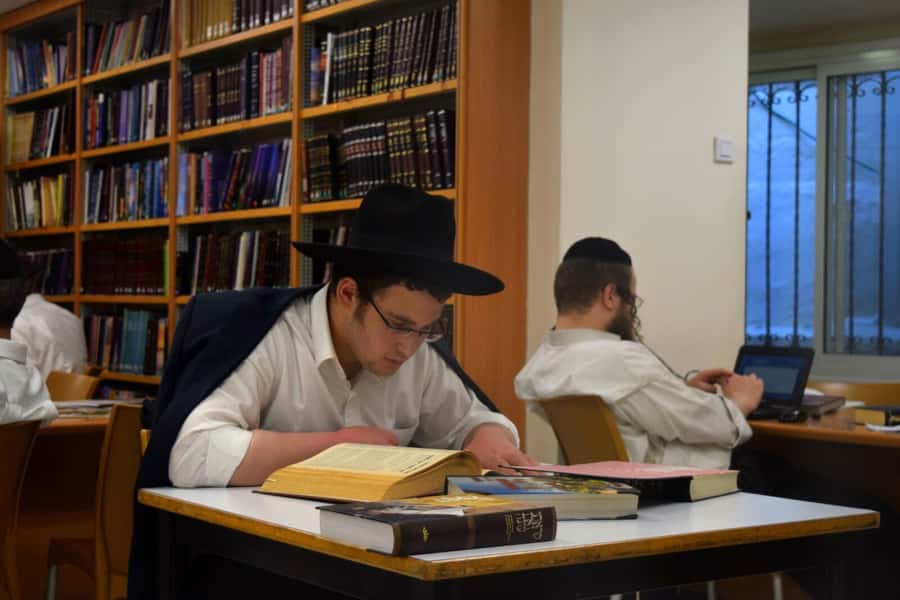
The strongest part of the experience is the chance to ask direct questions. The subject matter is broad, and the guide invites discussion rather than delivering only a fixed speech.
You can ask about marriage and family life, including how relationships are shaped by religious expectations. The role of women is also discussed. This can be a sensitive subject, and a personal guide can explain the community’s own viewpoint while also addressing criticism and conflict.
Charity is another theme. The tour looks at how the community supports its members and how religious values affect social responsibility. You also discuss Sabbath and Jewish holidays, including how these observances shape the week, the streets, shops, phones, and public behavior.
The conversation extends to the place of the ultra-Orthodox sector in modern Israeli society. That is one reason the tour feels more useful than a simple neighborhood stroll. You are not only learning about clothes and rituals. You are considering how a distinct religious population fits into a modern state, and where tensions arise.
The guide may also face questions from people outside the group or from others who disagree with his views. One particularly positive account describes him handling difficult questions calmly, warmly, and with humor. That ability matters on a topic that can quickly become political or personal.
Come ready to listen as well as ask. The best questions are specific and respectful. You are entering a living neighborhood, not a museum exhibit, so curiosity should not turn into judgment or demands for access.
Why the former-member perspective matters
You can learn basic facts about ultra-Orthodox Jewish life from books or a general Jerusalem guide. The value here is the personal explanation of how those rules feel in practice.
A former community member can describe the logic from within, then explain the doubts or conflicts that led him to leave. That combination gives you two viewpoints at once. You hear why traditions matter to people who follow them, while also hearing about the limits or tensions that can exist inside the system.
This is where the tour can become surprisingly moving. One session ended with the guide sharing his personal story, and the experience was described as powerful and deeply emotional. That does not mean every tour will follow exactly the same emotional path, but you should expect personal material to be part of the experience.
The guide’s background also helps avoid a simple outsider’s portrait. Ultra-Orthodox Jews are not a single personality type, and the tour cannot explain every group or family. Still, it gives you a better starting point than judging an entire community by street scenes alone.
I appreciate that the tour leaves room for complexity. You may come away with sympathy for parts of the community, questions about others, and a clearer idea of why debates in Israeli society can be so intense. That is a better result than being handed a tidy, one-sided story.
A different kind of day out of Jerusalem:
- From Jerusalem: Half-Day Bethlehem Guided Tour
★ 4.7 · 568 reviews - Jerusalem/Tel Aviv: Bethlehem, Jericho and Jordan River Tour
★ 4.6 · 526 reviews - From Jerusalem/Tel Aviv: Bethlehem and Dead Sea Day Tour
★ 4.7 · 484 reviews - Nazareth and the Sea of Galilee Day Trip from Jerusalem
★ 4.5 · 446 reviews
Timing, pace, and what the $53 price buys
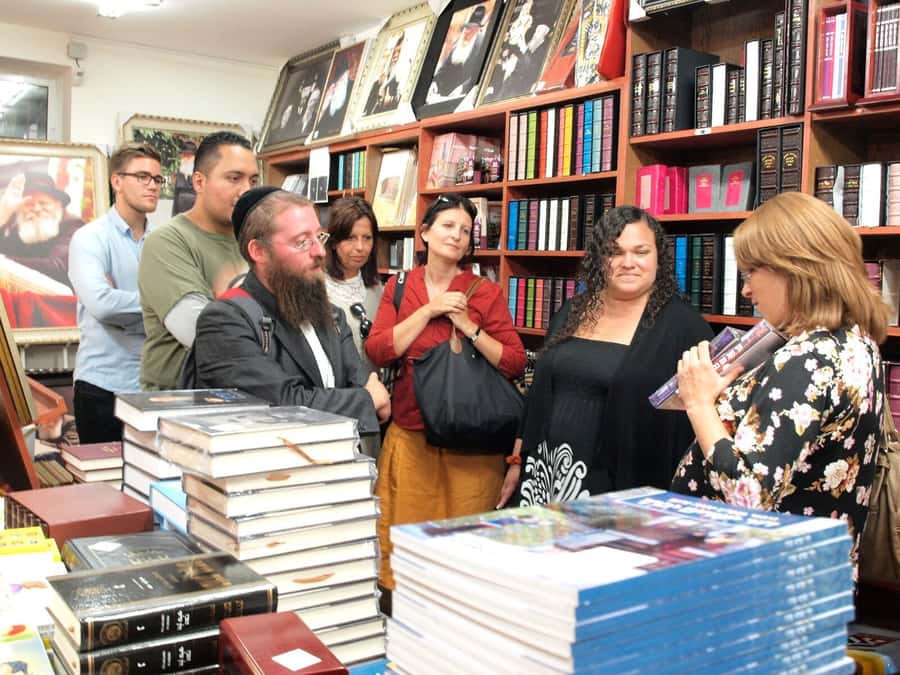
At $53 per person, this is not the cheapest walking tour in Jerusalem. It is still fair value if you want a specialist cultural experience led by someone with direct personal knowledge of the subject.
The 150-minute length gives the guide time to cover more than visible customs. A shorter walk might point out clothing, signs, or religious buildings and leave you with a few surface impressions. This tour has room for conversation about marriage, gender roles, food, technology, holidays, charity, and the community’s place in Israel.
You are paying for interpretation and access to a difficult subject, not for food, transport, or entry tickets. Food and drinks are not included. Since the walk is the main activity, wear comfortable shoes and bring water, especially in warm weather.
The pace is a walking pace through city streets. One practical drawback is sound. Street noise can make it difficult to hear the guide in some areas, and one participant suggested that headsets would have helped. Stay close to the guide and ask for a repeat if you miss a point. A small group may be easier to follow, but the available information does not guarantee a particular group size.
The tour starts at the bus stop outside Abraham Jerusalem, at Ha-Nevi’im Street 67. The hostel itself is currently closed, so do not go looking for an open reception desk. Use the bus stop outside as the meeting point.
Dress respectfully before you arrive
The clothing rules are not a minor detail. Shorts and sleeveless shirts are not allowed, and bare shoulders are not acceptable for men or women. Women should bring a scarf or shawl, and everyone should choose modest clothing for the full walk.
You should follow these rules as a sign of respect, not merely to avoid being turned away. This is a residential religious area with its own standards. Dressing properly helps keep the visit comfortable for you and less intrusive for local residents.
Bring a hat, water, and a camera. The camera is useful for street details, but use good judgment. Ask before photographing people, and follow any local instructions about where photography is inappropriate. The provided information does not promise special photography stops or permission to photograph inside religious sites.
The walk takes place in public streets, but public does not mean every activity is open to observation. Some buildings and shops can be explained only from the outside. That is part of the boundary you should expect.
Who will get the most from this experience
I would recommend this tour to you if you have already seen Jerusalem’s major religious sites and want to understand one of its living communities. It is also a strong choice if you enjoy social history, religion, modern Israeli politics, or first-person storytelling.
It suits curious adults and older teenagers who can engage respectfully with sensitive questions. The discussion of marriage, women’s roles, media, and the guide’s departure from the community may be more meaningful to people who want serious cultural context rather than a light sightseeing stop.
It may not suit you if you want to enter every building, sample food, or spend most of the time taking photographs. Food and drinks are not included, and some locations cannot be entered. It is also not the right pick if you are unwilling to follow modest dress rules.
The tour can work well as a counterpoint to visits elsewhere in Jerusalem. After seeing famous religious monuments, you get a chance to think about how faith operates in homes, shops, schools, synagogues, and weekly routines.
A few limits to keep in mind
The tour’s greatest strength, its insider perspective, also calls for balance. One person’s experience cannot represent every ultra-Orthodox group in Jerusalem. The guide can offer detail and personal insight, but you should still treat his account as one perspective.
The former-member angle can bring a critical eye, which is useful when a subject is often presented through stereotypes. It can also mean that the experience is shaped by personal history. Listen for explanation rather than expecting a final verdict on the community.
The walk is also dependent on the conditions of an active neighborhood. Noise, street activity, and local restrictions can affect how much you hear and see. This is a real place with real rules, not a performance arranged around a tourist schedule.
Those limits do not cancel the value of the experience. They simply set the right expectations. You are getting a guided conversation in a neighborhood, with some outside views and plenty of explanation, rather than a fully open cultural tour.
Should you book the Meet the Orthodox Jews Tour?
Book it if you want a thoughtful look at ultra-Orthodox life and are willing to approach the community with respect. The combination of a traditional neighborhood, a former insider guide, and open discussion makes this a strong choice for anyone seeking context beyond Jerusalem’s headline sights.
At $53, the price makes sense for 150 minutes of focused guiding, especially if your interests include religion, family life, Israeli society, or personal stories of change. Just remember the tradeoffs: modest clothing is required, food is not included, some sites cannot be entered, and street noise may occasionally affect the talk.
If you want a polished sightseeing route with guaranteed indoor access, choose another activity. If you want to ask hard questions and understand why this community lives as it does, this tour is worth booking.
FAQ
Where does the tour meet?
Meet at the bus stop outside Abraham Jerusalem, at Ha-Nevi’im Street 67 in Jerusalem. The hostel is currently closed.
How long does the tour last?
The walking tour lasts 150 minutes.
What language is the tour conducted in?
The tour is conducted in English with a live guide.
What does the tour include?
The price includes a guided walking tour in Jerusalem.
Are food and drinks included?
No. Food and drinks are not included.
Can you enter all the shops and religious buildings?
No. Some places cannot be entered because local community rules forbid it. You will see some locations from the outside while the guide explains their purpose.
What should you wear?
Modest clothing is required. Do not wear shorts or sleeveless shirts, and avoid bare shoulders. Women should bring a scarf or shawl.
Can you cancel the booking?
You can cancel up to 24 hours in advance for a full refund. You can also reserve now and pay later.
Recently added around Jerusalem
- Holy Jerusalem Full Day Tour from Jerusalem★ 5.0 · 3 reviews
- Half day tour bethlehem prices per Van up to 6 pax★ 5.0 · 3 reviews
- jerusalem classic tour★ 5.0 · 3 reviews
- Private Walking Tour in Jerusalem’s Old City★ 5.0 · 3 reviews
- Private Tour to the Culinary World of Jerusalem Market★ 5.0 · 3 reviews
- Private Tour Bethlehem and the Dead Sea★ 5.0 · 3 reviews
- From Jerusalem: Masada Sunrise, Ein Gedi & Dead Sea★ 5.0 · 3 reviews
- Jerusalem Like a Local: Customized Private Tour★ 5.0 · 3 reviews
Jerusalem Tours, compared.

From Jerusalem: Masada & Dead Sea Full Day Tour with Pick Up
Read our review →
From Jerusalem: Nazareth and Sea of Galilee Tour
Read our review →

From Jerusalem/Tel Aviv: Bethlehem and Dead Sea Day Tour
Read our review →
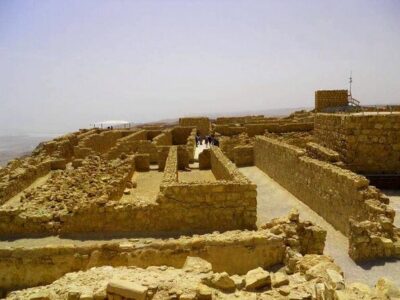
Masada, Ein Gedi and The Dead Sea from Jerusalem
Read our review →Browse the lists this tour appears in