
Reviewed · JERUSALEM TOURS
Jerusalem: City of David, Underground Jerusalem Day Tour
Jerusalem’s past is most vivid below street level, where the City of David excavations reveal ancient homes, mosaic floors, ritual baths, and a wall built by King Hezekiah. This tour links those remains with the Old City, Mount Zion, the Western Wall, and the Mount of Olives, giving you a useful sweep of biblical and later Jerusalem in one long day.
I like the mix of views and archaeology. The Mount of Olives gives you a clear look across the Old City, while the excavated Cardo and the 2,700-year-old wall show what lies beneath today’s streets. I also like the human touch from guides such as Daniel and Moti, who are praised for engaging explanations and a steady pace.
The catch is the pace. You will walk for about three hours, sometimes through tight underground spaces, and admission fees are not included. One poor experience also involved missed stops, weak narration, and a muddled ticket purchase, so the quality of your day depends heavily on the guide and how closely the route is followed.
Key points to know before booking
- The City of David is the main event: See 3,000-year-old excavations, ancient homes, mosaic floors, and a mikveh.
- The day joins several parts of Jerusalem: Expect Mount of Olives views, Mount Zion, the Old City, the Western Wall, and the City of David.
- Underground passages can feel tight: This tour may not suit you if you dislike confined spaces.
- Plan for substantial walking: About three hours on foot makes comfortable shoes essential.
- Extra costs need attention: Entry fees, food, and drinks are not included, and cash may be needed for the four synagogues.
- Dress modestly: Shorts, short skirts, and sleeveless shirts are not allowed.
Why the City of David gives this tour its focus
The City of David is not simply another stop on a Jerusalem sightseeing route. It is where the city’s earliest story becomes physical. Instead of viewing old stones from a distance, you move among excavations that expose homes, walls, and daily-life details from thousands of years ago.
The tour visits a section of Jerusalem associated with a 3,000-year-old settlement. You can see excavated foundations, ancient domestic spaces, original mosaic floors, and a mikveh, a Jewish ritual bath. These details matter because they turn biblical-era Jerusalem into something more understandable. A wall is impressive, but a home floor or bathing complex helps you picture how people lived.
The underground setting also changes the feel of the visit. You descend several meters below the modern city and find yourself in an older layer of Jerusalem. That shift is memorable, but it is not effortless. Tight squeezes are part of the experience, and one participant specifically found the route difficult because of confined spaces.
Your guide is especially important here. The excavations need explanation, since ruins can otherwise become a sequence of stones and dates. Daniel received praise for making the City of David interesting and for connecting historical and religious subjects. Moti was also praised for his patience, personable manner, and sensible pace. Those are useful qualities on a long day underground.
More City Tours in Jerusalem
- Jerusalem: Guided Walking Tour of the Old City
★ 4.7 · 386 reviews - Full Day City Tour of Jerusalem
★ 4.1 · 367 reviews - From Jerusalem Small group tour Old&New City ENTRY FEES INCL
★ 4.0 · 135 reviews
Starting above the Old City at the Mount of Olives
The day begins with a broad view toward Jerusalem from the Temple Mount area, followed by a drive along the Kidron Valley toward Zion Gate. The Mount of Olives is one of the best places to get your bearings because it lets you see the Old City as a whole rather than as a maze of lanes.
From the Mount of Olives, the Jewish cemetery spreads across the slope below. At the base, the route includes the ancient tombs known as Yad Avshalom and Beni Hazir, along with a tomb possibly associated with Zechariah. The wording matters here: one of these identifications is not certain, so you should expect interpretation rather than a proven answer carved in stone.
The route also includes the Garden of Gethsemane and the Church of All Nations. These stops add a strong Christian layer to a day otherwise weighted toward Jewish and biblical archaeology. You are not seeing isolated monuments. You are moving through a corridor where burial traditions, religious memory, and the changing city meet.
The Mount of Olives portion is also where the tour’s photo value is strongest. You get a panoramic view before spending much of the day in lanes and excavations. I would pay close attention here, since the later Old City sections are more intimate and enclosed.
One caution is important. One account of the tour said the Mount of Olives was skipped, along with other planned stops. That does not mean it will always be omitted, but it is a reminder to confirm the day’s route with your guide at the start.
Mount Zion and the Tomb of David
The tour continues to Mount Zion, where you stop at the Tomb of David. The site is important within Jewish tradition and gives the day a clear religious focus before you enter the Old City.
Do not expect a long independent visit here. The tour is packed, so the value comes from the guide’s explanation and from seeing how Mount Zion fits between the Mount of Olives and the Old City. With a strong guide, this stop helps connect the biblical city to Jerusalem’s later religious identity.
You then enter the Old City through Zion Gate. This is a practical transition, but also a good one visually. The gate leads you from open views and modern roads into the dense network of historic quarters. From this point, the day becomes more about close-up remains, restored buildings, and walking.
Entering the Old City through the Cardo
Inside the Old City, the route reaches the Cardo, the ancient main street associated with Byzantine Jerusalem. About 1,500 years ago, this was a major urban thoroughfare. Today, its excavated and restored sections let you see the basic plan of the old city beneath the present one.
I like this part because it shows that Jerusalem has not been rebuilt once and left untouched. It has been altered layer by layer. A modern street, an old Roman or Byzantine route, and much older foundations can occupy the same general space.
The tour also stops at four beautifully restored Sephardi synagogues dating from the seventeenth and early eighteenth centuries. These buildings add a different kind of historical evidence. The City of David shows early settlement and domestic life, while the synagogues reveal the religious life of a much later Jewish community.
Bring cash for the synagogue admission if required. One person was not warned about this extra payment, which caused frustration. Since entry fees are excluded from the $89 tour price, you should ask early in the day which sites require separate payment and how much you need.
A different kind of day out of Jerusalem:
- From Jerusalem: Masada & Dead Sea Full Day Tour with Pick Up
★ 4.5 · 815 reviews - Masada and the Dead Sea Day Trip from Jerusalem
★ 4.5 · 757 reviews - From Jerusalem: Nazareth and Sea of Galilee Tour
★ 4.5 · 588 reviews - From Jerusalem: Half-Day Bethlehem Guided Tour
★ 4.7 · 568 reviews
The Jewish Quarter’s 2,700-year-old wall
The Jewish Quarter contains one of the tour’s most striking archaeological moments: the exposed foundation of a wall associated with King Hezekiah and biblical Jerusalem. The remains are about 2,700 years old, and the route takes you below the present street level to see them.
This is where the tour’s title, Underground Jerusalem, really earns its place. You are not just walking through an old neighborhood. You are looking at the city’s lower layers and seeing how much of ancient Jerusalem remains under the current one.
The nearby complex of homes is about 2,000 years old. Its original mosaic floors and mikveh offer a close look at ordinary spaces, not only royal or religious landmarks. I find these remains easier to remember than a list of rulers because they suggest how people moved through rooms, washed, and decorated their homes.
The route requires stairs or changes in level and steady walking. The tour is not suitable for wheelchair users, and it is not a good choice for anyone who needs a gentle, mostly level outing. An 85-year-old participant reportedly had to leave during the day after the walking became too difficult. If you have mobility concerns, ask direct questions before booking rather than relying on the broad phrase full-day sightseeing.
A brief pause at the Western Wall
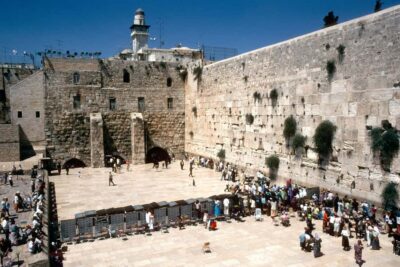
The Western Wall, or Kotel, receives a short stop. You have time to approach the wall and place a note between its stones, a familiar custom for many visitors.
The stop is brief because the tour has a lot to cover. That is both an advantage and a limitation. You get to see one of Jerusalem’s central religious sites without spending the entire day there, but you may want a separate visit if you hope for quiet reflection or a slower look at the plaza.
Dress rules apply throughout the tour. Shorts, short skirts, and sleeveless shirts are not allowed, so modest clothing is the safest choice from the start. This is especially important for a route that includes the Western Wall and synagogues.
Leaving through the Dung Gate for the City of David
After the Western Wall, you leave the Old City through the Dung Gate and continue to the City of David excavations. The name is blunt, but the route is logical. The gate leads toward the archaeological area linked to the earliest city, and the tour moves from later religious landmarks back toward Jerusalem’s oldest layers.
This final section can be the most rewarding part of the day, but it can also expose weaknesses in the guiding. Underground archaeology needs clear storytelling. One disappointing account described almost no narration in the City of David, leaving the person to listen to other groups for explanations. That is a serious problem because the site’s value depends on understanding what you are seeing.
I would ask your guide to point out the main excavated areas and explain the age and purpose of each one. If ticket buying is required, clarify the process before reaching the entrance. One group lost time because the City of David tickets were not handled well.
The City of David also demands stamina. By the time you reach it, you may already have walked through the Mount of Olives, Mount Zion, the Jewish Quarter, the Cardo, the synagogues, and the Western Wall. The underground section is not a quick add-on. It is the archaeological centerpiece at the end of a demanding route.
What the $89 price really covers
At $89 per person, the tour offers useful value if you want transport, a guide, and a single organized route through several hard-to-link parts of Jerusalem. Hotel pickup and drop-off are included, as is transport by air-conditioned coach. That saves you from arranging several separate rides and working out how to connect the Mount of Olives with the Old City and City of David.
The price does not include entry fees, food, or drinks. This is important because the tour visits several sites where admission may apply. The four synagogues may require cash, so keep money available and ask which fees are due before the group starts moving.
The value is strongest for first-time visitors who want a historical framework. A good guide can explain why the Cardo, Hezekiah’s wall, the Tomb of David, the Western Wall, and the City of David belong in the same story. You also avoid spending time figuring out transport between distant points.
The price is less attractive if you plan to visit only the holy sites. One person chose another half-day tour for those locations and visited the City of David separately. That approach can give you more control, though it also means arranging transport and paying for a taxi. There was also a complaint about an expensive taxi after the tour, so confirm exactly where drop-off will occur before the group disperses.
Guides, pace, and the importance of narration
The tour is offered in English. The strongest comments singled out Daniel and Moti. Daniel was described as engaging and able to connect religious and historical material, while Moti was praised for a kind manner and a pace that suited the group.
Those qualities matter more here than on a simple sightseeing drive. You spend time in places where the meaning is not obvious, and you move through spaces that can be crowded, enclosed, or visually confusing. A guide who explains clearly can turn the day from a march through ruins into a readable story.
The day is also shaped by the group. A slower participant can affect the schedule, especially with three hours of walking and several changes in level. If you are bringing an older family member or anyone with limited stamina, this is not the kind of tour to book casually.
The rating of 4.4 from 19 reviews suggests a generally positive experience, but the small number also means you should read the practical conditions carefully. The praise centers on the information, the archaeological content, and the guides’ personal approach. The criticism centers on missed stops, poor narration, ticket handling, political comments, and the physical demands.
Who should book this Jerusalem day tour
I would choose this tour if you want one organized day that combines:
- Biblical Jerusalem and archaeological excavations
- Jewish and Christian sites
- Panoramic views from the Mount of Olives
- The Old City’s Cardo and Jewish Quarter
- A short visit to the Western Wall
- The underground remains of the City of David
It suits adults and older children who can walk for several hours and manage underground spaces. Children under four are not accepted, and the route is not suitable for wheelchair users.
I would think twice if your priority is a slow religious visit, a relaxed pace, or complete control over each stop. The itinerary is full, the Western Wall visit is brief, and the City of David comes after a long stretch of sightseeing. Claustrophobia is another real concern because of the tight squeezes underground.
Book with realistic expectations. This is not a gentle introduction to Jerusalem. It is a packed history day that asks you to keep moving, listen carefully, and pay for some entries separately.
Final verdict: a strong archaeology day with practical cautions
I would book this tour if the City of David is high on your list and you want it placed within the wider story of Jerusalem. The ancient wall, underground homes, mosaic floors, mikveh, Cardo, and mountain views give you more depth than a tour focused only on famous holy sites.
The best version of the day will have a guide like Daniel or Moti, who explains the remains and keeps the pace humane. Before setting off, confirm that the Mount of Olives and other promised stops are included, ask about entry fees, and make sure you have cash for the synagogues if needed.
At $89, the included coach transport, hotel pickup and drop-off, and full-day guiding can make good sense. Just remember that the tour is physically demanding and that a weak guide or poorly managed ticket stop can reduce its value. If you enjoy archaeology and can handle the walking, this is one of the more rewarding ways to see Jerusalem’s oldest layers.
FAQ
How much does the City of David Underground Jerusalem day tour cost?
The tour costs $89 per person.
What is included in the tour?
A guide, transport by air-conditioned coach, and hotel pickup and drop-off are included.
Are entry fees included?
No. Entry fees are not included. Food and drinks are also excluded. Cash may be needed for admission to the four synagogues.
How much walking is involved?
The itinerary includes about three hours of walking.
Is the tour suitable for children?
The tour is not suitable for children under four years old.
Is the tour accessible for wheelchair users?
No. The tour is not suitable for wheelchair users.
What should I wear?
Shorts, short skirts, and sleeveless shirts are not allowed. Wear modest clothing suitable for visits to religious sites.
Recently added around Jerusalem
- Holy Jerusalem Full Day Tour from Jerusalem★ 5.0 · 3 reviews
- Half day tour bethlehem prices per Van up to 6 pax★ 5.0 · 3 reviews
- jerusalem classic tour★ 5.0 · 3 reviews
- Private Walking Tour in Jerusalem’s Old City★ 5.0 · 3 reviews
- Private Tour to the Culinary World of Jerusalem Market★ 5.0 · 3 reviews
- Private Tour Bethlehem and the Dead Sea★ 5.0 · 3 reviews
- From Jerusalem: Masada Sunrise, Ein Gedi & Dead Sea★ 5.0 · 3 reviews
- Jerusalem Like a Local: Customized Private Tour★ 5.0 · 3 reviews
Jerusalem Tours, compared.

From Jerusalem: Masada & Dead Sea Full Day Tour with Pick Up
Read our review →
From Jerusalem: Nazareth and Sea of Galilee Tour
Read our review →

From Jerusalem/Tel Aviv: Bethlehem and Dead Sea Day Tour
Read our review →
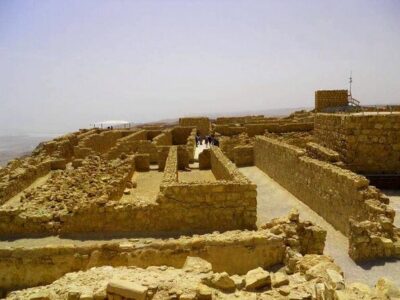
Masada, Ein Gedi and The Dead Sea from Jerusalem
Read our review →Browse the lists this tour appears in