
Reviewed · JERUSALEM TOURS
Hebron & Ramallah Full-Day Guided Tour from Jerusalem
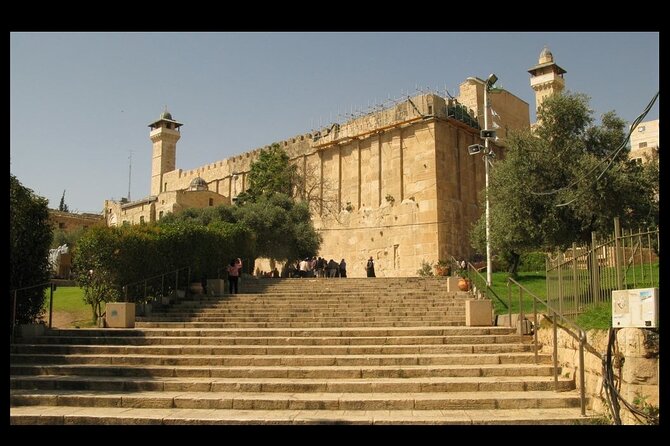
This is a politically charged day trip that takes you beyond Jerusalem’s usual sights and into two major Palestinian cities. You’ll cross checkpoints, pass the Separation Wall, visit Arafat’s Tomb, and enter Hebron’s Ibrahimi Mosque, also known as the Cave of the Patriarchs.
I like the tour’s focus on direct local context, especially the chance to walk through Ramallah and Hebron rather than simply view them from a coach. I also like the small maximum group of 15 and the guide-led format. On one reported outing, guide Mohammed even arranged conversations with students in Ramallah, a useful touch that can turn a sightseeing day into a human exchange.
The main drawback is the price: $230 per person before lunch and the 10 NIS admission fee for Arafat’s Tomb. The day is also politically and emotionally demanding, with long road sections and checkpoint delays possible, so this is not a light, easy city excursion.
Key points to know before booking
- Ramallah gives you a close look at Palestinian civic life: Visit Arafat’s Tomb, walk busy streets, and learn why the city functions as the de-facto Palestinian capital in the West Bank.
- The route crosses a divided region: You pass through Pisgat Ze’ev, Kufr Akab, the Separation Wall, Ma’ale Adumim, Bethany, and roads with different access rules.
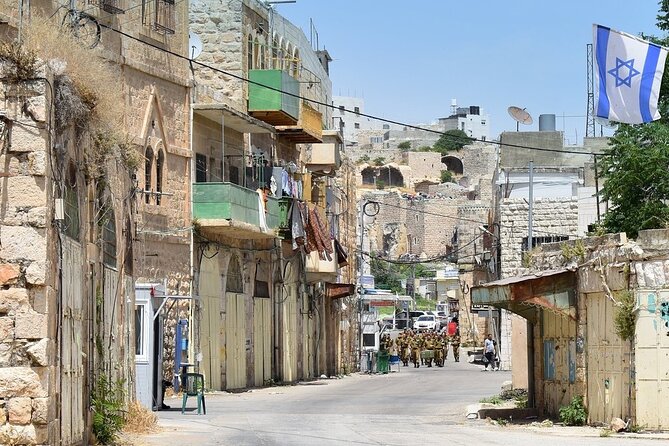
- Hebron is the day’s most difficult stop: The Cave of the Patriarchs, Israeli settlements, Palestinian neighborhoods, farms, and travel restrictions all form part of the discussion.
- You get time in Hebron’s market: The tour includes a walk through the market and time for shopping, not just a quick photo stop.
- The group stays fairly small: A maximum of 15 people makes it easier to hear the guide and ask questions.
- Plan for conservative dress: Wear long trousers or a long skirt, a shirt covering the shoulders and neck, and light loose clothing in hot weather.
Why this day trip is different from a standard Jerusalem tour
Many day trips from Jerusalem keep you within familiar biblical and historic sites. This one asks you to look at the region through the experience of Palestinian cities and the restrictions that affect movement between them and Jerusalem.
The tour begins at 8:30 a.m. at the YMCA Three Arches Hotel on King David Street. From there, you travel by air-conditioned vehicle toward the northern edge of Jerusalem. The first part of the route passes through Pisgat Ze’ev and then toward Ramallah, entering through a checkpoint to reach Kufr Akab.
That route matters. Kufr Akab is divided from Jerusalem by the Separation Wall, even though the neighborhood is closely tied to the city. You are not simply driving from one attraction to another. The road itself introduces the political geography that shapes the rest of the day.
Your guide provides the interpretation, which is important here. Without context, a checkpoint, wall, settlement, or restricted road can look like an isolated fact. With a guide, you can connect those sights to questions about access, administration, and daily movement.
The experience is conducted from a Palestinian perspective, and that is a major reason to choose it. If you want a tour that presents several competing political narratives in equal detail, this may not be the right fit. If you want to understand how separation and travel controls affect Palestinian communities, the focus is directly relevant.
more Jerusalem days to consider
- From Jerusalem: Masada & Dead Sea Full Day Tour with Pick Up
★ 4.5 · 815 reviews - Full Day City Tour of Jerusalem
★ 4.1 · 367 reviews - Old and New Jerusalem Full-Day Tour
★ 4.0 · 273 reviews
Ramallah and Arafat’s Tomb
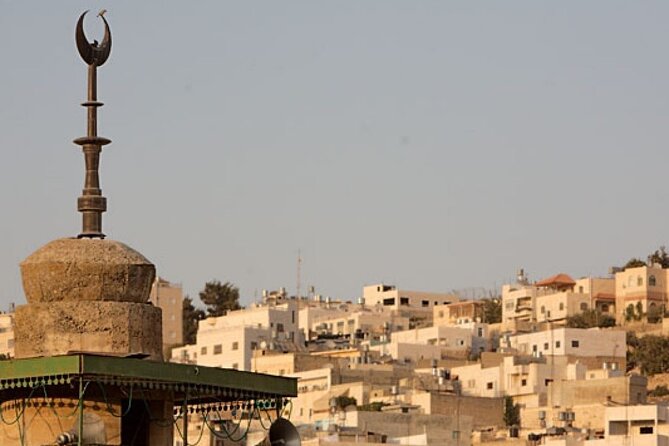
Ramallah is the first main stop, with about two hours set aside for Arafat’s Tomb and a walk through the city. The tour describes Ramallah as the de-facto capital for Palestinians in the West Bank, so this is more than a monument visit. You get a look at the city as a working political and urban center.
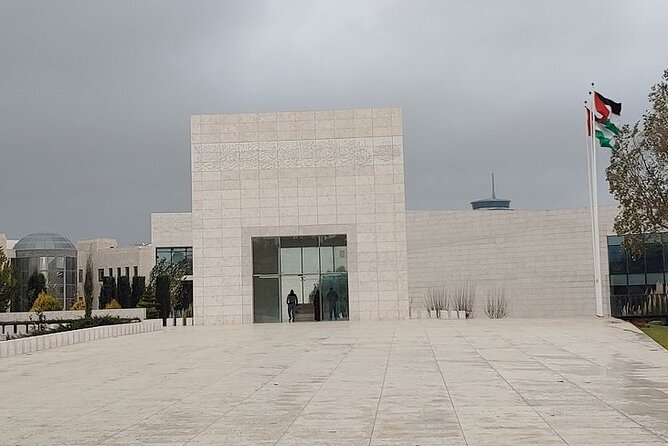
Arafat’s Tomb is located at the Muqata’a, the Palestinian Authority compound. The admission fee is 10 NIS and is not included in the tour price. Bring a little local currency or be prepared to pay this small extra cost separately.
The tomb itself is a focused stop, but the surrounding streets give the visit more meaning. You can expect to walk through a busy part of Ramallah and hear about the city’s role in Palestinian public life. The guide may also help you engage with local people. On one tour, Mohammed found students willing to speak with the group, which added a personal layer to the visit.
I especially value that possibility because political tours can become too abstract. A conversation with students can shift the focus from maps and policies to ordinary ambitions, frustrations, and daily routines. It also gives you a chance to ask questions in a more natural setting, although any conversation will depend on the day and the people available.
Do not expect a long list of conventional tourist attractions in Ramallah. The appeal is the city itself, its streets, its political importance, and the chance to see a Palestinian urban center outside Jerusalem. Two hours should give you enough time for the tomb and a walk, but it will not cover the city in depth.
The tour then leaves Ramallah for the southern part of the West Bank. This transition is one of the day’s most informative stretches.
From Ma’ale Adumim through the Judean Desert
After Ramallah, the vehicle travels through the Judean Desert, passing Ma’ale Adumim and Bethany, identified with the Tomb of Lazarus. These are not listed as extended walking stops. Instead, they form part of the road journey and the guide’s explanation of the region.
You travel for part of the route on a highway shared by Israelis and Palestinians. Later, the vehicle continues through Wadi al-Na’ar on roads restricted to Palestinians and tourists. That contrast helps explain how movement can vary from one nearby road to another.
This section takes about two hours. It is a long transfer, but it is not empty time. The views and roadside communities provide a moving geography lesson, and the guide can explain how settlements, villages, highways, and access rules fit together.
I would keep your expectations practical. You are not stopping at every place named along the route, and the tour is not a desert hike. You are seeing these areas from the vehicle while moving toward Hebron. The air-conditioned transport is especially welcome in hot weather, and the vehicle keeps the day manageable despite the long distance.
The route also shows why this experience needs a full day. Ramallah and Hebron are not neighboring stops that can be covered quickly from Jerusalem. Checkpoints, road restrictions, and the need to cross several distinct areas make timing less predictable than on a normal sightseeing loop.
Entering Hebron and visiting the Cave of the Patriarchs
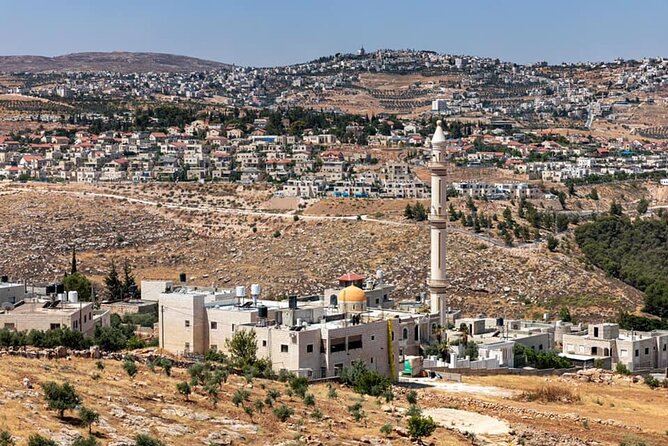
Hebron is the most historically important and politically difficult stop. The final part of the route passes Palestinian farms and villages, Israeli settlements, and areas affected by home demolitions and travel restrictions.
The city is divided into zones with different forms of administration and access. You do not need to arrive with a detailed map, but you should be ready for a complicated explanation. The guide’s role is to show how these arrangements affect people living and working in Hebron, not just to point out landmarks.
The tour includes a visit to the Ibrahimi Mosque, also called the Cave of the Patriarchs. This is one of the major sacred sites in the region and is associated with Abraham, Isaac, Jacob, Sarah, Rebecca, and Leah. The information supplied for this tour does not promise a specific interior route or access time, so expect the visit to depend on conditions at the site.
Dress carefully for Hebron. The city is religious and socially conservative, and the requested standard is stricter than what many visitors wear in Jerusalem. The safest choice is long trousers for men and women, a shirt covering the shoulders and reaching close to the neck, and loose, light clothing if the weather is hot. The only skin that should normally show is the face, lower arms, and hands.
This is not the place for shorts, sleeveless tops, or casual beach clothing. Dressing properly is both a practical entry concern and a sign of respect. It also saves you from spending part of the morning wondering if your clothing is acceptable.
The Cave of the Patriarchs can be a powerful stop, but it may also feel tense. Sacred space, political control, security arrangements, and competing claims all meet here. If you prefer uncomplicated religious sightseeing, this visit may be uncomfortable. If you want to understand why Hebron is central to the region’s conflicts, it is essential.
A different kind of day out of Jerusalem:
- Masada and the Dead Sea Day Trip from Jerusalem
★ 4.5 · 757 reviews - From Jerusalem: Nazareth and Sea of Galilee Tour
★ 4.5 · 588 reviews - From Jerusalem: Half-Day Bethlehem Guided Tour
★ 4.7 · 568 reviews - Jerusalem/Tel Aviv: Bethlehem, Jericho and Jordan River Tour
★ 4.6 · 526 reviews
Hebron’s market and the value of walking
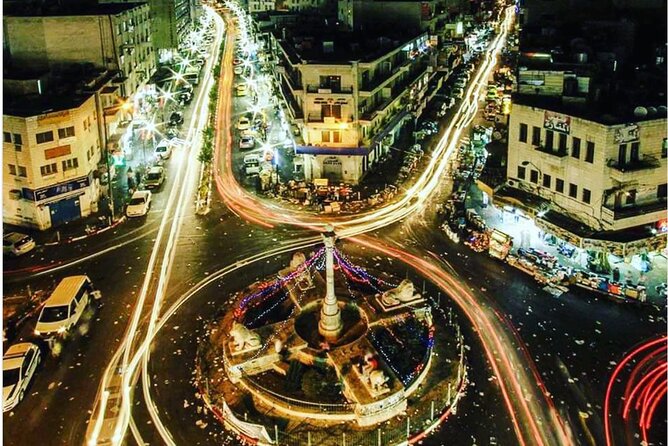
After the religious site, the group walks through Hebron’s market with time for shopping. This helps balance the day’s political discussion with a more ordinary view of city life.
A market walk lets you see the city at street level. You can browse goods, observe how shops operate, and experience the narrow commercial routes rather than viewing Hebron only through the vehicle window. The time for shopping is useful, though the tour does not specify which products are sold or how much time you will have to bargain.
The market also gives you a chance to reset after the Cave of the Patriarchs. The day covers heavy subjects, including home demolitions and restrictions on movement. A walk through shops and streets does not erase those issues, but it shows that Hebron is also a lived-in city with commerce, families, and routines.
You should keep your purchases modest unless the guide gives clear advice about what can be transported across checkpoints. The tour information does not promise a particular shopping specialty, so treat the market as a local street experience rather than a guaranteed souvenir stop.
The Hebron portion lasts about two hours, including the religious site and market visit. That is enough for an introduction, but not enough for a detailed exploration of the city. The tour gives you a concentrated first look, then returns to Jerusalem at the end of the day.
What the $230 price includes
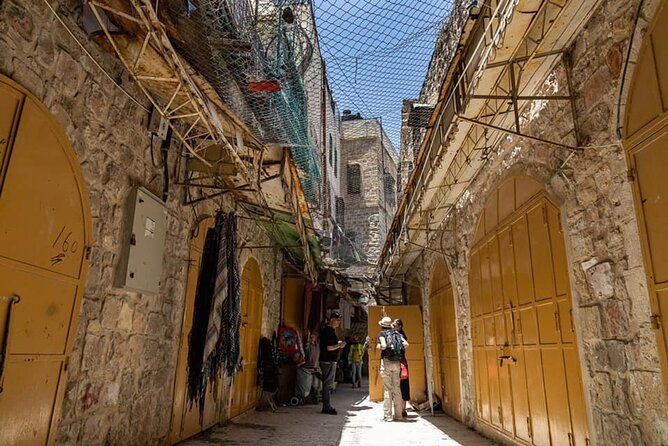
The $230 cost is high compared with a basic Jerusalem day tour, but the comparison is not quite fair. You are paying for an eight-hour cross-border-style route, an air-conditioned vehicle, a guide, a small group capped at 15, and access to places that can be difficult to visit independently.
The price does not include lunch or the 10 NIS admission fee at Arafat’s Tomb. You should plan for those costs before setting out. The supplied details do not specify a lunch stop or meal arrangement, so bring money and ask the guide early about when and where you will eat.
For me, the value depends on your purpose. If you want a checklist of famous sights, the price may feel steep because several named locations are viewed from the road. If you want an organized introduction to Ramallah and Hebron, with the practical benefit of a guide handling the route, the cost is easier to justify.
The small group helps. A maximum of 15 is not private touring, but it is much more workable than a large coach. You should be able to hear explanations, ask questions, and stay connected during walks through Ramallah and Hebron.
The tour is also booked, on average, 37 days in advance. That suggests you should reserve early if your Jerusalem schedule is fixed. Confirmation arrives at booking, and free cancellation is available up to 24 hours before the 8:30 a.m. start time. Changes or cancellations inside that 24-hour window are not accepted for a refund.
Timing, fitness, and documents
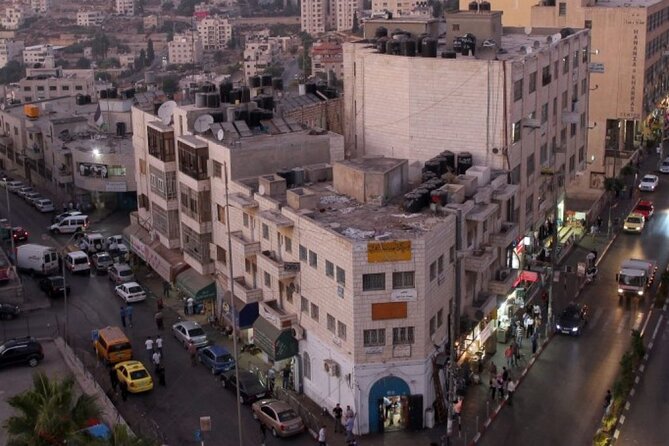
The tour runs for about eight hours and ends back at the YMCA Three Arches Hotel. The start point is central, but you need to arrive ready for a full day that mixes vehicle time with walking.
A moderate fitness level is requested. You should be comfortable walking through city streets, standing at sites, and getting in and out of the vehicle. The information does not describe steep hikes or long trails, but the day is active enough that supportive shoes make sense.
Bring a current valid passport. It is required on the day of travel, and you should not assume that a passport photo or another form of identification will be enough.
Service animals are allowed, and the meeting point is near public transportation. The tour uses an air-conditioned vehicle, which matters during hot months and on the long desert and southern West Bank drives.
Conditions can change on the road, particularly at checkpoints. The tour details do not promise an exact return time beyond the approximate eight-hour duration, so avoid booking an evening activity that requires a tight connection.
Who will appreciate this tour most
I would recommend this experience to you if you want political and social context alongside historic sites. It suits people who are willing to listen, ask respectful questions, and accept that the day may raise more questions than it answers.
It is a strong choice if you have already seen Jerusalem’s main monuments and want to understand the surrounding Palestinian cities. The combination of Ramallah’s political importance, the road through the Judean Desert, and Hebron’s religious and political divisions gives the day a clear progression.
It may also suit students, journalists, educators, and anyone studying the Israeli-Palestinian conflict. The guide-led format gives you a framework for the places you see, while the possibility of meeting students in Ramallah can add a useful personal perspective.
I would think twice if you want a relaxed day of scenic stops, shopping, and easy sightseeing. The subject matter is serious, the route is long, and the political discussion may be intense. It is also not ideal for anyone unwilling to follow conservative dress rules or carry a passport.
Should you book the Hebron and Ramallah tour?
Book it if your goal is to see Palestinian cities directly and understand how walls, checkpoints, settlements, and travel rules shape the region. The strongest parts are the walk through Ramallah, the chance for a personal exchange with local students, the Cave of the Patriarchs, and time in Hebron’s market.
Skip it if you want a neutral-feeling highlights tour or a gentle day away from difficult subjects. At $230, the experience earns its price through organization, transport, and access to places that are not simple independent day trips from Jerusalem. Go with respectful clothing, a valid passport, patience for the road, and room in your schedule for the day to take its own pace.
FAQ
Where does the tour start?
The tour starts at 8:30 a.m. at the YMCA Three Arches Hotel, King David Street 26, Jerusalem.
Where does the tour end?
The activity ends back at the same meeting point, the YMCA Three Arches Hotel.
How long does the tour last?
The tour lasts approximately eight hours.
Is lunch included?
No. Lunch is not included in the tour price.
Is the admission fee for Arafat’s Tomb included?
No. Admission costs 10 NIS and must be paid separately.
Do I need to bring a passport?
Yes. A current valid passport is required on the day of travel.
What should I wear in Hebron?
Wear long trousers or similarly modest clothing, with a shirt that covers the shoulders and reaches close to the neck. Light, loose clothing is recommended in hot weather, and shorts are not appropriate for men or women.
Recently added around Jerusalem
- Holy Jerusalem Full Day Tour from Jerusalem★ 5.0 · 3 reviews
- Half day tour bethlehem prices per Van up to 6 pax★ 5.0 · 3 reviews
- jerusalem classic tour★ 5.0 · 3 reviews
- Private Walking Tour in Jerusalem’s Old City★ 5.0 · 3 reviews
- Private Tour to the Culinary World of Jerusalem Market★ 5.0 · 3 reviews
- From Jerusalem: Masada Sunrise, Ein Gedi & Dead Sea★ 5.0 · 3 reviews
- Private Tour Bethlehem and the Dead Sea★ 5.0 · 3 reviews
- Jerusalem Like a Local: Customized Private Tour★ 5.0 · 3 reviews
Jerusalem Tours, compared.
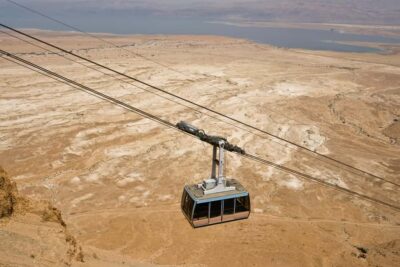
From Jerusalem: Masada & Dead Sea Full Day Tour with Pick Up
Read our review →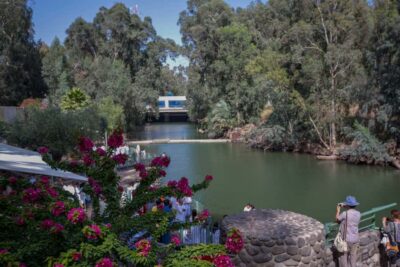
From Jerusalem: Nazareth and Sea of Galilee Tour
Read our review →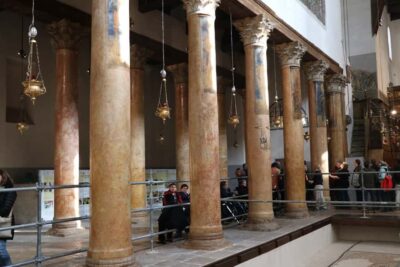

From Jerusalem/Tel Aviv: Bethlehem and Dead Sea Day Tour
Read our review →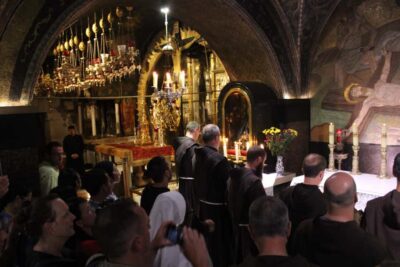
Masada, Ein Gedi and The Dead Sea from Jerusalem
Read our review →Browse the lists this tour appears in