
Reviewed · JERUSALEM TOURS
From Jerusalem: Origins of Christ in Jerusalem Day Tour
Jerusalem makes you work for its best sights. This full-day tour begins high on Mt. Olives, then walks downhill through some of the city’s most important Christian and Jewish sites before entering the Old City through Lion’s Gate. You get big views, quiet church courtyards, ancient stones, and the first stretch of the Via Dolorosa in one long day.
I like the 123-language display of the Lord’s Prayer at Pater Nostra, a small detail that makes the site feel personal rather than merely historic. I also like the Roman pavement beneath the Sisters of Zion Convent, where soldiers carved games into the stone. Those marks give you a direct, human link to the past.
The trade-off is simple: this is a serious walking day, with about three hours on foot and a fair amount of religious and historical explanation. If you expect every stop to focus tightly on Jesus, parts of the tour may feel broader than expected. Guide Dan has received especially warm praise, but guide assignments can vary.
Key points to know before you book
- Mt. Olives opens the day with the best city view: You see Jerusalem from above before walking down toward the Old City.
- Pater Nostra displays the Lord’s Prayer in 123 languages: It is one of the tour’s most distinctive details.
- Dominus Flevit links faith with a sweeping view: The site recalls Jesus weeping over Jerusalem and foreseeing its destruction.
- Lion’s Gate leads into the Old City: From here, the route moves through Bethesda, St. Anne, and the beginning of the Via Dolorosa.
- Roman soldiers’ games remain carved in stone: The pavement beneath the Sisters of Zion Convent is an easy-to-miss but memorable stop.
- Three hours of walking shape the day: Good shoes, modest clothing, water, and patience matter more here than they do on a bus sightseeing tour.
Starting high on Mt. Olives
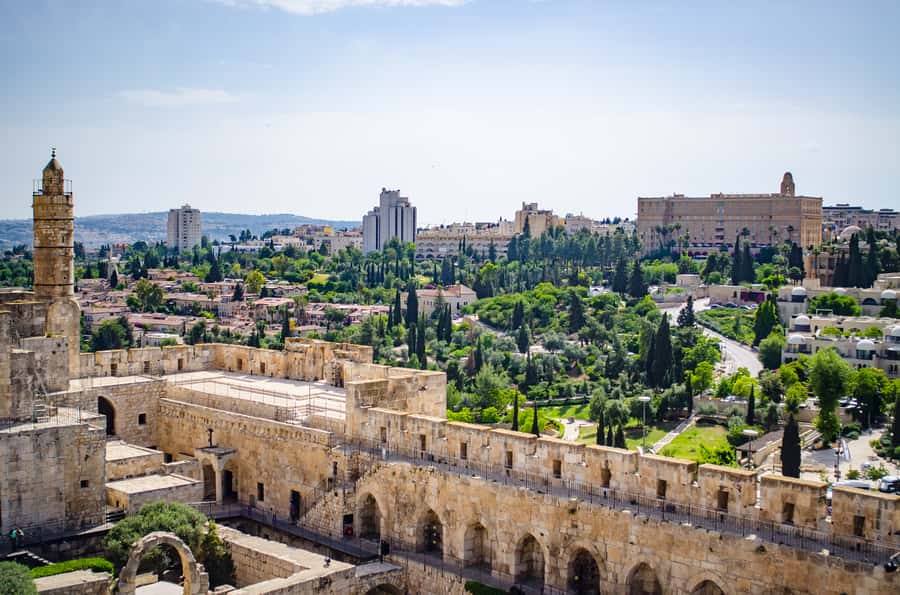
The tour begins on Mt. Olives, where you visit the place associated with Jesus’ Ascension. Starting at the summit is a smart choice. You get the major view first, then make your way down toward Jerusalem rather than spending the day climbing up to it.
From the top, you can take in Jerusalem spread below you. The view helps make sense of the city’s layout, especially the relationship between Mt. Olives, the Kidron Valley, and the Old City. I find this kind of opening useful because it gives the rest of the day a clear physical shape.
The Ascension site itself is important to Christian pilgrims, but your experience will depend on how much time the guide spends explaining the setting and traditions. This is not presented as a single-site visit with a long independent stop. It is the first part of a connected route.
Expect a mix of standing, walking, listening, and taking in the view. The tour uses an air-conditioned vehicle for transport between points, but it is not a ride-through sightseeing trip. You should be ready to leave the vehicle and walk at each major stop.
Other Jerusalem days travellers combine with this one:
- From Jerusalem: Masada & Dead Sea Full Day Tour with Pick Up
★ 4.5 · 815 reviews - Masada and the Dead Sea Day Trip from Jerusalem
★ 4.5 · 757 reviews - From Jerusalem: Nazareth and Sea of Galilee Tour
★ 4.5 · 588 reviews
Pater Nostra and the Lord’s Prayer in 123 languages
Pater Nostra is one of the most memorable stops because of its unusual visual detail. The Lord’s Prayer is displayed in 123 languages, giving you a reason to pause beyond the usual stone walls and religious symbols.
I like how this stop connects Jerusalem’s local setting with the worldwide reach of Christianity. You can look for a language that matters to you, or simply take in the sheer number of translations. It is also a good reminder that this route attracts people for different reasons: faith, architecture, family heritage, history, or simple curiosity.
The site is part of the religious story connected with Jesus and his teaching. Your guide provides the setting, while the language panels give you something concrete to examine. If you prefer active sightseeing to long stretches of explanation, this stop helps keep the day varied.
The tour is conducted in English, so you should be comfortable following spoken historical and religious commentary. One positive feature of this experience is the chance to ask questions along the way. Dan, one of the guides associated with the tour, has been singled out for answering questions carefully and making the day feel personal, especially during a birthday visit.
Down to Dominus Flevit and the view toward Jerusalem
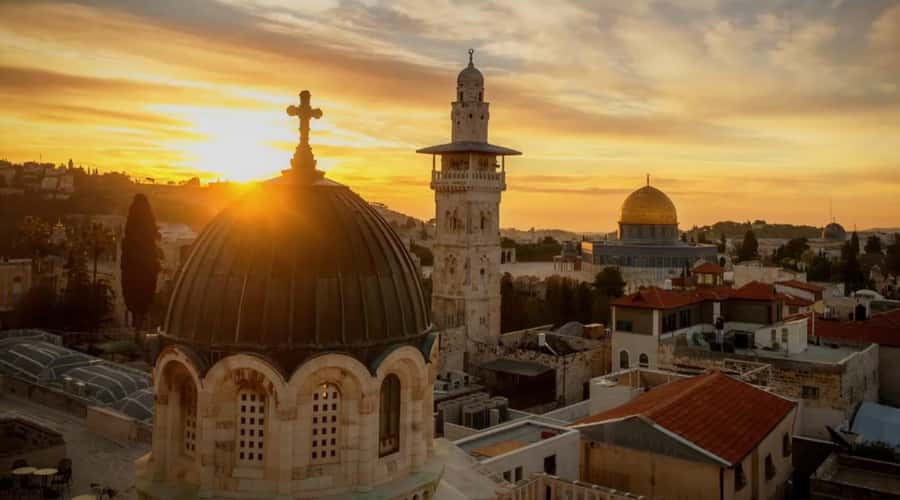
The route then descends to Dominus Flevit, the place connected with Jesus weeping as he foresaw the destruction of Jerusalem. The name and story give this stop a more emotional tone than a simple lookout point.
The setting matters. From here, the city below helps explain why Jerusalem appears so often in religious stories as a place of hope, conflict, grief, and longing. You are not only hearing about an event. You are standing where the city itself forms part of the lesson.
This section also shows why comfortable footwear is essential. A downhill route can be tiring in a different way from a climb, especially on uneven surfaces. The tour description allows about three hours of walking overall, so do not treat the day as a gentle coach excursion.
Dominus Flevit is also a good place to slow down and take photographs, though the exact time available will depend on the guide and the pace of the group. I would avoid planning another demanding activity for the evening. Ten hours is a full day, and the final Old City section still requires attention and energy.
Gethsemane and the Kidron Valley
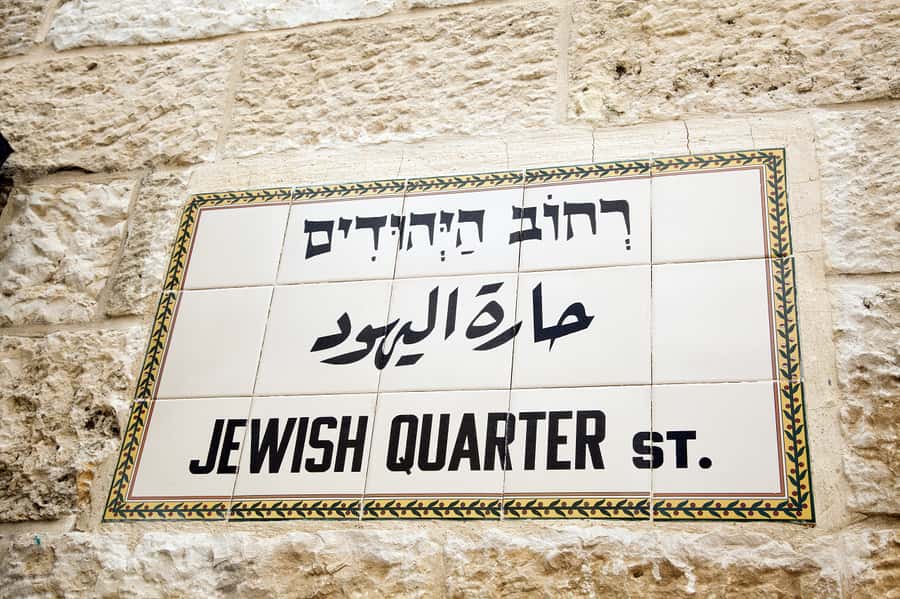
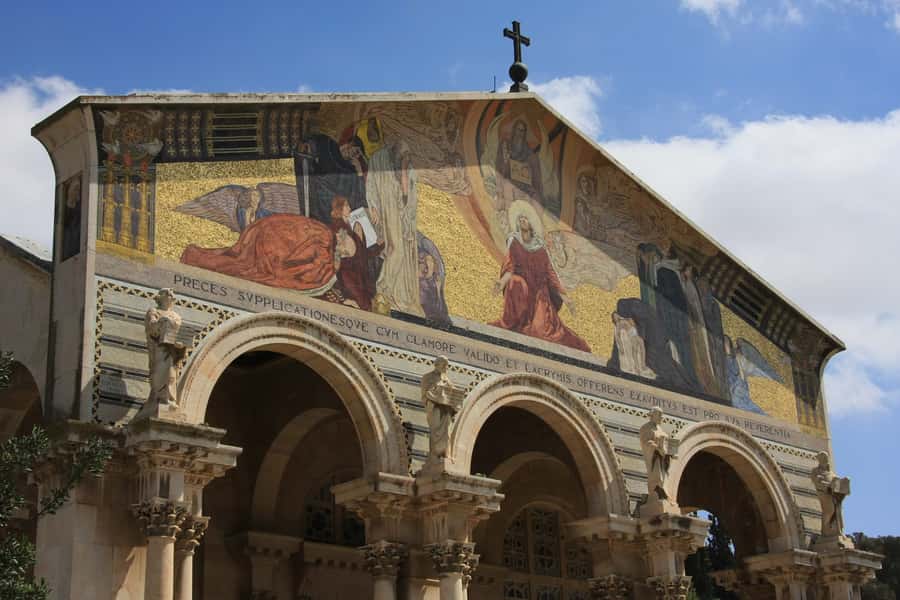
From Dominus Flevit, the tour continues to the Church of All Nations in the Garden of Gethsemane. This part of the route brings you closer to the events associated with Jesus’ final days in Jerusalem.
The Garden of Gethsemane adds a quieter counterpoint to the city streets. You move from the broad view above Jerusalem to a more focused place of prayer and memory. The Church of All Nations gives the stop a formal religious setting, while the garden connects it to the outdoor setting described in Christian tradition.
You also see the Jewish cemetery in the Kidron Valley. This is an important reminder that Jerusalem’s sacred geography is shared by more than one faith and cannot be understood through a single story alone. One limitation is that this wider historical context may be more than some people expect from a tour advertised around the origins of Christ.
That broader approach can work well if you want the sites placed in their Jerusalem setting. If you want only Gospel locations with little discussion of the city’s wider past, you may find parts of the day less focused than expected. The guide’s skill matters here. A strong guide can connect the subjects instead of treating them as disconnected facts.
A different kind of day out of Jerusalem:
- From Jerusalem: Half-Day Bethlehem Guided Tour
★ 4.7 · 568 reviews - Jerusalem/Tel Aviv: Bethlehem, Jericho and Jordan River Tour
★ 4.6 · 526 reviews - From Jerusalem/Tel Aviv: Bethlehem and Dead Sea Day Tour
★ 4.7 · 484 reviews - Nazareth and the Sea of Galilee Day Trip from Jerusalem
★ 4.5 · 446 reviews
Entering the Old City through Lion’s Gate
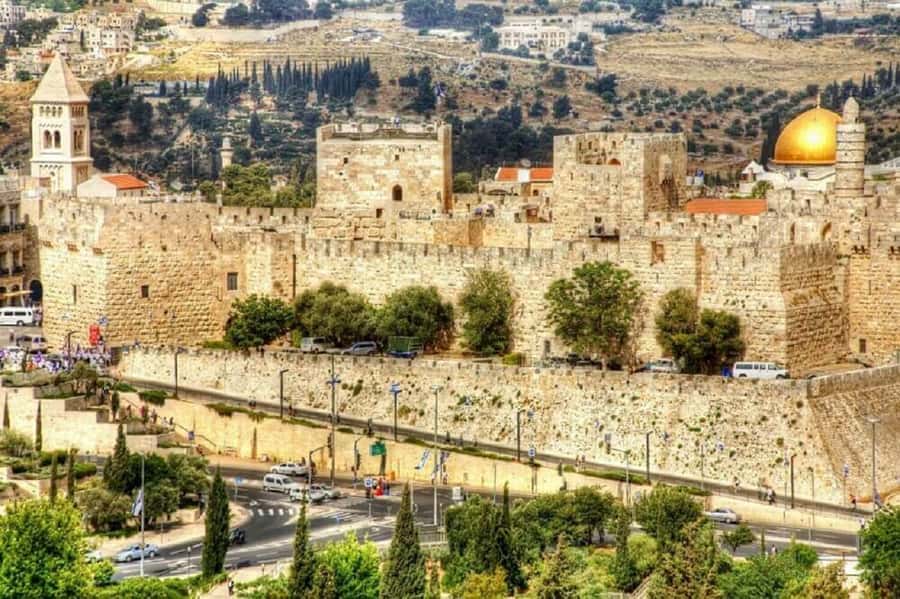
The route enters Jerusalem’s Old City through Lion’s Gate. This gives the day a clear change of mood. You leave the open views and valley paths behind and move into a tighter urban setting filled with stone lanes, religious landmarks, and layers of history close together.
Lion’s Gate is also known as the entry point toward the Christian Quarter and the early part of the Via Dolorosa route. Entering here makes practical sense because the next stops are clustered inside the Old City.
You should expect more stops and starts once inside. Narrow passages, religious sites, and other people can slow the pace. One person who took the tour noted long waits and bus transfers before meeting the guide, so the exact meeting and transfer arrangements deserve attention when you book. The included pickup and drop-off are useful, but the full day may include some waiting around the transport portions.
The air-conditioned vehicle is a welcome part of the package, especially in warm weather. Still, it does not remove the need for walking shoes or weather-appropriate clothing. Dress respectfully for religious places and prepare for several hours on your feet.
Bethesda and the Church of St. Anne
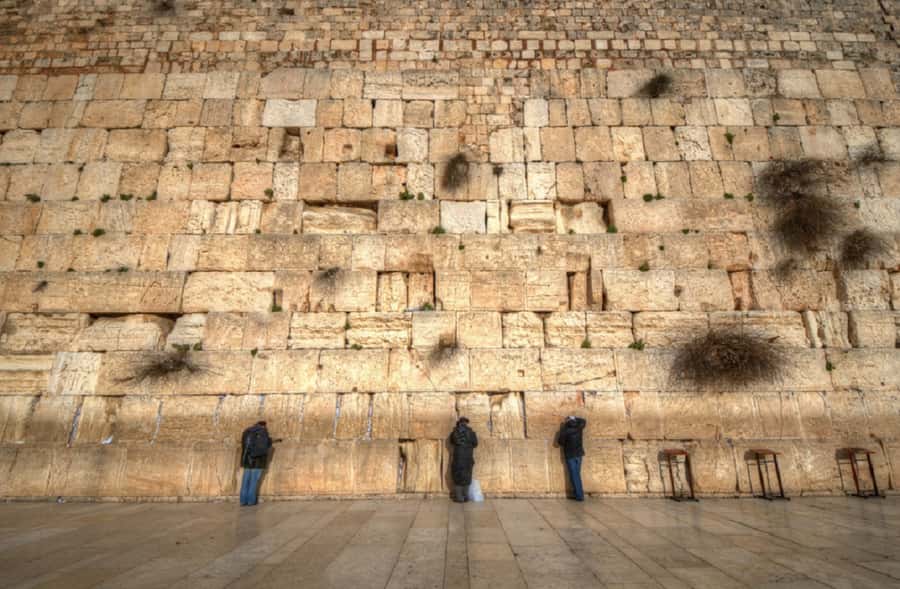
Inside the Old City, the tour visits the pools of Bethesda on the grounds of the Church of St. Anne. St. Anne is associated with the mother of Mary, and the site adds another layer to the Christian story.
The pools are valuable because they show Jerusalem as a functioning ancient city, not only as a backdrop for later religious events. Water systems, public spaces, religious buildings, and streets all help explain how people lived and moved through the city.
The Church of St. Anne grounds also contain ancient games carved into the pavement. These marks are a small but excellent detail. They show ordinary behavior in a place usually discussed only in terms of major events and famous figures.
I often find details like these more useful than another long list of dates. Roman soldiers once played games on the stone, and the marks remain. You can look down and see evidence of daily life rather than relying only on written interpretation.
The tour description identifies St. Anne as the mother of Mary, but you should expect the guide to place the church and pools within a larger religious and historical setting. If one stop is crowded or access is limited, the value of the visit still comes from the surrounding grounds and the explanation of what stood here.
Beneath the Sisters of Zion Convent
The route continues underneath the Sisters of Zion Convent, where you see ancient pavement engraved with games played by Roman soldiers. This is one of the tour’s strongest stops for anyone who likes physical evidence.
The stone is not grand in the usual sense. It does not rely on a famous façade or a huge view. Its appeal comes from the marks left by people who were passing time. That makes the past feel close and ordinary.
This stop also prepares you for the beginning of the Via Dolorosa. The pavement and the convent connect the city’s Roman period with the Christian route you are about to follow. Your guide can help you understand how later religious tradition and earlier urban remains occupy the same small area.
You may want to slow down here, but the pace is guided and the group must keep moving. This is one reason a private visit and a group tour feel different. The listed price of $89 per person makes a guided group format appealing, but it also means you will not control every stop’s length.
The first steps of Via Dolorosa
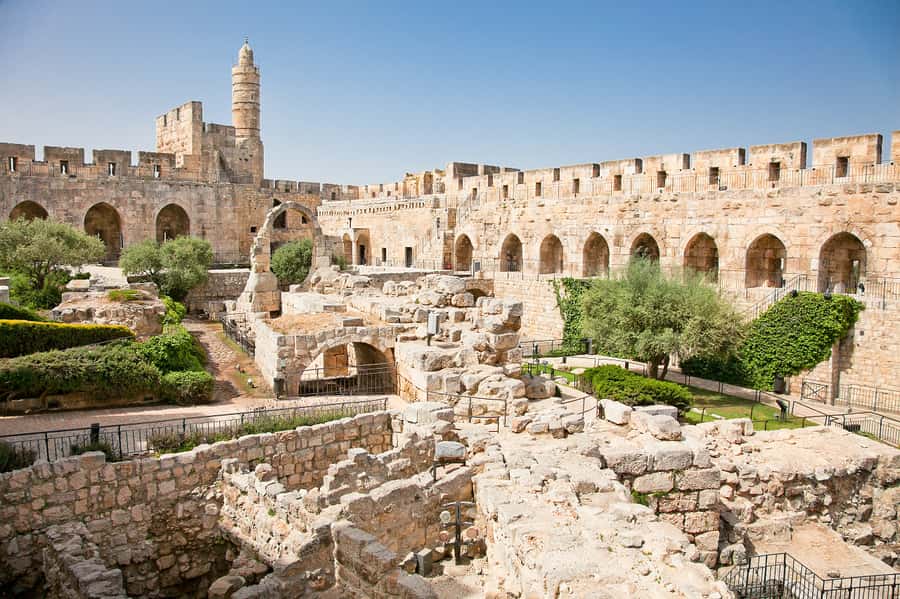
The day finishes around the starting point of Via Dolorosa, also called the Way of the Cross. You do not simply hear the name and move on. The route brings you to the opening section so you can understand where the traditional path begins.
For Christian visitors, this may be the most anticipated part of the tour. You are walking through the Old City in the setting associated with Jesus’ final journey. For other visitors, the route still offers a useful way to read Jerusalem’s streets, religious traditions, and layers of memory.
It is important to understand what this tour covers. The experience reaches the starting point of Via Dolorosa rather than promising a complete walk of every station. If following the entire route is your main goal, check the day’s exact stopping point and consider arranging additional time in the Old City.
This distinction can prevent disappointment. The tour gives you a strong introduction to the route and its setting, but it is not described as a full station-by-station pilgrimage.
What the $89 price includes
At $89 per person, the tour offers solid value if you want transportation, an English-speaking guide, pickup and drop-off, and a full day linking sites that would be hard to organize efficiently on your own.
The price does not include entry fees, food, or drinks. That matters because the day lasts 10 hours. You should budget for your own meals and any admissions required at the sites you visit. Since entry fees are not included, check the current cost before booking if you want a precise total.
The value is strongest for first-time visitors who want the major Christian sites explained in context. You are paying for the route, transport, and interpretation, not just access to the places themselves.
The value is weaker if you already know Jerusalem well or prefer to spend long periods at one church or archaeological site. One rating was critical because the day felt more like a general historical tour of Jerusalem than a tightly focused Jesus tour. That is a fair warning. The experience follows Christian landmarks, but it also explains the city around them.
Walking, clothing, and practical comfort
The tour includes about three hours of walking. That is not an extreme amount for Jerusalem, but the duration, slopes, stone surfaces, and standing time can make it feel substantial.
Wear supportive shoes and clothing suitable for religious sites. Bring water and food, since meals and drinks are not included. The vehicle provides relief between sections, but you should not count on riding for most of the day.
This tour is not suitable for children under four or wheelchair users. The walking route and old-city surfaces make that restriction important rather than minor fine print.
The tour is available in English with a live guide. A strong guide can make a large difference, especially because the day covers religious tradition, Roman remains, Jewish heritage, and the physical geography of Jerusalem. Dan has been praised for being warm, responsive, and able to answer questions. If you can request a guide, asking about Dan may be worthwhile, though the supplied information does not promise that he will lead your departure.
Cancellation is flexible up to 24 hours before the tour for a full refund, and you can reserve now and pay later. Those terms help if your Jerusalem plans are still shifting.
Who should book this Jerusalem day tour?
I would recommend this experience to a first-time visitor who wants a guided introduction to Jerusalem’s Christian sites without arranging several separate visits. It suits adults, couples, pilgrims, and history-minded visitors who are comfortable walking and listening for much of the day.
It is also a good fit if you like connecting famous religious sites with ordinary remains. The Lord’s Prayer in 123 languages and the Roman soldiers’ games are the sort of details that make the route more memorable.
I would hesitate if you want a purely devotional tour centered only on Jesus. The itinerary includes the Jewish cemetery, Roman remains, the wider history of Jerusalem, and other subjects that may feel off-topic to someone seeking a narrow Gospel trail.
I would also think twice if you dislike fixed schedules, waiting during transfers, or group pacing. You get convenience and a lower price, but not complete control over how long you spend at each stop.
Should you book it?
Book this tour if you want a full, physically active day that connects Mt. Olives with the Old City and gives you a clear introduction to the beginning of Via Dolorosa. The views, Pater Nostra’s 123 languages, Dominus Flevit, Gethsemane, Bethesda, and the Roman game marks create a varied route.
Skip it if you need wheelchair access, are traveling with a child under four, or want every minute devoted only to Jesus’ life. For most first-time visitors who value context and a capable English-speaking guide, $89 is a reasonable price for the transport and structure. Just bring good shoes, keep your expectations broad, and treat the day as an introduction to sacred Jerusalem rather than a complete pilgrimage.
FAQ
How long does the tour last?
The tour lasts 10 hours.
How much walking is involved?
The itinerary includes about three hours of walking. You should dress for a physically active day and wear comfortable shoes.
Which language is the tour conducted in?
The tour has a live English-speaking guide.
Is transportation included?
Yes. Transportation by air-conditioned vehicle, pickup, and drop-off are included.
Are entry fees included?
No. Entry fees are not included in the price.
Is food or drink provided?
No. Food and drinks are not included, so you should plan for your own refreshments.
Who cannot join this tour?
The tour is not suitable for children under four years old or wheelchair users.
Recently added around Jerusalem
- Holy Jerusalem Full Day Tour from Jerusalem★ 5.0 · 3 reviews
- Half day tour bethlehem prices per Van up to 6 pax★ 5.0 · 3 reviews
- jerusalem classic tour★ 5.0 · 3 reviews
- Private Walking Tour in Jerusalem’s Old City★ 5.0 · 3 reviews
- Private Tour to the Culinary World of Jerusalem Market★ 5.0 · 3 reviews
- From Jerusalem: Masada Sunrise, Ein Gedi & Dead Sea★ 5.0 · 3 reviews
- Private Tour Bethlehem and the Dead Sea★ 5.0 · 3 reviews
- Jerusalem Like a Local: Customized Private Tour★ 5.0 · 3 reviews
Jerusalem Tours, compared.
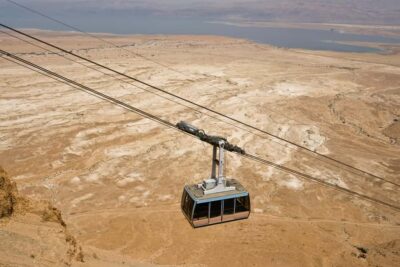
From Jerusalem: Masada & Dead Sea Full Day Tour with Pick Up
Read our review →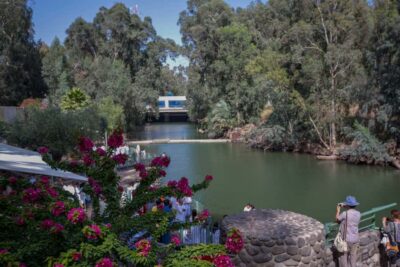
From Jerusalem: Nazareth and Sea of Galilee Tour
Read our review →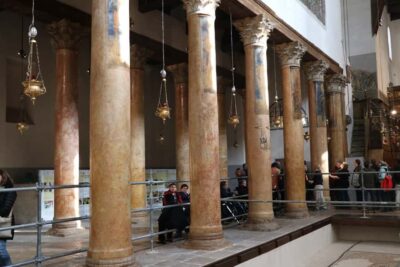
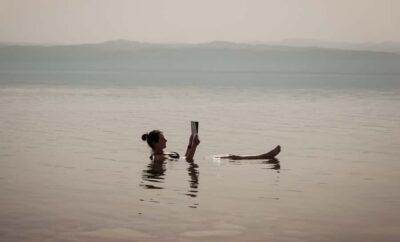
From Jerusalem/Tel Aviv: Bethlehem and Dead Sea Day Tour
Read our review →
Masada, Ein Gedi and The Dead Sea from Jerusalem
Read our review →Browse the lists this tour appears in