
Reviewed · TEL AVIV TOURS
Exclusive Private Tour in The Israel Diamond Exchange
The most surprising part of this experience is how much of the diamond business happens behind ordinary-looking doors in Ramat Gan. Inside the Israel Diamond Exchange, you see the tech systems, hand polishing, live trading, and buying process that most jewelry shoppers never get to watch.
I like two things here: the access is genuinely unusual, and the gemology lesson gives you practical tools for judging a diamond. I also like that the tour is private, with pickup and drop-off from Tel Aviv and nearby areas. The drawback is the security routine. You need a passport, cameras are not allowed, and entering the complex can take a little patience.
Key points to know before you go
- Watch diamonds being cut and polished by hand: The factory visit shows that modern equipment has not replaced every traditional skill.
- See real-time diamond trading: The largest trading hall gives you a look at how business is done inside the exchange.
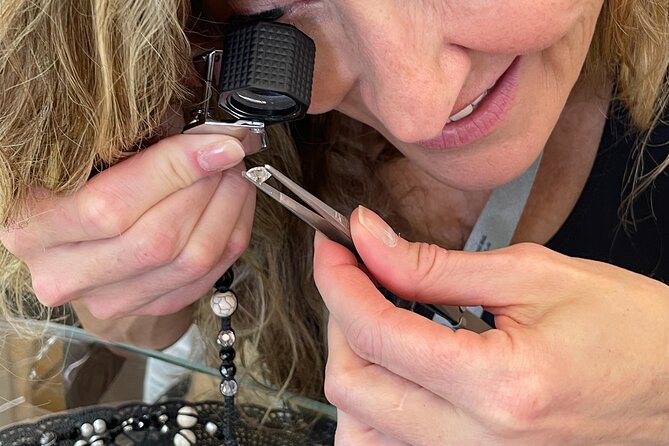
- Learn the four Cs before you shop: The gemology lesson helps you assess cut, color, clarity, and carat more sensibly.
- Travel privately from Tel Aviv: A cab collects you at your chosen location in Tel Aviv or surrounding areas.
- Bring your passport, not your camera: Security is strict, and cameras, weapons, sharp objects, sprays, aerosols, alcohol, and drugs are prohibited.
- Ask about language support: The tour is offered in English, and Michael has provided information in French for some groups.
What the Israel Diamond Exchange tour actually offers
This is not a general jewelry-shopping outing. It is a behind-the-scenes look at the commercial side of diamonds, from technical analysis and cutting to wholesale trading and final buying advice.
You are taken through the Israel Diamond Exchange in Central District Israel, in the Ramat Gan area near Tel Aviv. The complex is described as the largest diamond exchange in the world, and the tour uses that setting to explain how the international diamond trade works.
I would think of this as part industry visit, part short lesson in jewelry buying. You are not simply shown polished stones under bright shop lights. You get to see the people, tools, systems, and decisions behind them.
The private format matters. You do not have to keep pace with a large group, and you can ask questions as the guide explains unfamiliar terms. The tour is conducted in English, and French support may be available from Michael, who has guided French-speaking guests.
The booking information says the activity is valid for three days, so you should check the available starting times rather than assume one fixed departure. The exact time is arranged in advance, and a cab collects you at the scheduled location.
more Tel Aviv days to consider
- Jerusalem Private Full Day Tour
★ 5.0 · 110 reviews - Exclusive Private Tour in The Israel Diamond Exchange
★ 5.0 · 60 reviews - Tel Aviv Airport (TLV) to Tel Aviv Hotels – Private Transfer
★ 4.0 · 59 reviews
Picking up from Tel Aviv and getting through security
Pickup and drop-off are included from a chosen location in Tel Aviv and surrounding areas. The cab details are sent directly to you, which removes one small piece of local transport planning.
The arrival process is more formal than a typical sightseeing stop. Your passport is required to enter the complex, so keep it with you rather than leaving it in your hotel safe.
You also need to leave your camera behind. Cameras are specifically prohibited, along with weapons, sharp objects, sprays, aerosols, alcohol, and drugs. A phone may still be subject to the site’s security rules, so do not count on taking pictures unless the staff clearly permits it.
Security can be the least enjoyable part of the visit. One guest found it annoying, though the guides helped move the process along. That is useful advice: arrive prepared, avoid carrying restricted items, and allow a little extra time for entry.
The strict checks make sense in a working diamond complex, but they do affect the mood. This is an active commercial site, not a relaxed museum where you wander in with a camera around your neck.
The facility is listed as wheelchair accessible. If you use a wheelchair, mention your needs when arranging pickup so the transport and entry process can be handled properly.
The technology area and the modern diamond trade
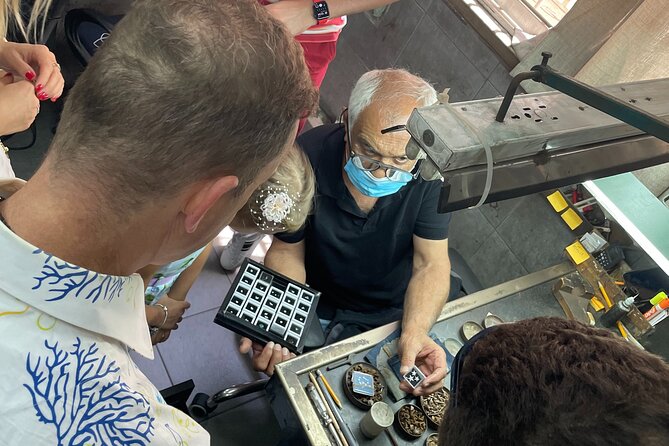
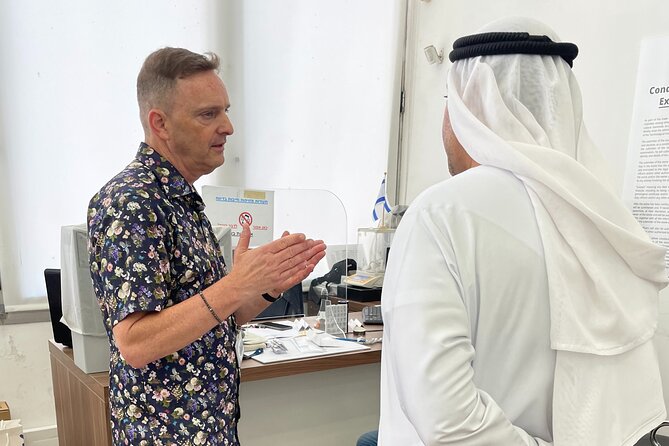
The first major stop is the tech area. Here, you see how professionals use specialized computers to assess stones and help maximize profits.
This is one of the more useful sections if you are curious about the business rather than only the sparkle. A diamond’s price is not based on size alone. Small differences in its qualities can change its value, and technology helps traders examine those differences.
The tour does not turn you into a diamond dealer in one visit. It does show you that pricing is tied to inspection, grading, market judgment, and presentation. That context helps explain why two stones that look similar in a shop window can carry very different price tags.
I would pay close attention to the guide’s explanation of what the computers can do and what still requires human judgment. The contrast between digital tools and hand skills is one of the most interesting themes of the visit.
This stop may appeal most to you if you enjoy seeing specialized work environments. If you only want to see finished jewelry, it may feel technical. Still, the information becomes more useful later, when the guide explains how to judge a stone before purchasing.
Hand cutting and polishing inside the factory
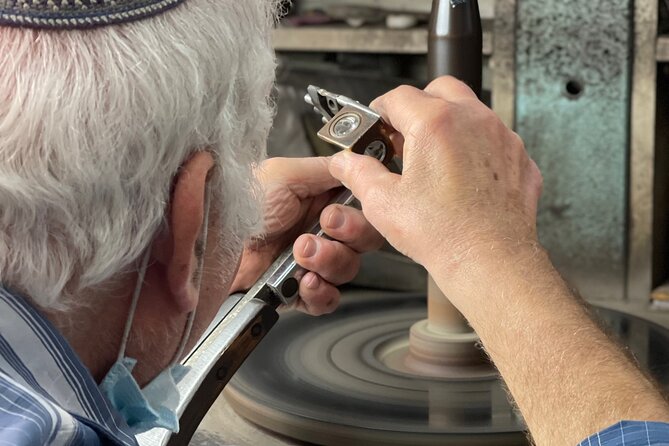
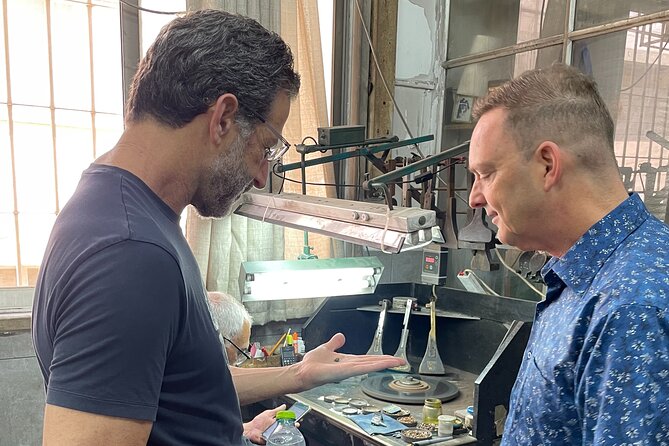
Next comes the diamond cutting and polishing factory. You get a glimpse of how rough stones are shaped into finished diamonds, including work that is still done by hand.
That detail gives this stop its character. Computers can aid inspection and planning, but the final result still depends on careful physical work. Cutting a diamond is not a simple matter of making it smaller. The choices made during cutting affect its shape, light, appearance, and value.
The factory visit also gives you a better sense of the gap between a rough stone and the jewelry-store product you usually see. The finished piece can look effortless. The making of it is not.
The information supplied for this tour does not promise a long workshop session or hands-on cutting. You should expect to observe the process and receive an explanation, rather than operate the tools yourself.
I like this stop because it adds a human element to a trade that can otherwise seem abstract. You see that the stone’s final appearance depends not only on its natural qualities, but also on the skill and choices applied to it.
A different kind of day out of Tel Aviv:
- From Tel Aviv: Masada & Dead Sea Full Day Tour with Pick Up
★ 4.5 · 1,496 reviews - From Tel Aviv: Jerusalem and Bethlehem Guided Day Trip
★ 4.3 · 1,316 reviews - Masada and the Dead Sea Day Trip from Tel Aviv
★ 4.5 · 1,014 reviews - Tel Aviv: Jerusalem, Bethlehem & Dead Sea
★ 4.0 · 881 reviews
Seeing the largest trading hall in action
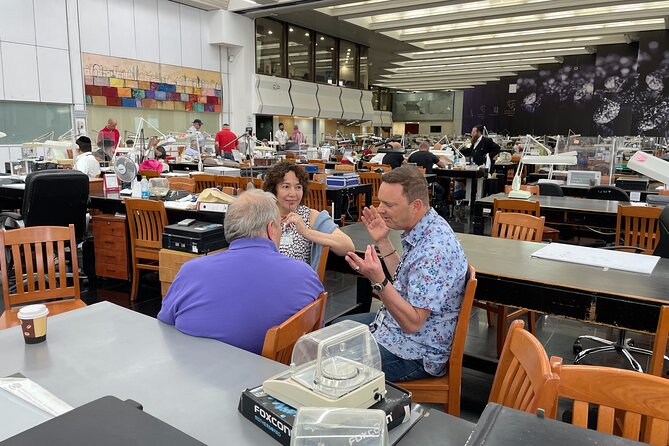
The largest trading hall is where the tour shifts from production to commerce. You learn how diamonds are traded and may see transactions taking place in real time.
This is likely to be the most distinctive stop for anyone interested in international business. A jewelry store is the final retail stage. The trading hall shows you the professional network that comes before the stone reaches a display case.
The atmosphere may feel more like a workplace than an attraction. That is a good thing, but it also means you should not expect a theatrical presentation. You are there to understand how the trade operates while business continues around you.
Your guide explains the unique way diamonds are exchanged and negotiated. Listen for how trust, inspection, quality, and pricing fit together. The tour’s value here lies in seeing the system firsthand, not in simply looking at expensive stones.
Because this is a working complex, access and movement are controlled. Follow instructions closely, and do not assume you can stop wherever you like. The passport and security rules are part of the setting.
The four Cs lesson that can save you money
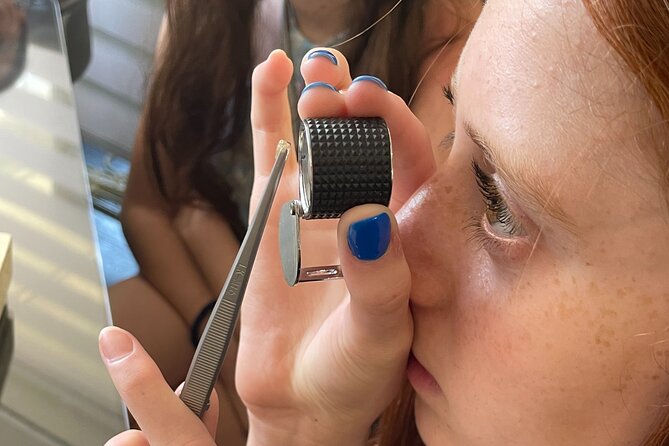
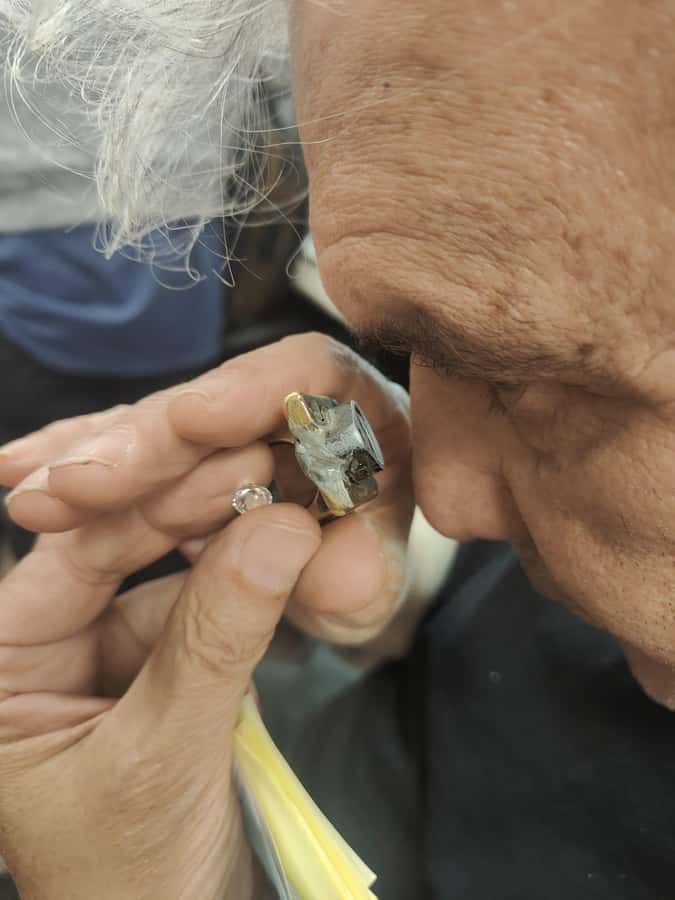
The gemological lesson is the most practical section for anyone who may buy a diamond during or after the tour. You learn about the famous four Cs: cut, color, clarity, and carat.
Carat is weight, not a direct measure of beauty. Cut affects how a stone handles light. Color describes how much tint is visible, while clarity concerns internal and external characteristics. The guide also explains additional points to consider when purchasing diamonds.
This lesson is valuable because jewelry shopping often happens under bright lights and sales pressure. A short course in the basics helps you slow down and ask better questions.
I would bring your own questions, especially if you are considering a purchase. Ask the guide to explain which qualities are visible to the eye, which mainly affect certification and price, and where paying more may offer little visible benefit.
The four Cs are a starting point, not a magic formula. Two diamonds with similar grades may still look different, and personal taste matters. The tour can help you understand the language used by the trade, but you should still compare stones and read any documentation carefully before spending a large amount.
Refreshments are included, which is a small but welcome touch during the visit. The main value remains the instruction and access, not the snacks.
Buying diamonds or jewelry during the visit
You have the opportunity to purchase diamonds or jewelry directly. This can be convenient if you already plan to buy, since you can ask questions immediately after the gemology lesson.
It can also create pressure, even in a private setting. A behind-the-scenes tour may make a purchase feel more special, but you should not let the setting replace ordinary buying discipline.
Before paying, ask about the stone’s grading documentation, the four Cs, the return terms, the final price, and exactly what is included in the jewelry. If you are buying a loose stone, confirm its measurements and certification. If you are buying a ring or other finished item, clarify the metal, setting, and sizing arrangements.
The supplied information does not specify the brands, certificates, return policy, taxes, or payment methods available for purchases. That means you should ask directly before committing. The tour teaches you how to look, but it does not remove the need to make a careful buying decision.
If you are not shopping, you can still benefit from the visit. The purchase option is there, but buying is not the whole point of the experience.
Is $60 a fair price?
At $60 per person, this tour offers reasonable value if you want access to a working diamond complex rather than a standard retail demonstration. Pickup and drop-off, the private guide, refreshments, the factory visit, the trading hall, and the gemology lesson are included.
The price looks especially fair for a private group. A private guide can adjust explanations to your interests, answer questions without a crowd, and help with the security process. That personal attention is more useful here than on a simple photo stop.
Still, value depends on your curiosity. If diamonds, manufacturing, and wholesale trade do not interest you, the visit may feel specialized. You are paying for access and explanation, not for a long list of famous sights.
The price also does not include the cost of any diamond or jewelry you choose to buy. Treat the $60 as the admission and learning cost, then judge any purchase separately.
I would book it as an unusual Tel Aviv-area activity, especially if you have already seen the main city sights. It offers a different side of Israel, one based on craft, commerce, and international connections.
Who will enjoy this private visit most?
I would recommend it to several types of people:
- You are curious about how luxury goods are made and sold.
- You are considering buying a diamond and want a better grounding in the four Cs.
- You enjoy unusual workplace visits more than standard sightseeing.
- You prefer private tours where you can ask many questions.
- You are visiting Tel Aviv and want an activity outside the usual historic and beach stops.
- You have an interest in business, technology, craftsmanship, or international trade.
Families may enjoy it if older children or teenagers are interested in jewelry and manufacturing, though the formal security setting may be less appealing to very young children. The available information does not specify a minimum age, so ask before booking for a young child.
The tour also works well for couples or small groups who want to combine a private outing with the option of shopping. Just agree in advance that learning comes first and buying is optional.
Practical advice for a smoother visit
Keep your passport easy to reach. You need it for entry, and showing up without it could prevent access to the complex.
Do not bring a camera. Avoid restricted items, including sharp objects and aerosols, and expect security screening.
Wear something comfortable enough for standing and walking through several sections of a working facility. The tour includes different areas, from technology and factory work to trading and instruction, so it is not just one seated talk.
Use the booking notes to confirm your pickup point and starting time. Since the activity is valid for three days rather than tied to one single daily departure, availability matters.
If you need French, ask about Michael when arranging the tour. The listed tour language is English, but French-language help has been available.
Finally, decide before you arrive how seriously you are considering a purchase. If you know your budget and priorities, the four Cs lesson will be much easier to apply.
Should you book the Israel Diamond Exchange tour?
Book this if you want a rare look at the diamond trade, appreciate private guiding, or may buy a diamond and want to ask smarter questions first. The hand polishing, live trading hall, and direct gemology lesson give the visit more substance than a simple showroom stop.
Skip it if you want a relaxed, camera-friendly attraction or have no interest in diamonds, business, or manufacturing. Security is strict, and the setting is a functioning commercial complex.
For the right person, $60 is a sensible price for access that is not normally available to the public. Go with your passport, leave the camera at home, and treat the shopping opportunity as optional. The strongest reason to book is the chance to see how diamonds move from technical work to professional trade, then learn how to judge the finished stone for yourself.
FAQ
Where does the Israel Diamond Exchange tour take place?
The tour takes place at the Israel Diamond Exchange in Israel’s Central District, in the Ramat Gan area near Tel Aviv.
How much does the tour cost?
The listed price is $60 per person.
How long is the activity?
The booking information says the activity is valid for three days. You need to check availability for the available starting times.
Is pickup included?
Yes. Pickup and drop-off are included from a chosen location in Tel Aviv and surrounding areas. A cab collects you at the scheduled time, and its details are sent directly to you.
What language is the tour offered in?
The tour is offered in English. Michael has also provided information in French for some French-speaking groups.
Do I need a passport?
Yes. You must bring a passport to enter the Israel Diamond Exchange complex.
Can I take photographs?
No. Cameras are not allowed inside the complex.
Is the tour wheelchair accessible?
Yes. The activity is listed as wheelchair accessible.
Can I buy diamonds or jewelry during the tour?
Yes. You have the opportunity to purchase diamonds or jewelry directly during the visit. The tour also includes a lesson on the four Cs and other points to consider when buying.
Recently added around Tel Aviv
- Jaffa Flea Market Tasting Tour★ 5.0 · 3 reviews
- Early Christianity in Galilee Private Tour★ 4.5 · 3 reviews
- Privet walking tour in Tel Aviv-Yafo★ 5.0 · 3 reviews
- Bar Crawl tour with local in Tel-Aviv★ 5.0 · 3 reviews
- Package VIP Skip Line Services in BGN Airport with Transfer to Tel aviv Hotels★ 5.0 · 3 reviews
- Food & Drink Private Guided Tour in Tel Aviv★ 5.0 · 3 reviews
- Tel Aviv: Carmel Market & Neighborhood Guided Walking Tour★ 4.7 · 3 reviews
- Tel Aviv Like a Local: Customized Guided Tour by Lokafy★ 5.0 · 3 reviews
Tel Aviv Tours, compared.

From Tel Aviv: Masada & Dead Sea Full Day Tour with Pick Up
Read our review →
From Tel Aviv: Jerusalem and Bethlehem Guided Day Trip
Read our review →

From Tel Aviv: Guided Day Trip to Nazareth & Sea of Galilee
Read our review →
From Tel Aviv: Jerusalem Old & New City Bus Tour
Read our review →
From Tel Aviv: Caesarea, Haifa and Akko Day Trip
Read our review →
From Tel Aviv: Masada, Ein Gedi & Dead Sea Tour
Read our review →
Caesarea, Rosh Hanikra and Acre Day Trip from Tel Aviv
Read our review →Browse the lists this tour appears in