
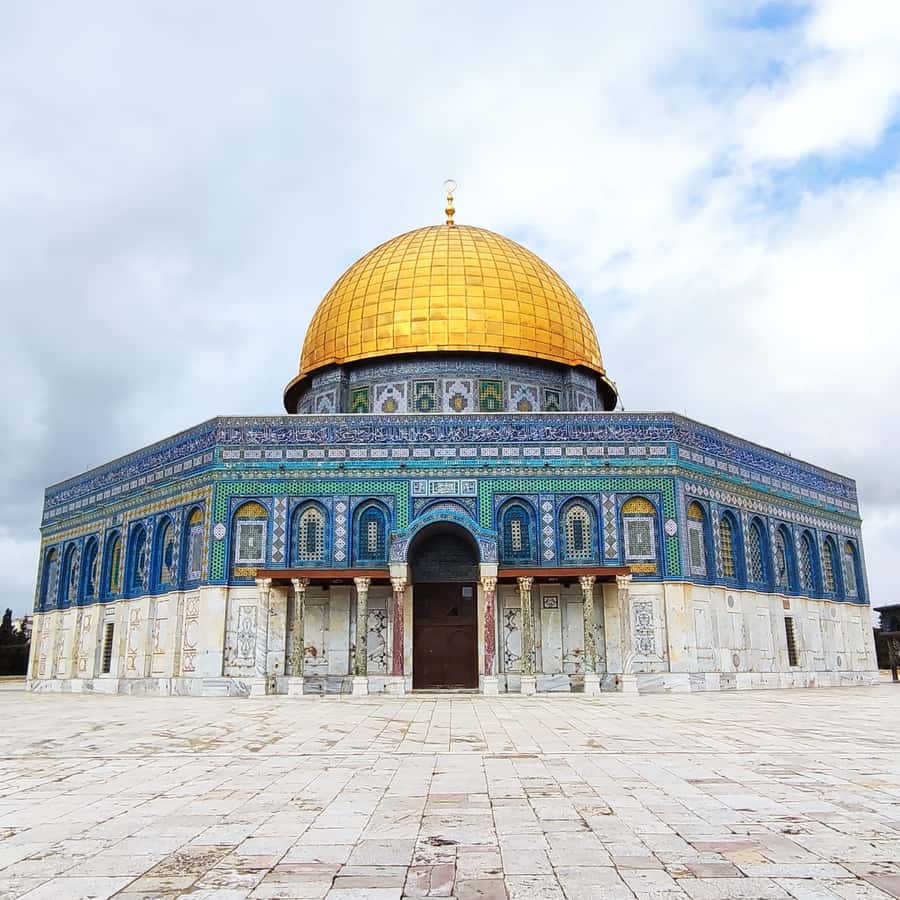
Reviewed · JERUSALEM TOURS
Jerusalem: Tour with Private Guide
Jerusalem’s power comes from its layers. On this private walking tour, you move from the Armenian Quarter to the Jewish Quarter, the Western Wall, the Via Dolorosa, and the Church of the Holy Sepulcher, all within the Old City’s tight stone lanes. The route links places sacred to Judaism, Christianity, and Islam without reducing them to a quick photo stop.
I like the one-to-one format, which lets you ask questions and change the pace. I also like the guides’ willingness to go beyond the standard route. Moshe has taken guests to St. Peter in Gallicantu, underground streets, and lesser-seen sites, while guides such as Alena, Izzat, Hanna, and Izak have adapted tours to personal interests and local conditions.
The main consideration is price: $199 per person is a serious spend for a walking tour, especially for a larger party. The value is strongest for a first visit, a short stay, or anyone who wants a flexible guide rather than a fixed group route.
Key points at a glance
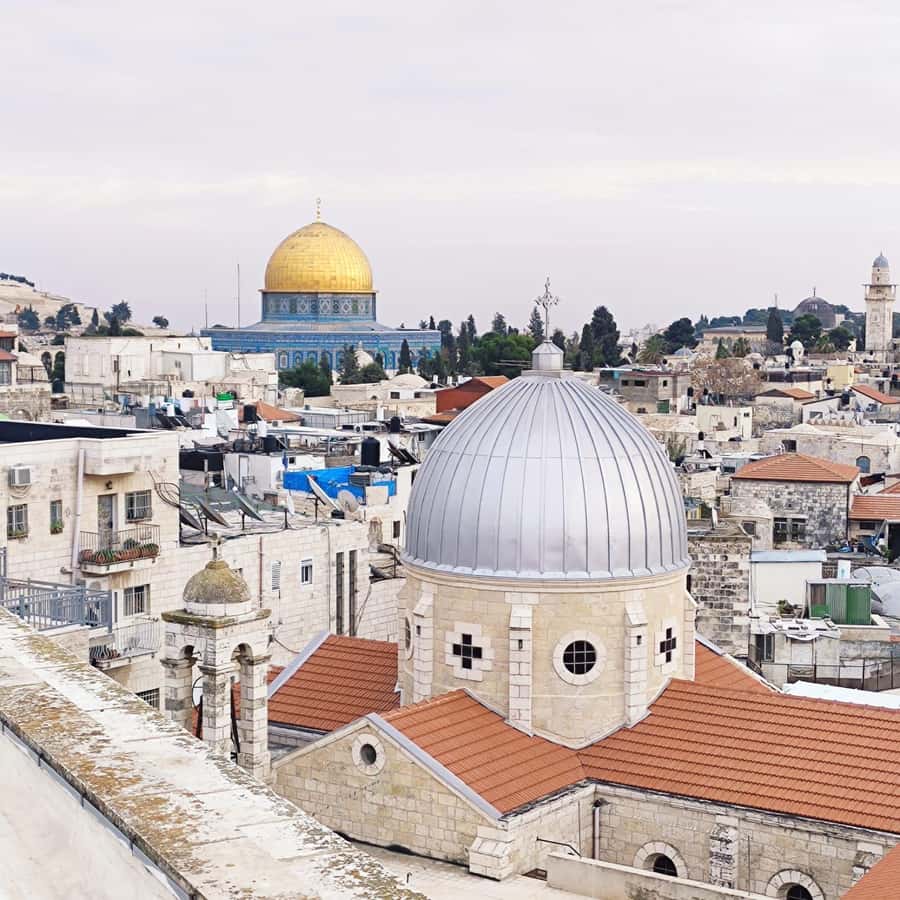
- A private Old City walk: Start on foot from a central Jerusalem hotel or another central meeting point.
- Four historic quarters and landmarks: See the Armenian Quarter, Jewish Quarter, Byzantine Cardo, Western Wall, Via Dolorosa, and Church of the Holy Sepulcher.
- Guides who adjust the route: Moshe, Alena, Izzat, Hanna, and Izak have been praised for tailoring visits and answering detailed questions.
- Prayer at the Western Wall: You may place a written prayer into the wall’s crevices.
- A serious religious itinerary: Modest clothing is required at holy sites, with stricter coverage for arms, legs, and neckline.
- Useful flexibility: Cancel up to 24 hours ahead for a full refund, and reserve now while paying later.
Entering Jerusalem through Zion Gate
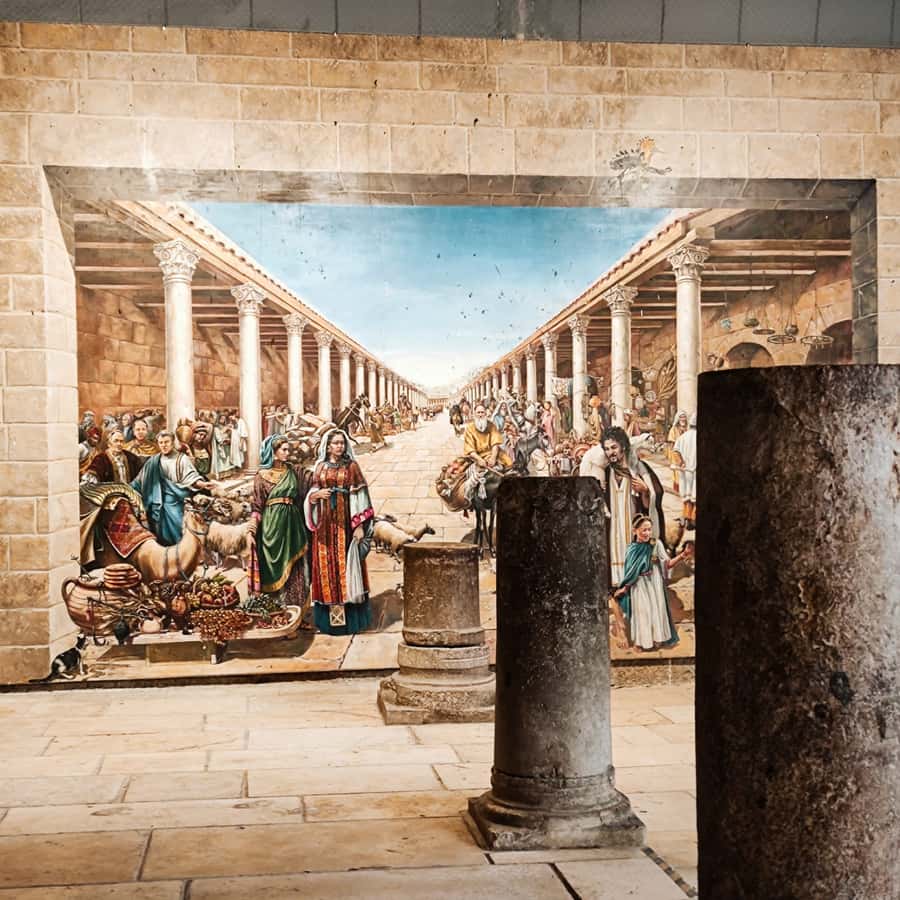
The tour begins with pickup on foot from a centrally located hotel or another central point in Jerusalem. There is no drop-off service, so think of this as a walk that ends near Jaffa Gate, not a hotel-to-hotel excursion.
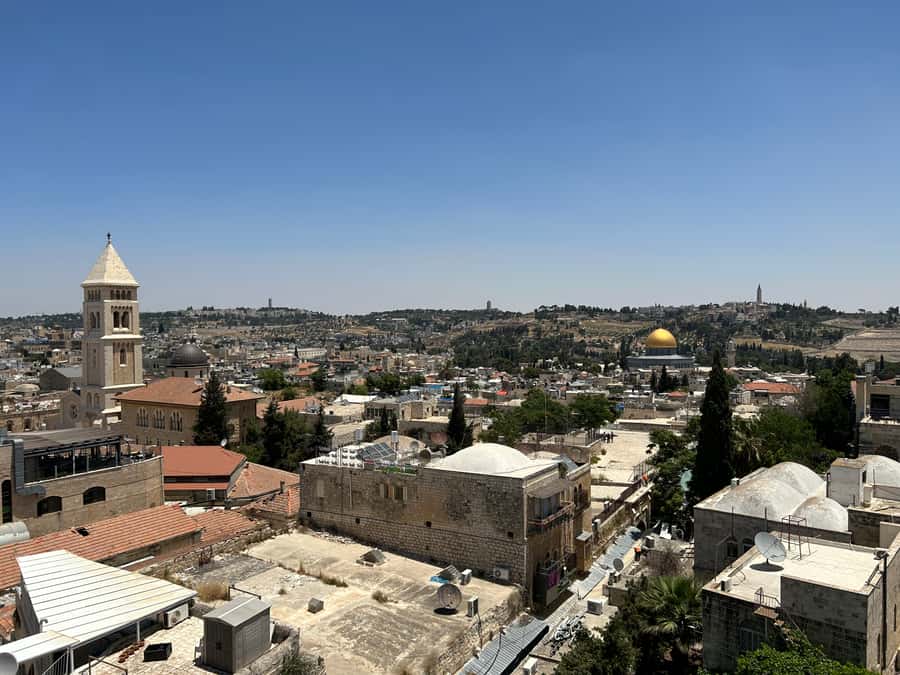
Starting at Zion Gate gives the route a clear sense of place. The gate leads into the Old City near the Armenian Quarter, one of the four traditional quarters. Your guide can explain how Jerusalem’s neighborhoods developed and how religious, cultural, and political boundaries overlap inside a remarkably compact area.
The stone lanes are part of the experience, but they are not always easy walking. Expect uneven paving, stairs or sloping passages, crowds at key sites, and pauses while the guide explains what you are seeing. Comfortable shoes matter more here than stylish ones.
A private guide is especially useful at the start. Jerusalem can feel confusing even when you have a map, and the Old City changes character quickly from quiet lane to market passage to major shrine. A guide helps you keep track of where you are without turning the walk into a simple march from one landmark to the next.
more Jerusalem days to consider
- Private Tour Jerusalem Old City
★ 5.0 · 118 reviews - JERUSALEM private tour with ELAD VAZANA – Life in Israel & Palestine Then & Now
★ 5.0 · 115 reviews - Palestine Revealed: 2-Day Private Tour from Jerusalem
★ 5.0 · 110 reviews
The Armenian Quarter and Jewish Quarter
The Armenian Quarter offers a quieter opening than some of the Old City’s busiest passages. Your guide will introduce the quarter and point out the traces of a long Armenian presence in Jerusalem. The appeal is not just a single monument. It is the chance to see how daily life, religious practice, and old stone buildings share the same small area.
From there, the route continues toward the Jewish Quarter. This section brings the city’s Jewish story into sharper focus and leads to the Byzantine Cardo, an ancient street level that reveals how Jerusalem changed across different eras.
The Cardo is valuable because it helps you picture the Old City as a working urban center, not only a collection of shrines. Columns, paving, and surviving sections of the street connect the present lanes with the city’s Byzantine period. Your guide’s explanation makes the remains easier to read, since much of what matters is architectural context rather than a dramatic object in front of you.
The route can also be adapted. Moshe has been praised for accepting requests to spend longer at preferred sites and for adding places that were not part of the basic plan. If you have already visited Jerusalem, tell your guide early. You may get more from asking for details beyond the familiar stops than from repeating a standard introduction.
The Western Wall and the Temple Mount
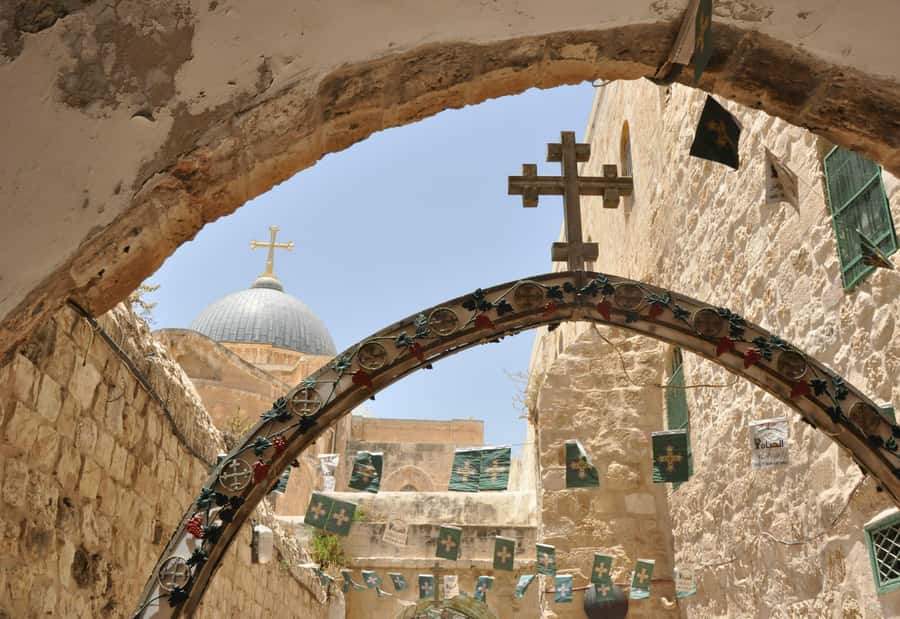
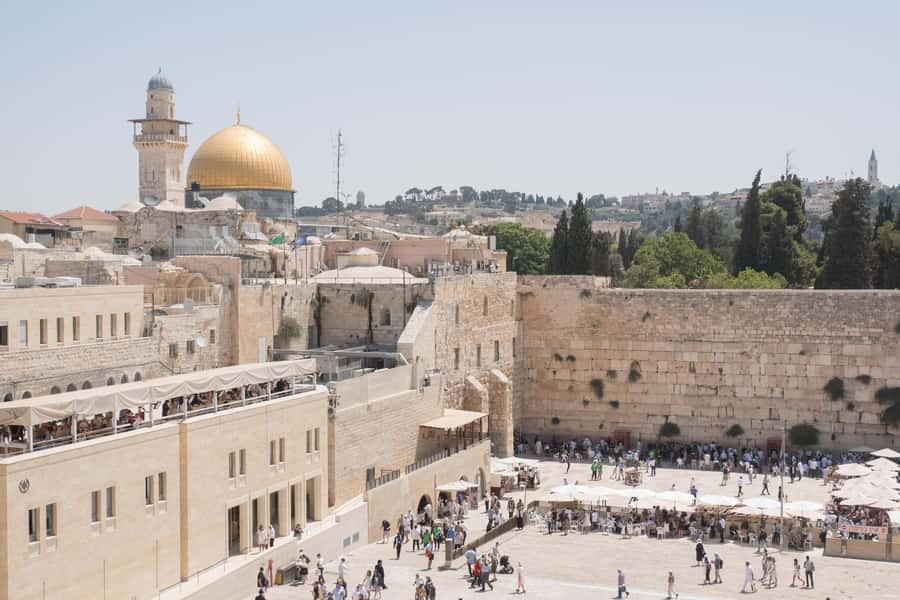
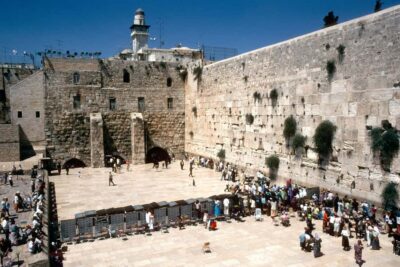
The Western Wall is the emotional center of the Jewish Quarter portion of the walk. It is part of the retaining wall associated with Herod the Great’s expansion of the Temple Mount in 20 BCE. Today, it is a place of prayer, reflection, and pilgrimage.
The tour allows you to place a written prayer into a gap between the stones. That small act can feel more personal than simply taking a photograph. You will also see separate prayer areas for men and women, and your guide can explain the customs that shape the space.
Keep expectations realistic. The Western Wall plaza is open and accessible, but it is also a functioning religious site. People come here to pray, not to perform for tourists. Keep your voice low, follow local instructions, and avoid treating worshippers as part of the scenery.
The tour description connects the wall to the Temple Mount, but this walking experience does not include an advertised visit to the Temple Mount itself. That distinction matters. You are visiting the Western Wall plaza and learning about the wider sacred area, not automatically entering every site above or nearby.
This is one reason a private guide earns part of the fee. The religious and historical context can be difficult to sort out on your own, especially when several traditions attach different meanings to the same hill, wall, and surrounding streets.
Following the Via Dolorosa
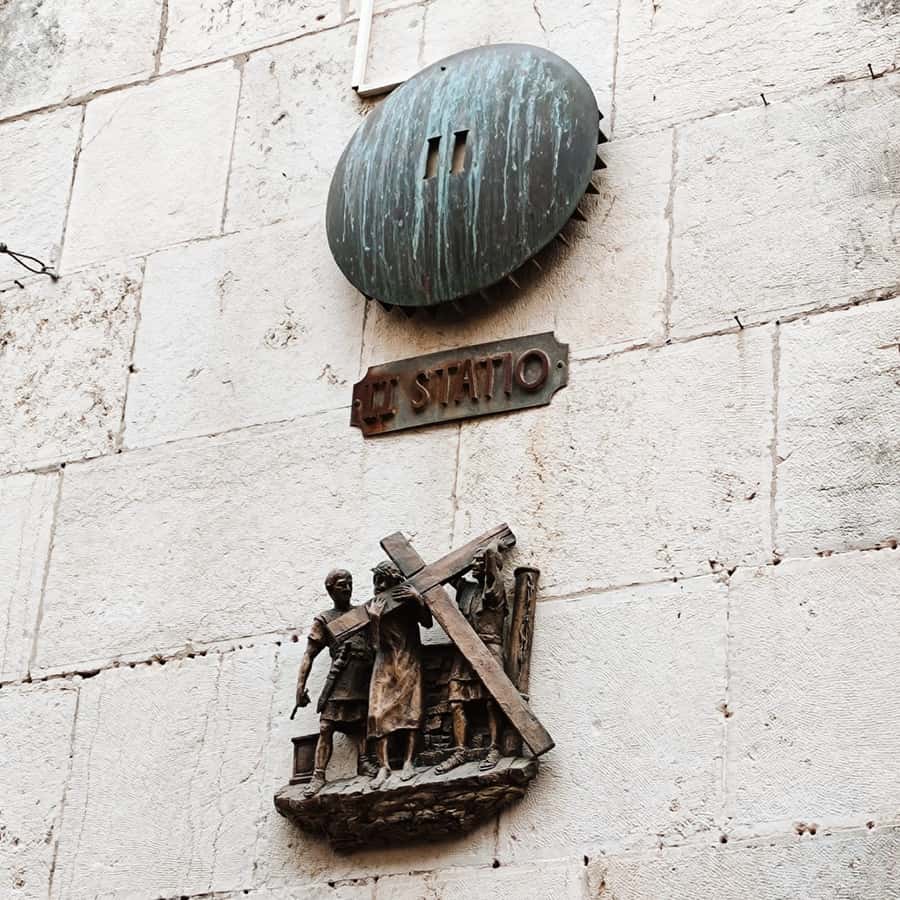
Next comes the Via Dolorosa, or Way of the Cross. The route follows the traditional path associated with Jesus’s condemnation and crucifixion. Pilgrims walk it as an act of devotion, stopping at stations connected with the final events of his life.
The street is not a museum corridor. It passes through the living Old City, with shops, doorways, stone walls, and ordinary daily activity close to places of worship. That mixture is one of Jerusalem’s defining features. You are not stepping into an isolated biblical set. You are walking through a working city where sacred memory and present-day life share the same passage.
A guide helps here by separating tradition, scripture, archaeology, and later Christian practice. The stations have different forms and levels of visibility, and some are easy to miss if you walk alone. You should also expect the route to feel crowded or interrupted at times. That is normal in this part of Jerusalem and can slow the pace.
The private format lets you pause when the route becomes meaningful to you. If you are traveling with someone who wants a strong religious focus, the guide can give more attention to the stations. If you prefer architecture, geography, or the history of the Old City, you can ask for that balance instead.
A different kind of day out of Jerusalem:
- From Jerusalem: Masada & Dead Sea Full Day Tour with Pick Up
★ 4.5 · 815 reviews - Masada and the Dead Sea Day Trip from Jerusalem
★ 4.5 · 757 reviews - From Jerusalem: Nazareth and Sea of Galilee Tour
★ 4.5 · 588 reviews - From Jerusalem: Half-Day Bethlehem Guided Tour
★ 4.7 · 568 reviews
The Church of the Holy Sepulcher
The tour’s final major sight is the Church of the Holy Sepulcher, one of Christianity’s most important churches. It occupies the traditional site of Jesus’s crucifixion, burial, and resurrection.
This is a complex place, not a single open hall with an obvious route. Several Christian communities share responsibility for different parts of the church, and worship, processions, candles, chapels, and queues can shape your visit. Your guide can help you understand what you are seeing and why different areas matter.
The church rewards patience. You might find the interior dark, crowded, or difficult to interpret without background. That is exactly where a private guide can be useful. Rather than rushing through for a single photograph, you can ask about the major spaces and the traditions connected with them.
The tour includes a private tour of the Church of the Holy Sepulcher, but it does not list separate entrance fees. The practical lesson is simple: ask your guide or the operator what, if anything, must be paid on the day. Food and drinks are also excluded.
What makes the private format worthwhile
The strongest part of this experience is not the number of landmarks. It is the ability to shape the day around your interests.
Alena has been praised for building a route around the highlights a group wanted to see. Izzat has gone beyond the formal plan, even offering extra help with Jerusalem and advice for someone preparing to make Aliyah. Moshe has answered detailed questions about history and geography and shown places outside the usual circuit. Hanna has been described as warm and attentive, while Alena and Izak have taken guests slightly off the main path.
These details point to the real advantage of booking private. You can ask for more history, more religious context, more architecture, or more time at a particular site. You can also ask to slow down when the group is tired.
That last point is worth noting because one experience found that the guide did not quite notice when the group was losing energy late in the tour. A private guide is not automatically a perfect pace setter. Speak up. Say when you need water, a rest, or a shorter explanation. The format gives you that option, but you need to use it.
The guides have also dealt with practical disruptions. A Jerusalem Marathon caused road closures during one visit, and the guide changed the plan rather than allowing the problem to ruin the day. Local holidays can also make movement through the Old City harder. Flexibility is a real benefit in Jerusalem.
Price, group size, and value at $199
At $199 per person, this is not a bargain walking tour. For one person or a couple, the cost buys privacy, a guide in your chosen language, hotel pickup on foot, and a route that can respond to your questions.
For three or more people, the value becomes harder to judge because the price is charged per person. One guest made the fair point that adding people does not necessarily triple the guide’s work. If your group is large, compare this with a private group rate or a small-group alternative before booking.
Still, price should be measured against what you need. If you have only one day in Jerusalem, the cost may be worthwhile because the guide can connect the main Christian and Jewish sites in a single walk. If you have several days and enjoy reading maps and background material beforehand, you may prefer to explore some areas independently and hire a guide for a narrower subject.
The highly positive experiences center on the guides rather than on luxury extras. Moshe stayed beyond the planned time to finish the route and even shared bread with za’atar from his own pocket. Another guide helped a visitor order unfamiliar pastries at Mahane Yehuda Market. These are small touches, but they show the kind of personal service that can make a private visit feel worthwhile.
Do not book this expecting transport, a meal, or entry tickets to every possible site. You are paying mainly for the guide’s time, explanations, and local judgment.
Clothing, water, and the practical side of the walk
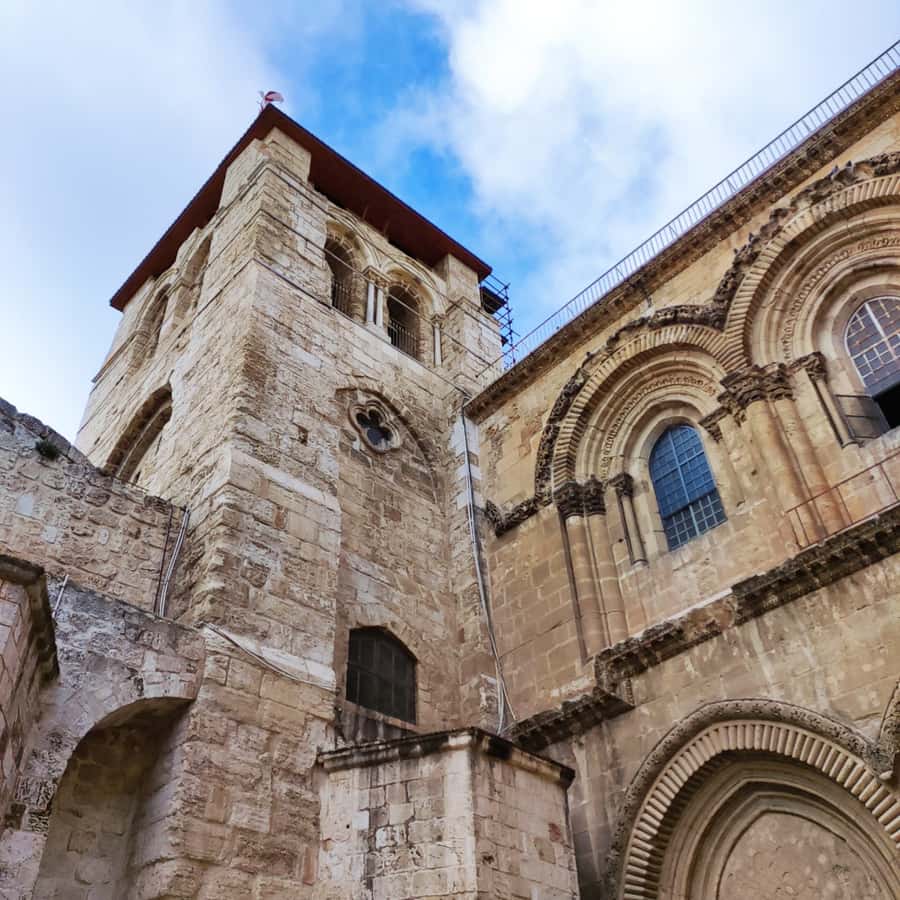
Bring water and wear shoes you can trust on old stone streets. Comfortable clothing will help, but holy sites require more than ordinary sightseeing clothes.
Women must cover their legs to the ankles, arms past the elbows, and the front of the body up to the neckline when entering holy sites. Men must cover their knees and wear a shirt with sleeves. A long-sleeved shirt and long pants are the safest choices for everyone, even if you dress more casually while walking through streets and markets.
Language choice is a useful feature. Guides are available in Arabic, English, French, German, Hebrew, Italian, Russian, Spanish, Chinese, Dutch, Greek, Indonesian, Portuguese, Romanian, and Swedish. Select carefully at booking, since the quality of a history and religion-focused walk depends heavily on clear communication.
The tour ends near Jaffa Gate. That is a practical finish because you can continue exploring, find food, or make your own way back through the modern city. Since there is no drop-off, plan your return before the walk begins, particularly if you are tired or staying outside central Jerusalem.
You can reserve and pay later, which helps if your plans are still changing. Cancellation is allowed up to 24 hours before the tour for a full refund. Those policies do not change the experience itself, but they reduce some of the risk involved in booking a costly private outing.
Who should book this Jerusalem tour?
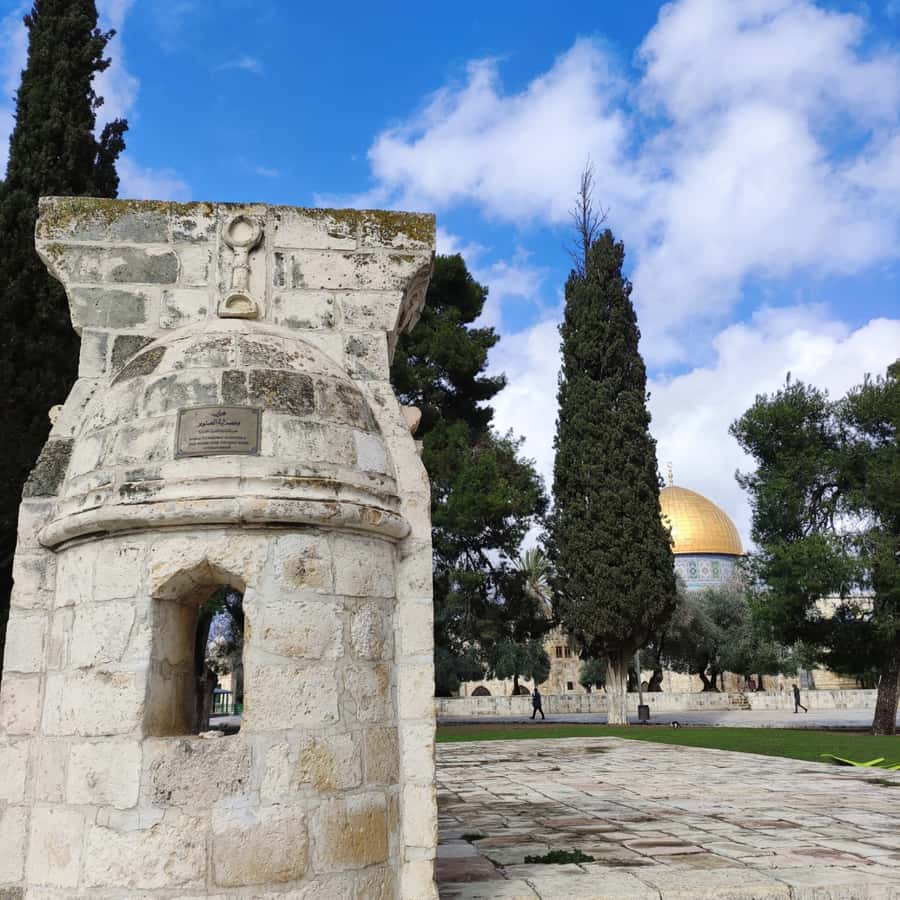
I would choose this tour for a first visit to Jerusalem, especially if you want the major Old City sites explained in one continuous walk. It also suits visitors with strong religious interests, families or couples who want to set their own pace, and repeat visitors who can tell the guide which famous places they have already seen.
It is a good match for curious travelers who ask many questions. The guides have handled history, geography, local customs, food, settlement advice, and route changes. That range can turn a simple sightseeing walk into a useful introduction to Jerusalem.
I would think twice if you dislike walking, need a fully structured transport-based outing, or are mainly looking for food and shopping. The route is focused on the Old City’s religious and historic sites, and walking conditions can be tiring.
Should you book it?
Book this private tour if you value a flexible route and a guide who can explain the Western Wall, Via Dolorosa, and Church of the Holy Sepulcher in context. The strongest value comes from the personal attention and the chance to add places such as St. Peter in Gallicantu, underground streets, or market stops when time and interest allow.
At $199 per person, I would book it for one or two people, or for a group that places a high value on privacy. Larger groups should compare the total cost carefully. Dress modestly, wear good shoes, bring water, and tell the guide at the start what matters most to you. That is how you get the best return from this very personal walk through Jerusalem.
FAQ
Where does the Jerusalem private tour begin?
Pickup is provided on foot from a centrally located hotel or another central point in Jerusalem.
Where does the tour finish?
The tour ends near Jaffa Gate. Drop-off service is not included.
Which Jerusalem sites are included?
The route includes the Armenian Quarter, Jewish Quarter, Byzantine Cardo, Western Wall, Via Dolorosa, and Church of the Holy Sepulcher.
Does the tour include the Church of the Holy Sepulcher?
Yes. A private tour of the Church of the Holy Sepulcher is included.
Can I put a written prayer in the Western Wall?
Yes. The experience includes the opportunity to insert a written prayer into a gap in the Western Wall.
What languages are available?
Guides are available in Arabic, English, French, German, Hebrew, Italian, Russian, Spanish, Chinese, Dutch, Greek, Indonesian, Portuguese, Romanian, and Swedish.
What should I wear?
Wear comfortable clothes, a long-sleeved shirt, and long pants. Women must cover their legs to the ankles, arms past the elbows, and front up to the neckline at holy sites. Men must cover their knees and wear a shirt with sleeves.
Are food, drinks, and entrance fees included?
Food and drinks are not included. Entrance fees are also not included.
Can I cancel the tour?
You can cancel up to 24 hours in advance for a full refund. You can also reserve and pay later.
Recently added around Jerusalem
- Holy Jerusalem Full Day Tour from Jerusalem★ 5.0 · 3 reviews
- Half day tour bethlehem prices per Van up to 6 pax★ 5.0 · 3 reviews
- jerusalem classic tour★ 5.0 · 3 reviews
- Private Walking Tour in Jerusalem’s Old City★ 5.0 · 3 reviews
- Private Tour to the Culinary World of Jerusalem Market★ 5.0 · 3 reviews
- From Jerusalem: Masada Sunrise, Ein Gedi & Dead Sea★ 5.0 · 3 reviews
- Private Tour Bethlehem and the Dead Sea★ 5.0 · 3 reviews
- Jerusalem Like a Local: Customized Private Tour★ 5.0 · 3 reviews
Jerusalem Tours, compared.

From Jerusalem: Masada & Dead Sea Full Day Tour with Pick Up
Read our review →
From Jerusalem: Nazareth and Sea of Galilee Tour
Read our review →

From Jerusalem/Tel Aviv: Bethlehem and Dead Sea Day Tour
Read our review →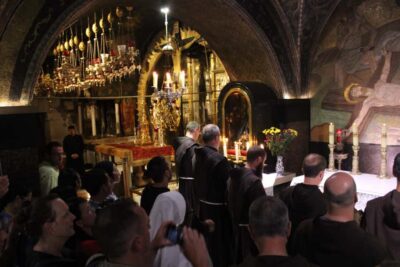
Masada, Ein Gedi and The Dead Sea from Jerusalem
Read our review →Browse the lists this tour appears in