
Reviewed · JERUSALEM TOURS
Jerusalem: Best of Jerusalem Day Tour
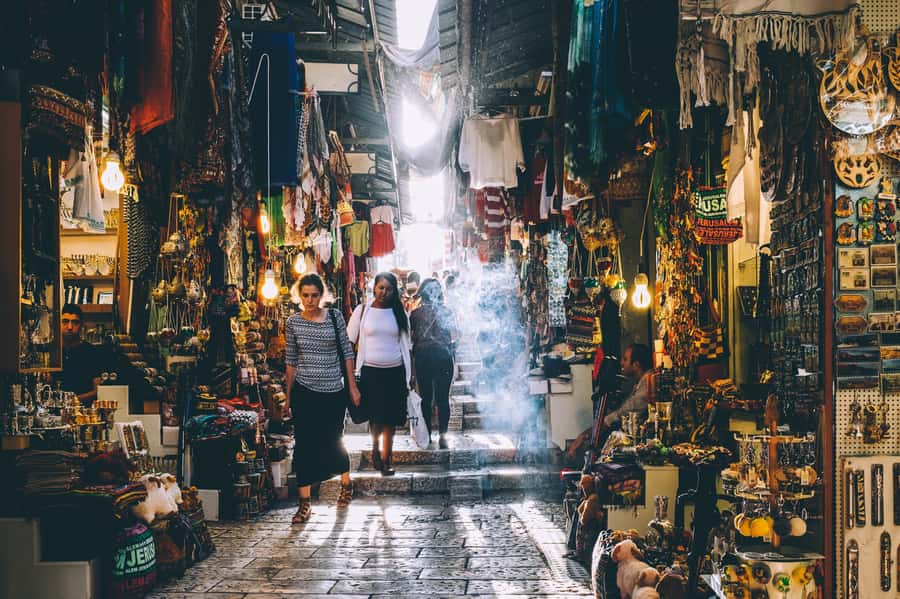
Jerusalem packs several thousand years of stories into a walkable, demanding day. This tour takes you from the Western Wall and Via Dolorosa to Jaffa Street, Nahlaot, and Mahane Yehuda Market, giving you a useful first look at both the ancient and modern city.
I like the clear contrast between the Old City and today’s Jerusalem, and I like having a local guide explain why the same streets matter to Jewish, Christian, and Muslim communities. The orange Tourist Israel sign at the David Citadel Hotel also makes the meeting point easy to spot.
The tradeoff is pace. You may walk close to 10 kilometers, climb many stairs, and spend only a short time at some holy sites. This is a sightseeing tour, not a slow pilgrimage or a deep visit inside every church.
Key points at a glance
- Three sides of Jerusalem in one day: See the Old City, modern Jaffa Street, the Nahlaot neighborhood, and Mahane Yehuda Market.
- Major Christian and Jewish sites: Visit the Western Wall, Via Dolorosa, and Church of the Holy Sepulchre.
- A serious walking day: Expect hills, stone lanes, stairs, and roughly 10 kilometers on foot.
- English-speaking local guidance: Gavri is one guide named in connection with the experience, while the assigned guide carries an orange Tourist Israel sign.
- Market time is built in: You have room for food, browsing, and bargaining at Mahane Yehuda when it is open.
- Saturday changes the route: With the market closed, the day shifts to places such as Sultan Pool, Mishkenot Sha’ananim, the Old Windmill, the YMCA, and the Russian Compound.
Starting at the David Citadel Hotel
The tour begins in front of the David Citadel Hotel. Look for the guide holding an orange sign marked Tourist Israel. That detail matters in central Jerusalem, where hotel entrances, taxis, tour vans, and pedestrians can make a meeting point feel less obvious than it sounds.
The experience is listed as a 10-hour day, though the exact starting time depends on availability. Check the departure details carefully before booking, especially if you have evening plans. One account associated with the tour described a much earlier finish, so I would confirm the expected end time rather than treating the full-day label as a precise schedule.
The first useful feature is that you do not waste the morning on a long introduction outside the main sights. You head toward the Old City and enter through Jaffa Gate, a practical starting point for getting your bearings.
Other Jerusalem days travellers combine with this one:
- From Jerusalem: Masada & Dead Sea Full Day Tour with Pick Up
★ 4.5 · 815 reviews - Masada and the Dead Sea Day Trip from Jerusalem
★ 4.5 · 757 reviews - From Jerusalem: Nazareth and Sea of Galilee Tour
★ 4.5 · 588 reviews
Jaffa Gate and the Old City quarters
Jaffa Gate leads directly into the Old City, where the modern road gives way to narrow stone lanes and a dense mix of shops, homes, religious buildings, and historic walls. Your guide explains the different gates and quarters, which helps you understand the layout instead of simply following a crowd through alleys.
The Old City is divided into Jewish, Christian, Muslim, and Armenian quarters. The boundaries are not always obvious on the ground, and the lanes can seem tangled at first. A guide is especially useful here because the meaning of a doorway, stairway, or small courtyard can be easy to miss when you are focused on not getting lost.
The three-hour Old City portion is the heart of the day. You will walk rather than view Jerusalem from a bus window, so wear shoes with solid support. Stone paving can be uneven, and the route includes several sets of stairs.
The Western Wall and the limits of a quick visit
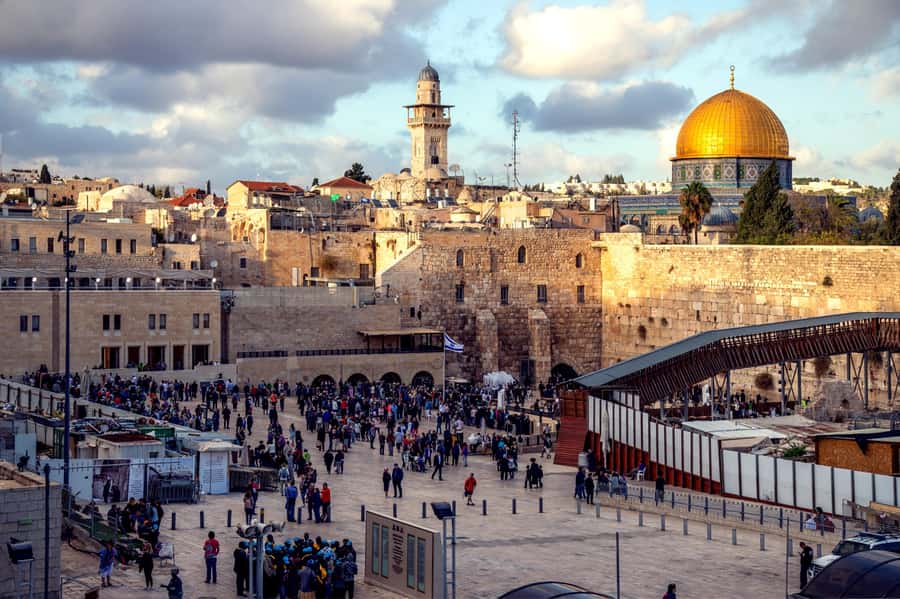
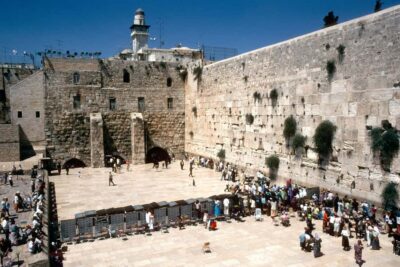
The Western Wall is one of Jerusalem’s most important Jewish sites. It is a place of prayer, but also a working public space where daily life continues around the worshippers. Your guide can provide context about the wall and the Old City’s Jewish quarter before moving the group onward.
A small personal touch may be included here. One guide, Tour Guy, was praised for explaining the Old City gates, helping place written notes in the Western Wall, and taking photos with visitors’ own cameras. Those details are not the main reason to book, but they show the kind of practical help that can make a first visit easier.
Dress modestly for this part of the route and for the other holy sites. Your knees and shoulders should be covered. This is not the day for beachwear, even if Jerusalem is hot.
Via Dolorosa and the Church of the Holy Sepulchre
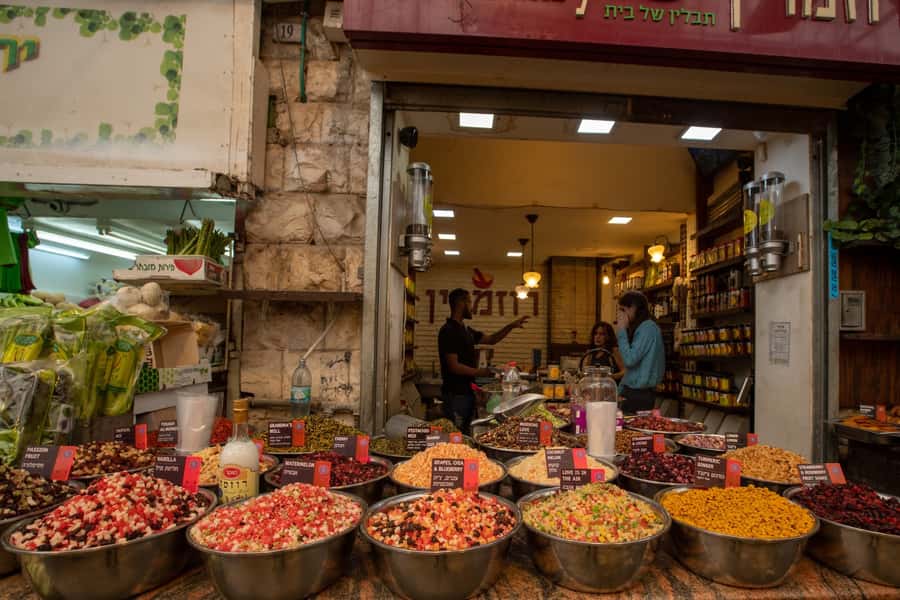
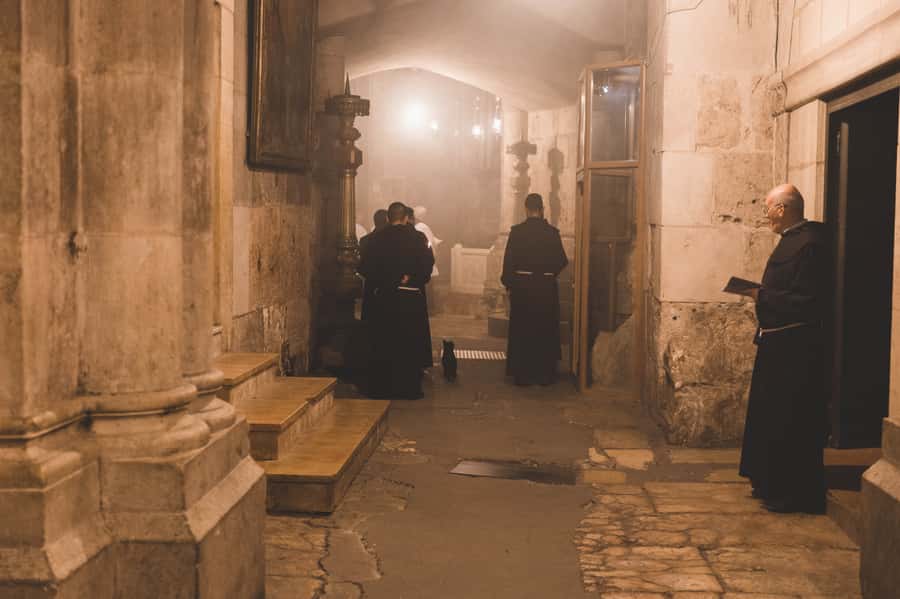
The Via Dolorosa passes through the Old City’s Christian quarter. It is associated with the final path of Jesus, and its religious meaning is central to Christian pilgrimage. The route is woven into ordinary city life, with shops and narrow lanes close to places of prayer.
The Church of the Holy Sepulchre is the key Christian stop. It is associated with the crucifixion and resurrection of Jesus and is important to several Christian traditions. Inside, the experience can be crowded and emotionally intense, even when your visit is brief.
Here is the main caution for pilgrims: the tour does not promise time to stand in every line or enter every chapel. A guide may point out the important areas and explain their significance, but you may only skim the site. If your priority is prayer, attending a service, or waiting to enter the tomb area, plan a separate visit on your own.
That limitation is not necessarily a flaw for every person. If you are new to Jerusalem and want a clear orientation, a quick guided introduction can be valuable. If you have come mainly for religious observance, the schedule will feel too tight.
A different kind of day out of Jerusalem:
- From Jerusalem: Half-Day Bethlehem Guided Tour
★ 4.7 · 568 reviews - Jerusalem/Tel Aviv: Bethlehem, Jericho and Jordan River Tour
★ 4.6 · 526 reviews - From Jerusalem/Tel Aviv: Bethlehem and Dead Sea Day Tour
★ 4.7 · 484 reviews - Nazareth and the Sea of Galilee Day Trip from Jerusalem
★ 4.5 · 446 reviews
From Tzahal Square into modern Jerusalem
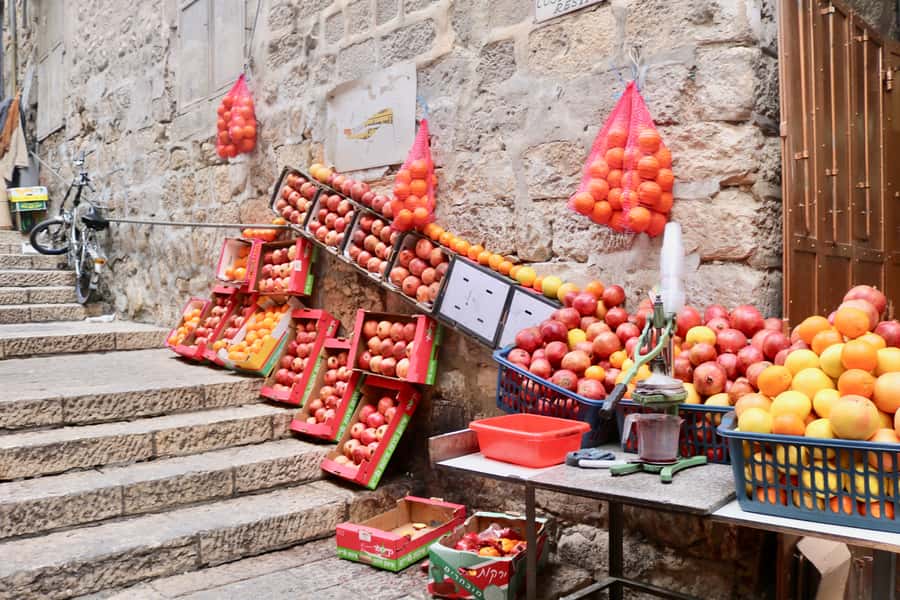
After the Old City, the route shifts to modern Jerusalem. The change is striking. You move from enclosed stone lanes and ancient walls to broader streets, civic buildings, shops, and the city’s contemporary rhythm.
The walk from Tzahal Square toward the Municipality Complex gives you a sense of how Jerusalem functions beyond its famous religious core. You are not just collecting sacred sites. You are seeing a capital city with offices, public spaces, traffic, and neighborhoods where people live ordinary lives.
This section helps balance the day. Many Jerusalem tours stay inside the Old City and leave you with a narrow picture of the city. Here, the guide connects the old center to the newer streets, which is helpful if you are deciding where to spend more time later in your trip.
Jaffa Street and Nahlaot
Jaffa Street provides another change of pace. It links central parts of Jerusalem and gives the tour a more open urban setting after the tight lanes of the Old City. You will walk rather than pause at a long list of formal attractions, so this portion works best when you enjoy seeing a city through its streets.
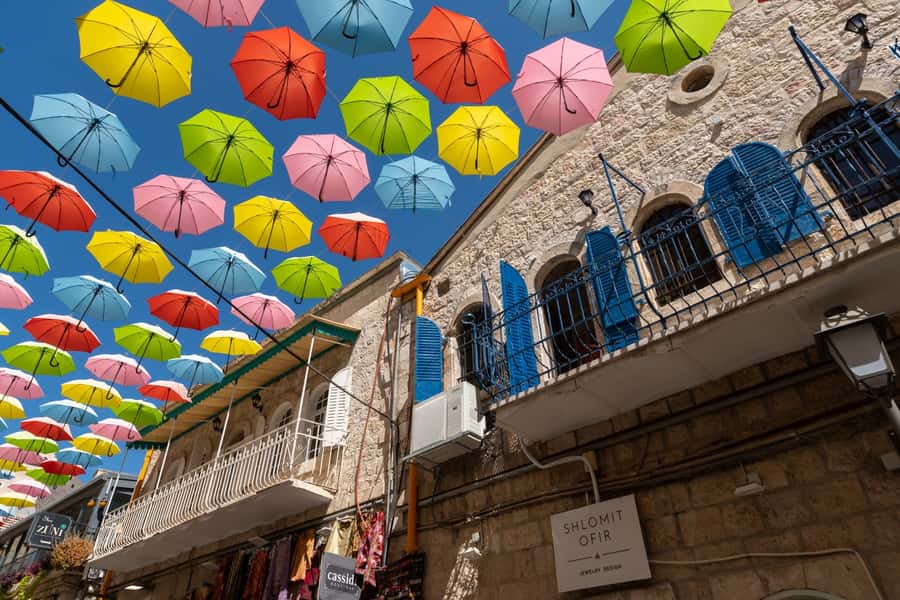
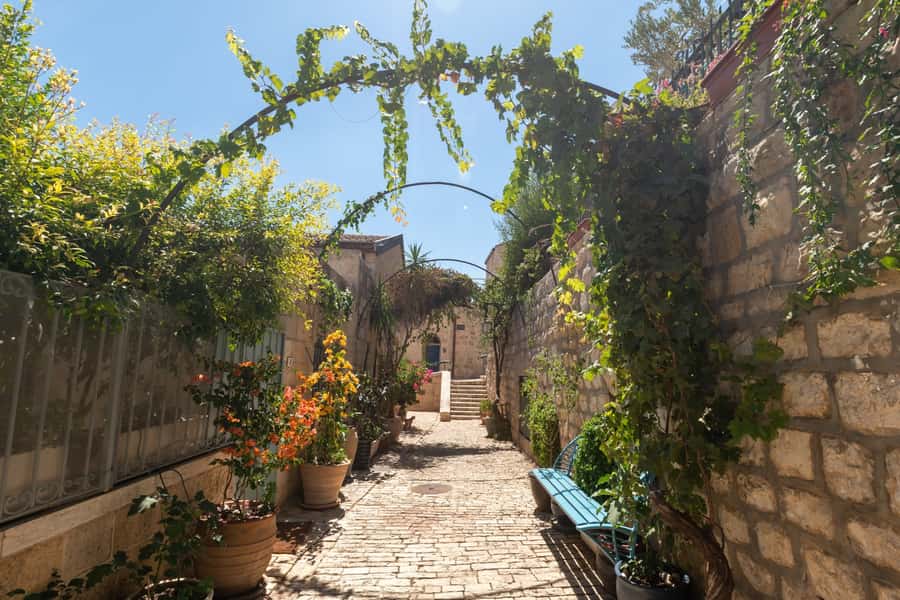
The route then pauses in Nahlaot. This neighborhood offers a more residential view of Jerusalem, with small lanes and a quieter feel than the main commercial streets. The value here is atmosphere and contrast. You get a glimpse of local neighborhood life before reaching the market.
I like this middle section because it prevents the tour from becoming a string of religious landmarks. It also gives your guide room to explain how Jerusalem developed beyond the walls. Still, four hours of guided walking through the modern city can feel long if your main goal is the Old City.
Mahane Yehuda Market for food and bargaining
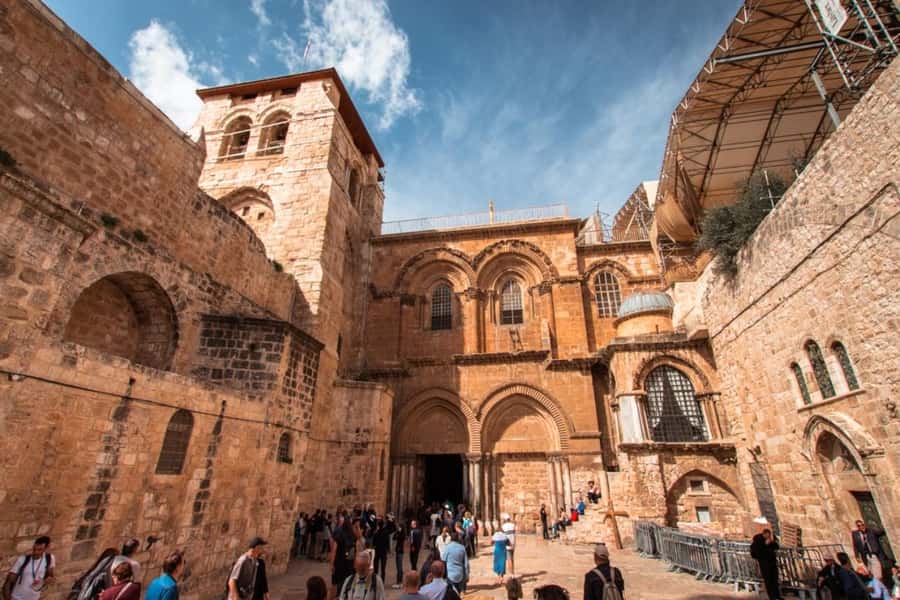
Mahane Yehuda Market is the final major stop and one of the day’s most enjoyable changes in mood. The market is a place to browse food stalls, look at local products, and pause after hours on foot. Meals and drinks are not included, so bring money for anything you want to taste or buy.
You should have enough time here for a practical meal, snacks, and shopping rather than a hurried five-minute stop. Bargaining can be part of the fun, though you should follow the seller’s lead and keep it good-natured.
The market also gives the tour a stronger connection to present-day Jerusalem. After hearing about ancient walls and sacred events, you end among food, commerce, and everyday conversation. That mix is one of the best reasons to choose this route.
Mahane Yehuda is closed on Saturdays, during Shabbat, and on some holidays. On those days, the route changes to the Sultan Pool, Mishkenot Sha’ananim, the Old Windmill, the YMCA, and the Russian Compound. This is not a lesser day, but it is a different experience. If the market is a priority, check the day of operation before you reserve.
How the pace affects your day
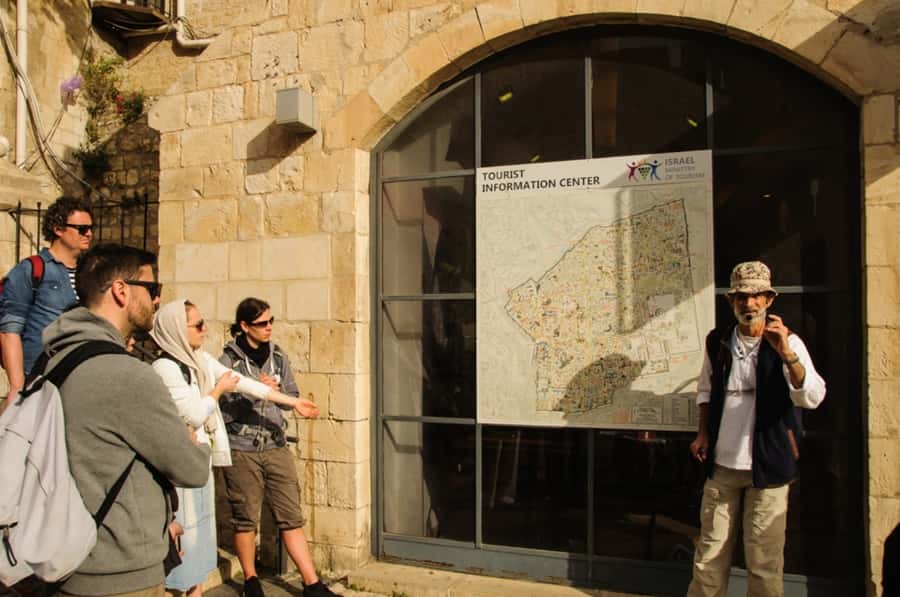
The advertised route includes about three hours in the Old City, four hours walking through Jerusalem, and two hours at Mahane Yehuda. Add meeting, transitions, and breaks, and the day is listed at 10 hours.
That schedule covers a lot. You see the main Old City landmarks, cross into modern Jerusalem, visit a neighborhood, and finish at the market. The benefit is range. You can learn how the parts fit together in one day instead of spending your entire visit inside the Old City.
The cost is depth. You will not have unlimited time at the Western Wall, the Church of the Holy Sepulchre, or every point along the Via Dolorosa. The route is better for orientation and broad sightseeing than for extended worship or careful photography.
One German-language account associated with the tour described nearly 10 kilometers of walking, with repeated uphill and downhill sections. Take that seriously. Even fit walkers may want water, sun protection, and a light bag. There are breaks at the market, but the day is not designed as a low-effort city tour.
What the $69 price really covers
At $69 per person, the tour offers a strong value if you want one guide to connect a large number of places. You are paying mainly for the route planning and the guide’s interpretation, not for meals, drinks, insurance, or guaranteed entry into every religious site.
The price is especially sensible for a first day in Jerusalem. You get the Old City, major sacred landmarks, central modern streets, Nahlaot, and Mahane Yehuda without arranging several separate walks. An English-speaking guide can also help you understand the city’s religious and political layers while you are still learning the map.
The value is weaker if you only want a pilgrimage visit. In that case, you may prefer a shorter Old City tour with more time inside the Church of the Holy Sepulchre and at other prayer sites. You could also spend less on a self-guided walk if you are comfortable navigating the quarters and reading the history on your own.
There is no stated group size, so do not assume a private tour. The guide may be able to help with photos and small requests, but the exact level of individual attention depends on the group.
Clothing, mobility, and practical preparation
Modest clothing is required at the holy sites. Wear something that covers your shoulders and knees. A light layer is useful because you move between open streets, shaded lanes, and religious interiors.
This tour is not suitable for wheelchair users, and it is a poor fit if stairs are difficult for you. The Old City route includes climbs and descents, while the wider city walk adds distance rather than reducing the effort.
I would prepare with:
- Comfortable walking shoes with good grip
- Water and sun protection
- Modest clothing from the start
- Small cash or a payment method for food and purchases
- A light bag that will not burden you on stairs
Personal travel insurance is not included. Free cancellation is available up to 24 hours before departure, and you can reserve now and pay later, which helps if your plans are still shifting.
Who will enjoy this Jerusalem day tour?
I would choose this experience if you have one day for Jerusalem and want a broad introduction. It suits first-time visitors who want the major landmarks, a modern city walk, and time at the market without planning each part themselves.
It also suits people who enjoy walking and learning through movement. The guide-led format gives you historical context while you are actually in the streets connected to the story.
I would not choose it for a slow, contemplative visit. If you want to pray at length, wait in lines, enter every possible chapel, or linger at each landmark, the schedule will frustrate you. I would also avoid it if hills, stairs, or long walks are a problem.
The named guide Gavri is associated with an engaging, story-focused style, and the practical help described from Tour Guy, such as photos and notes at the Western Wall, can make the day feel personal. Still, guides vary, and the booking information guarantees an English-speaking guide rather than a specific person.
Should you book it?
Book this tour if you want maximum coverage in one day and are ready for a long walk. The strongest feature is the mix: ancient quarters and holy sites in the morning, modern Jerusalem and Nahlaot later, then food and shopping at Mahane Yehuda.
Skip it if your main purpose is pilgrimage or quiet time inside the Church of the Holy Sepulchre. For that, use this tour only as an introduction and set aside another visit for the sites that matter most to you.
At $69, it is a fair and useful way to get oriented, provided you understand the pace. Wear proper clothing, bring water, confirm the day’s timing, and treat the market stop as part of the experience rather than an optional extra.
FAQ
Where does the Jerusalem day tour meet?
Meet in front of the David Citadel Hotel. The guide will hold an orange sign marked Tourist Israel.
How long does the tour last?
The experience is listed as 10 hours. Starting times vary, so check availability and confirm the expected schedule before booking.
What language is the tour offered in?
The live tour guide speaks English.
Is Mahane Yehuda Market included every day?
The market is included when it is open. On Saturdays, Shabbat, and some holidays, the route changes to stops including Sultan Pool, Mishkenot Sha’ananim, the Old Windmill, the YMCA, and the Russian Compound.
What should I wear to the holy sites?
Wear modest clothing that covers your knees and shoulders. This dress standard applies when visiting the Old City’s holy sites.
Is the tour suitable for people with limited mobility?
No. The tour includes substantial walking, hills, and several sets of stairs, and it is not suitable for wheelchair users.
Recently added around Jerusalem
- Holy Jerusalem Full Day Tour from Jerusalem★ 5.0 · 3 reviews
- Half day tour bethlehem prices per Van up to 6 pax★ 5.0 · 3 reviews
- jerusalem classic tour★ 5.0 · 3 reviews
- Private Walking Tour in Jerusalem’s Old City★ 5.0 · 3 reviews
- Private Tour to the Culinary World of Jerusalem Market★ 5.0 · 3 reviews
- From Jerusalem: Masada Sunrise, Ein Gedi & Dead Sea★ 5.0 · 3 reviews
- Private Tour Bethlehem and the Dead Sea★ 5.0 · 3 reviews
- Jerusalem Like a Local: Customized Private Tour★ 5.0 · 3 reviews
Jerusalem Tours, compared.

From Jerusalem: Masada & Dead Sea Full Day Tour with Pick Up
Read our review →
From Jerusalem: Nazareth and Sea of Galilee Tour
Read our review →

From Jerusalem/Tel Aviv: Bethlehem and Dead Sea Day Tour
Read our review →
Masada, Ein Gedi and The Dead Sea from Jerusalem
Read our review →Browse the lists this tour appears in